What matters when buying?
Start with the available projector-to-screen distance; then weigh motion handling, room light and everyday connections against the way you will watch.
| Concern |
Buying checks |
Who this matters to |
| Fast-moving footage |
Look for documented video-motion features and confirm that the HDMI connection supports your intended viewing device. |
If I mainly want to follow quick footwork and camera cuts, I put clear video movement ahead of gaming claims; around 36% of consumers put motion and source handling first. |
| Room lighting |
Check the brightness unit, planned image size and whether you can control daylight or lamps. |
When I watch with some room lights on, I need to plan for the image in those conditions; roughly 29% of consumers make ambient-light viewing their primary concern. |
| Physical placement |
Measure the target image width and lens-to-screen distance against the exact model’s throw information. |
If furniture leaves little projection distance, I need a layout that physically fits; around 21% of consumers prioritise placement above the other concerns. |
| Everyday setup |
Check streaming compatibility, audio connections and the light-source type for the model you plan to use. |
I would rather manage fewer devices and know what upkeep to expect; about 14% of consumers put streaming, sound and maintenance convenience first. |
Projectors to consider on Joybuy
These projector listings offer different approaches to connecting a viewing source and positioning an image. Check the intended screen size, room light and dance-broadcast source against the individual model before choosing.
 No image available
Magcubic HY350Max smart projector
Consider this model if you want an HDMI-connected viewing source and adjustable projection direction; confirm that your intended image size fits its position. Its title states native 1080p, 900 ANSI lumens, Android 14, 180° rotation and automatic keystone correction. Check compatibility with your source device and any motion-processing requirement before buying.
View on Joybuy
 No image available
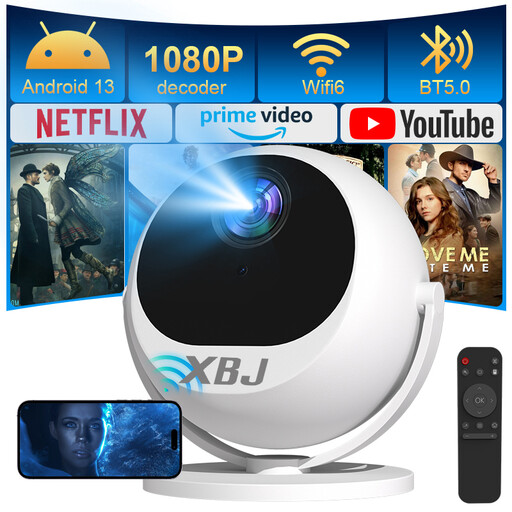
XBJ 360° portable projector, European version
The rotating design may suit a room where you need to aim the image at different surfaces, provided the required lens-to-screen distance works. The title states Full HD 1080p, 500 lumens, an image size of up to 120 inches and HDMI connectivity. Confirm source compatibility and the placement needed for your target image size.
View on Joybuy
 No image available
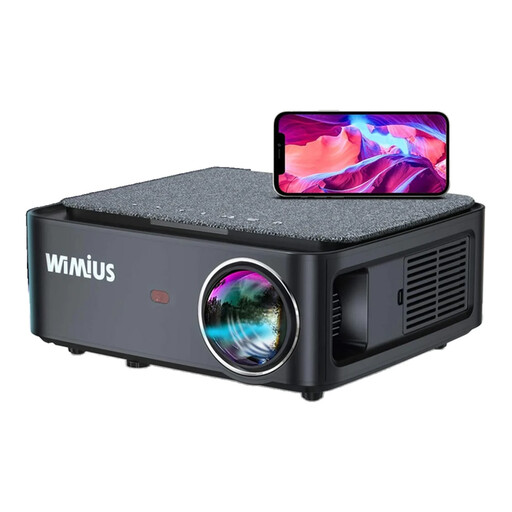
Wimius K1 Full HD 1080p projector
This is an option to assess if image adjustment and an external viewing device matter to your setup. The title states 1,200 ANSI lumens, 4K support and vertical and horizontal keystone correction. Check the distance required for your chosen image size, source compatibility and any fast-motion features you need.
View on Joybuy
 No image available
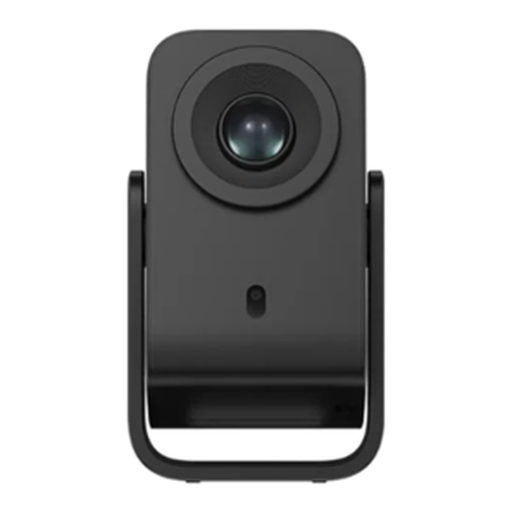
TCL C1 smart projector, grey
Consider the C1 if a portable smart-projector format suits your viewing arrangement, but check the planned screen size and room lighting before choosing it. Its title states 1080p Full HD and 4K support. Confirm access to your intended broadcast source, placement distance and any fast-motion requirements for this model.
View on Joybuy
Common questions
Do I need a gaming projector for dance competitions?
No: gaming input lag is not a substitute for checking video-motion features, room brightness and your viewing-source connection. Epson lists frame interpolation for fast-moving images on the EH-TW7100, while gaming-oriented figures on other models address a different use.
How can I tell whether a projector will fit my room?
Measure the image width you want and the lens-to-screen distance you can provide, then consult the exact model’s throw information. ViewSonic lists a 1.5–1.65 throw ratio for the PX701-4K, BenQ lists 0.9–1.08 for the TK700ST, and Epson describes the EH-LS650B as ultra-short throw; each calls for a different placement check.
Can I compare projector brightness numbers directly?
Only when the stated measures are comparable and your viewing conditions are taken into account. ViewSonic and BenQ give ANSI-lumen figures for the PX701-4K and TK700ST, whereas ViewSonic labels the X1-4K figure in LED lumens; a larger number under a different label does not establish which image will look brighter in your room.
What should I check when buying and eventually disposing of a projector?
For equipment supplied in Great Britain, check the seller’s product and safety information. The Office for Product Safety and Standards says the Electrical Equipment (Safety) Regulations 2016 set requirements before electrical equipment is placed on the GB market; government WEEE guidance also addresses reducing electrical-equipment waste sent to landfill or incineration, so ask about an appropriate recycling route when the projector reaches the end of its use.


