
24/7 Customer Support

Free returns

Same-day & Next-day Delivery

Quality Guaranteed

Unlock Your Welcome Offers: FREE Delivery | Up to 80% OFF | Free 30-day JoyPlus trial
Download the APP
From tending the garden to handling a hot baking tray, the right pair of protective gloves is a small but essential part of daily life in any UK household. Yet, finding a pair that lasts and performs as promised can be frustrating. Many gloves fail to live up to their claims, leaving you with soggy hands, a poor grip, or worse, inadequate protection.
As a Joybuy Product Recommendation Officer, my role is to help you navigate the market and identify what truly matters. Before you make your next purchase, let's look at the common pitfalls that lead to disappointment and wasted money.
Many products look the part on the shelf but fail quickly in practice. Here are two frequent issues to watch out for:
To avoid these traps, focus on a few key parameters that define a glove's real-world performance.
The ideal material depends entirely on the job at hand.
A glove is useless if it compromises your ability to hold things securely.
Based on these practical criteria, here are a few options matched to specific user needs.
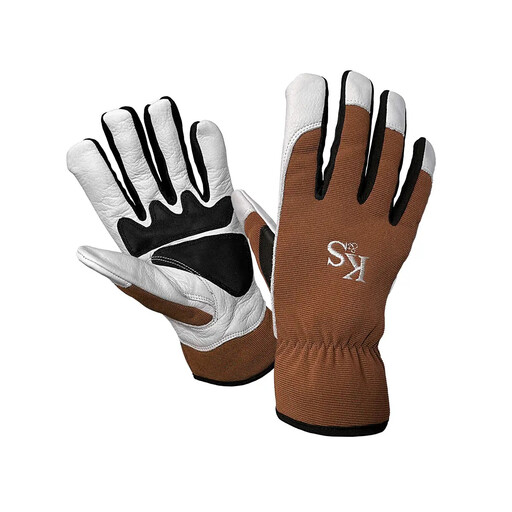
Why This Fits Their Persona: For the keen UK gardener who spends hours pruning, planting and weeding, this glove offers a balance of toughness and comfort. It's built for varied tasks, from handling thorny roses to delicate potting.
It sidesteps the "one-material" myth by combining a durable leather palm for protection with a breathable fabric back for comfort. The elasticated wrist provides a snug fit, preventing soil from getting inside.
The premium leather palm offers excellent grip and abrasion resistance, while the ergonomic shaping reduces hand strain during long gardening sessions.
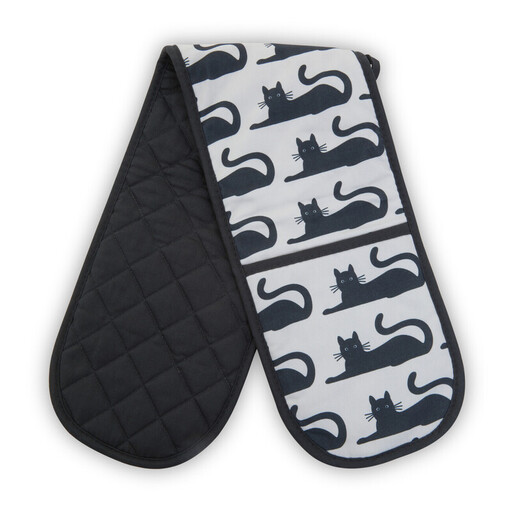
Why This Fits Their Persona: Ideal for the home baker or cook who frequently handles large roasting tins, casserole dishes and baking sheets. The double-glove design offers convenience and full protection for both hands.
This glove's quilted 100% cotton construction provides genuine heat insulation, avoiding the pitfall of thin, ineffective oven mitts that only look the part. It is designed specifically for handling hot cookware safely.
The dual-hand slot design allows for a secure grip on large items. It is machine washable for easy cleaning and includes a hanging hook for convenient storage.
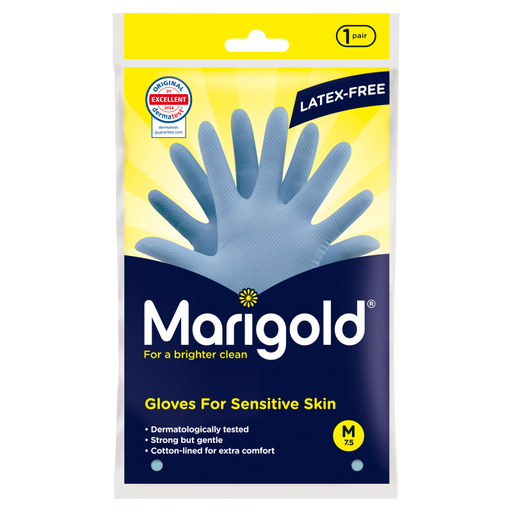
Why This Fits Their Persona: Perfect for individuals who find regular rubber gloves irritating or have sensitive skin. These provide reliable protection from domestic detergents and warm water without causing discomfort.
These gloves are latex-free and dermatologically tested, directly addressing a common issue with standard cleaning gloves. The fitted wrists also solve the "cuff catastrophe" by keeping water out effectively.
The soft cotton lining enhances comfort and reduces sweating. An anti-slip pattern ensures a secure grip on wet and soapy items.
We have compiled a complete, real-time list of products that fully satisfy these strict selection criteria and UK safety regulations.
1. How do I choose the right size of protective gloves? The best way is to check the manufacturer's sizing guide, which usually involves measuring the circumference of your hand. A well-fitting glove should be snug without being restrictive. For gardening or cleaning gloves, there should be no excess material at the fingertips, as this reduces dexterity. For oven gloves, a slightly looser fit is acceptable, but it should still feel secure.
2. Can I wash my gardening or oven gloves? It depends on the material. Most cotton oven gloves and fabric-based gardening gloves can be machine washed on a cool cycle—always check the care label first. Leather gardening gloves should not be machine washed; instead, brush off dry dirt and wipe them with a damp cloth. Silicone oven mitts and rubber gloves can simply be rinsed under the tap with soap and water. Always ensure gloves are completely dry before their next use.
3. What is the difference between rubber, latex and nitrile cleaning gloves? Traditional rubber gloves are typically made from natural rubber latex. While effective, latex can cause allergic reactions for some people. Nitrile is a synthetic rubber that offers similar durability and chemical resistance but is hypoallergenic, making it a safer choice for those with latex sensitivities. Many nitrile gloves, like the Marigold options, also come with a cotton lining for added comfort.