
24/7 Customer Support

Free returns

Same-day & Next-day Delivery

Quality Guaranteed

Unlock Your Welcome Offers: FREE Delivery | Up to 80% OFF | Free 30-day JoyPlus trial
Download the APP
Protective gloves can make household chores, gardening, food preparation and outdoor activities more comfortable, but choosing the wrong type can waste money and create a false sense of security. A thin disposable glove is not a substitute for a chemical-resistant glove, while a warm winter mitten will not provide the dexterity needed for cycling or detailed work.
The most useful approach is to match the glove to the task, then check its material, fit and stated limitations.
Household cleaning gloves, disposable nitrile gloves, gardening gloves and motorcycle gloves are designed for different hazards. A reusable rubber or nitrile-coated glove may handle detergents and warm water, but it may not be suitable for strong solvents or corrosive substances. Similarly, examination gloves are intended for hygiene and handling tasks rather than sharp tools or impact protection.
Choose according to the main risk:
Chemical resistance depends on the substance, concentration, temperature and contact time. A product described as suitable for a wide range of chemicals still requires the wearer to check the packaging and manufacturer guidance for the specific substance.
For routine domestic cleaning, use gloves intended for household products and avoid contact with strong corrosive chemicals unless the glove has clearly documented compatibility. Replace any glove that becomes sticky, brittle, torn or visibly damaged.
A thick glove is not automatically safer or more durable for every activity. Excess material can reduce dexterity, cause hand fatigue and make it harder to hold wet objects. A glove that is too tight may split at the fingers or become uncomfortable during extended use.
Measure your hand according to the product’s sizing instructions. For close-fitting disposable gloves, the fingertips should sit securely without excessive stretching. For cycling, motorcycle and gardening gloves, allow enough room for natural finger movement while ensuring the wrist does not slip.
Nitrile is commonly used for disposable and coated gloves because it offers a latex-free option and can provide a close fit. Disposable nitrile gloves are useful for food handling, cleaning, gardening and hygiene-related tasks, but they are generally single-use and should be discarded after contamination or damage.
Latex-free gloves are worth considering for people who prefer to avoid natural rubber latex. Always read the material information because “latex-free” does not mean suitable for every chemical or task.
For gardening, look for a leather or coated palm, reinforced patches and a breathable back. These features can improve grip and help shield the palm from ordinary abrasion, but they do not guarantee protection against punctures from every thorn or sharp object.
For motorcycle and cycling gloves, check for full-finger coverage, palm grip, wrist fastening and stated knuckle protection. Touchscreen gloves may be convenient for navigation, but touchscreen compatibility should not be confused with impact or weather protection.
A rolled or beaded cuff can help a glove retain its shape and reduce liquid rolling towards the wrist. Longer cuffs may be more practical when washing dishes or handling wet materials.
A textured palm or fingertip area can assist with gripping wet, oily or slippery objects. However, grip performance can vary with the material and surface, so avoid assuming that a textured finish makes every task safe.
For gloves used at work, check the product label and relevant documentation for applicable British or European standards, risk categories and conformity markings. Depending on the intended use, this may include information relating to mechanical risks, chemical risks, food contact or personal protective equipment.
A CE or UKCA marking, where applicable, indicates conformity with relevant requirements; it does not mean that the glove is suitable for every hazard. Follow the manufacturer’s instructions, especially for examination gloves, food-contact products and chemical handling.
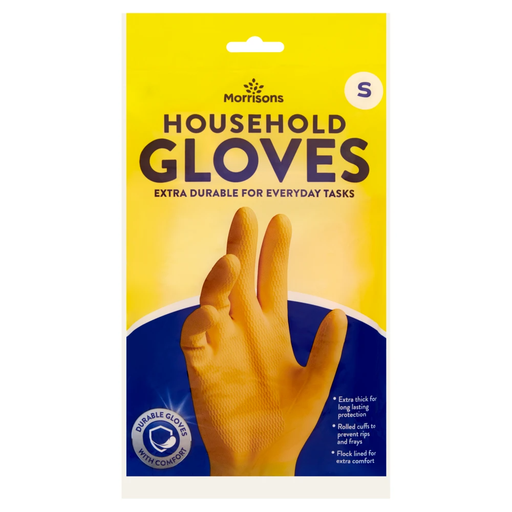
Why This Fits Their Persona: A practical option for everyday dishwashing, bathroom cleaning and general household chores.
The product information specifies an extra-thick construction, reinforced rolled cuffs and a warning against strong solvents or chemicals.
Soft flock lining, textured grip and small, medium and large sizing are listed.
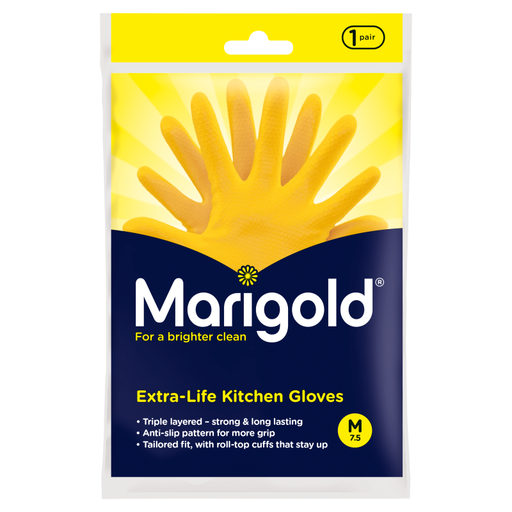
Why This Fits Their Persona: Designed for people who regularly clean kitchens, bathrooms and other areas where comfort and grip matter.
Its instructions limit use to regular household cleaning and advise against strong corrosive chemicals, making the boundary clearer.
Nitrile coating, triple-layer construction, cotton lining, anti-slip grip and beaded roll-top cuffs are specified.
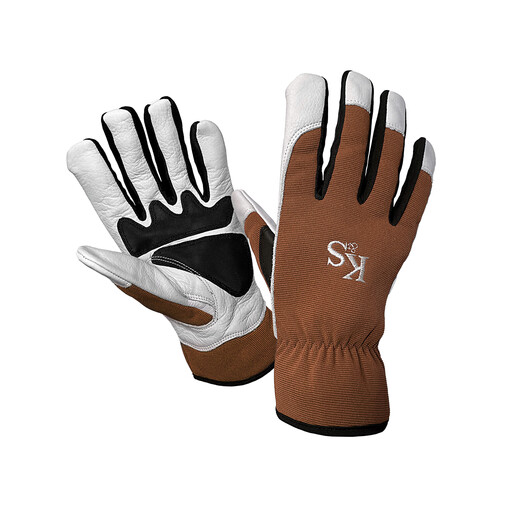
Why This Fits Their Persona: Suitable for frequent gardeners handling tools, soil, planting jobs and routine pruning.
The leather palm and reinforced PVC patches address grip and ordinary abrasion, while the elasticated wrist helps limit dirt entry.
Breathable spandex, a supple leather palm and multi-purpose gardening use are listed.
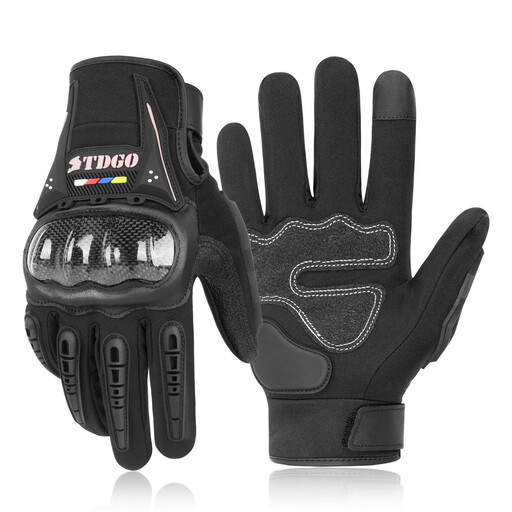
Why This Fits Their Persona: A full-finger riding design for motorcycle, scooter and mountain-bike users who need device access while travelling.
The listing states that it is not suitable for heavy rain or prolonged immersion, avoiding an unsupported waterproofing assumption.
Carbon-fibre knuckle protectors, touchscreen-compatible fibres, breathable polyester and an adjustable wrist fastening are specified.
We have compiled a complete, real-time list of products that fully satisfy these strict selection criteria and UK safety regulations.
They can be suitable for short, routine tasks involving common household products, provided the product guidance permits that use. Check the label for chemical limitations, inspect the glove before wearing and discard it after single use. Do not rely on a disposable glove for strong corrosive chemicals without specific compatibility information.
There is no universal lifespan. Reusable household cleaning gloves may last through repeated use if they are rinsed, dried and stored correctly. Heat, chemicals, sharp objects and frequent stretching can shorten their service life. Replace them when you notice holes, thinning, stiffness, cracking or loss of grip.
Touchscreen functionality only describes the ability to operate a compatible screen. It does not confirm waterproof performance. Check whether the gloves are water-resistant and read the limitations; the riding gloves listed above are not intended for heavy rain or prolonged immersion.