
24/7 全天候客户支持

免费退货

当日/次日达

品质保障

开启新人专享福利: 全场免邮 | 低至 2 折 | 免费试用 30 天 JoyPlus 会员
下载 Joybuy
From washing up to tending the garden, a reliable pair of protective gloves is a household essential. Yet, finding a pair that lasts can feel like a lottery. Many promise durability but split after a few uses, while others offer a poor fit that makes simple tasks clumsy. As a Joybuy Product Recommendation Officer, my role is to help you navigate the market and identify the features that truly matter, ensuring you get the right protection for your hands without wasting money.
Before you buy your next pair, be aware of these common purchasing pitfalls:
washing up gloves, this allows water to trickle inside, defeating the purpose. On gardening gloves, it lets soil and debris in, causing irritation.rubber gloves won't offer sufficient protection against the thorns in your garden, and a simple cotton oven glove can be dangerous if it gets damp, as water conducts heat.To avoid disappointment, focus on these key parameters. They are far more indicative of performance than flashy packaging.
The material is the single most important factor determining a glove's suitability.
washing up gloves. It offers excellent elasticity, flexibility and tear resistance, making it great for general cleaning. However, be mindful that natural latex can cause allergic reactions in some individuals.disposable gloves.gardening gloves. Leather offers excellent protection against abrasion, cuts and punctures from thorns or sharp tools, while moulding to your hand over time for a comfortable fit.heat resistant gloves and oven gloves, silicone is waterproof, non-slip and can withstand high temperatures. It’s also easy to clean and doesn't harbour bacteria, making it a hygienic choice for the kitchen.Beyond the material, look for these functional design features:
washing up gloves, look for rolled or beaded cuffs. This small detail creates a barrier that helps prevent water from running down your arms. For gardening gloves or work gloves, an elasticated wrist is crucial for keeping dirt and debris out.Instead of a one-size-fits-all approach, we've matched specific products to the people who will get the most out of them.
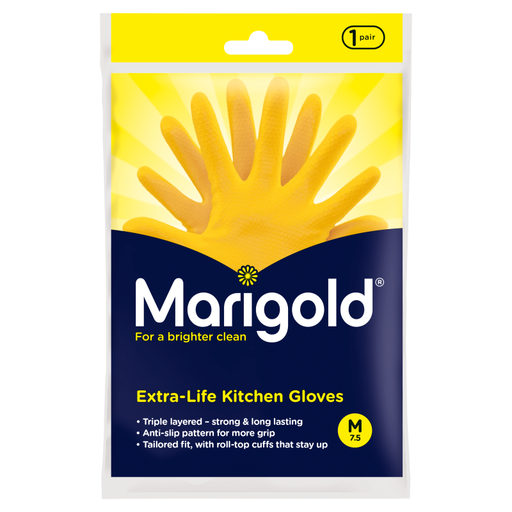
Why This Fits Their Persona: This user needs a reliable glove for daily washing up and cleaning. They value comfort for prolonged use and a secure grip on soapy dishes. These gloves are designed for exactly that, balancing protection with user comfort.
It counters the "heavy-duty" myth with a triple-layer structure and nitrile coating for genuine durability. The beaded roll-top cuffs directly address the poor cuff design flaw by staying up to keep water out.
The "safe hold" anti-slip pattern provides excellent grip on wet items. A soft cotton lining ensures hands stay dry and comfortable.
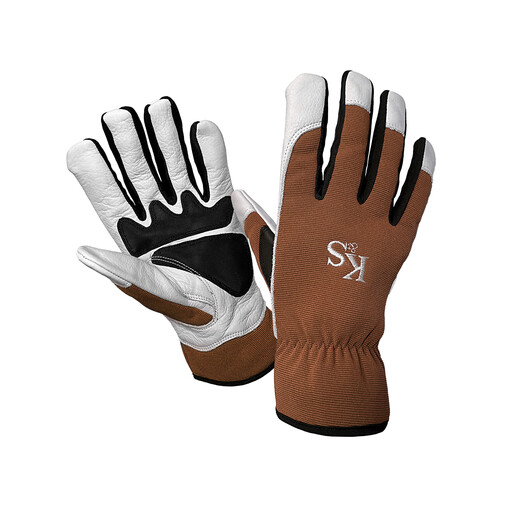
Why This Fits Their Persona: For the keen gardener who handles everything from pruning roses to pulling weeds and carrying tools. They need a glove that protects from thorns and abrasion but still offers enough dexterity for delicate tasks.
This glove avoids using the wrong material for the task. The premium leather palm provides genuine protection against sharp objects, while the elasticated wrist creates a snug fit that effectively keeps out dirt, solving the poor cuff design issue.
The hybrid design combines a durable leather palm with a breathable spandex back for flexibility and comfort. Reinforced PVC patches enhance grip on tools.
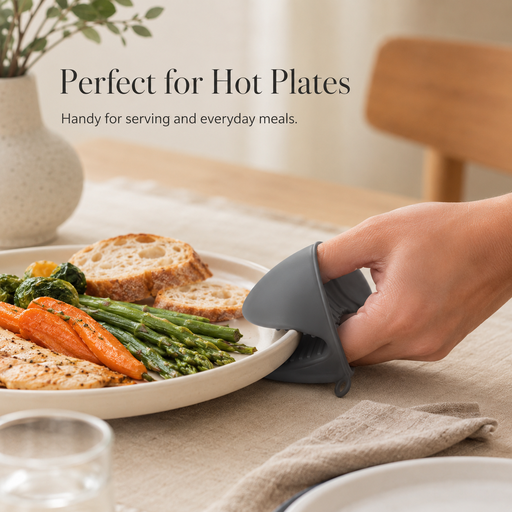
Why This Fits Their Persona: This user needs reliable protection from burns when handling hot trays from the oven, air fryer and microwave. Hygiene and a secure grip on hot cookware are top priorities. These pinch mitts are a modern, effective alternative to traditional oven gloves.
These mitts directly solve the pitfall of inadequate protection. Unlike fabric oven gloves that lose effectiveness when wet, food-grade silicone is waterproof and provides consistent heat insulation. The fish-scale texture ensures a non-slip grip.
Offers excellent heat, water and oil resistance. The silicone material is easy to rinse clean, making it more hygienic than fabric alternatives.
We have compiled a complete, real-time list of products that fully satisfy these strict selection criteria and UK safety regulations.
The lifespan of washing up gloves depends on usage frequency and the chemicals they are exposed to. A good quality pair should last several months with daily use. You should replace them immediately if you notice any punctures, tears or if the material becomes stiff or sticky, as this indicates it is starting to degrade and will no longer offer effective protection.
Both have their merits. Latex is very flexible and provides a great sense of touch, making it ideal for general cleaning. Nitrile offers better resistance to chemicals and punctures and is the necessary choice for anyone with a latex allergy. For tasks involving oils, greases and stronger detergents, nitrile is generally the more durable option.
It depends on the material. Fabric, nitrile and some synthetic gloves can often be rinsed with water and left to air dry. Leather gardening gloves require more specific care; they should be brushed clean of dry dirt and not soaked in water, as this can cause the leather to become stiff. Always check the manufacturer's care instructions.