
24/7 Customer Support

Free returns

Same-day & Next-day Delivery

Quality Guaranteed

Unlock Your Welcome Offers: FREE Delivery | Up to 80% OFF | Free 30-day JoyPlus trial
Download the APP
Navigating the market for protective helmets can feel overwhelming. Whether you're a motorcyclist, a daily cycle commuter or a weekend skater, the priority is always safety. Yet, it's easy to fall for marketing claims or choose a helmet based on looks alone, only to find it uncomfortable, impractical or, worse, not up to the required safety standards.
As a Joybuy Product Recommendation Officer, my role is to help you sidestep these common purchasing mistakes. Let's look at the frequent pitfalls and how to avoid them, ensuring your money is spent on genuine protection and comfort, not just clever branding.
To make an informed choice, focus on these essential parameters. They are the true indicators of a helmet's performance and suitability for your needs.
This is the most critical factor. The certification sticker on a helmet is a guarantee that it has passed specific, rigorous safety tests.
The construction of a helmet is tailored to its intended use.
A helmet you don't wear is a helmet that doesn't work. Comfort is key.
For less intense activities where impact protection isn't the primary concern but sun exposure is, a purpose-built sun protection hat with a wide brim and UPF rating is a more comfortable and suitable choice.
Based on these practical criteria, here are a few options from our catalogue that align with specific user needs, helping you avoid the common pitfalls.
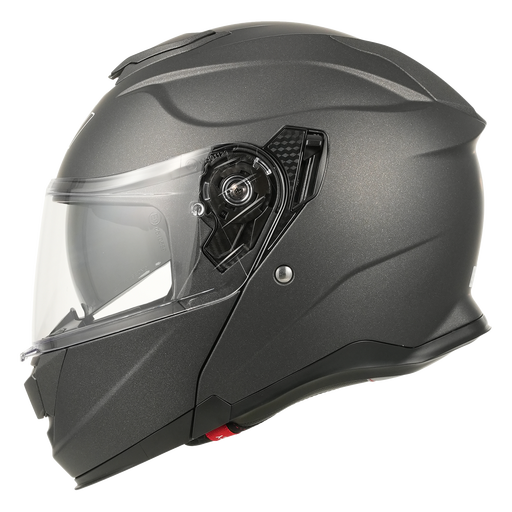
Why This Fits Their Persona: Ideal for UK touring riders and commuters who need a blend of high-level safety and practicality. The modular design is perfect for quick stops, while the dual visor adapts to changing British weather without needing to carry extra gear.
It is fully certified to the latest ECE 22.06 standard, ensuring you are not buying a helmet with outdated protection. Its function-first design prioritises safety and convenience over pure aesthetics.
Features a convenient modular flip-up mechanism and an integrated sun visor. It also includes a reserved slot for easy installation of a Bluetooth communication system.
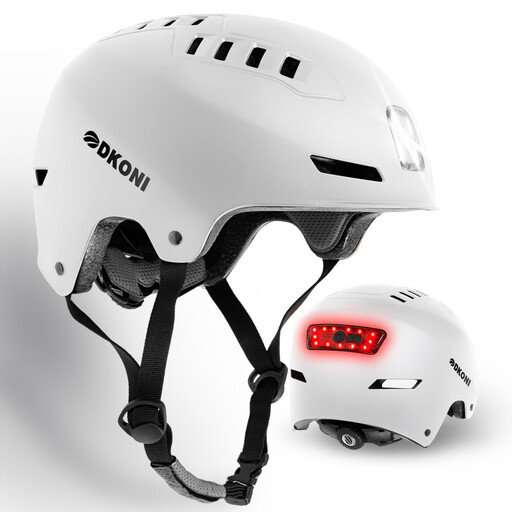
Why This Fits Their Persona: Designed for the urban cyclist or skater who navigates busy streets. Visibility is paramount, and the integrated, USB-rechargeable front and rear lights make this a highly practical choice for commuting in low-light conditions.
This is a purpose-built commuter helmet, not a generic model. It directly addresses the specific need for visibility with its lighting system, a feature often overlooked in more basic helmets.
Features a helmet with lights on both the front and rear for 360-degree visibility. It is also certified to CPSC, CE and ASTM standards and has 20 vents for good airflow.
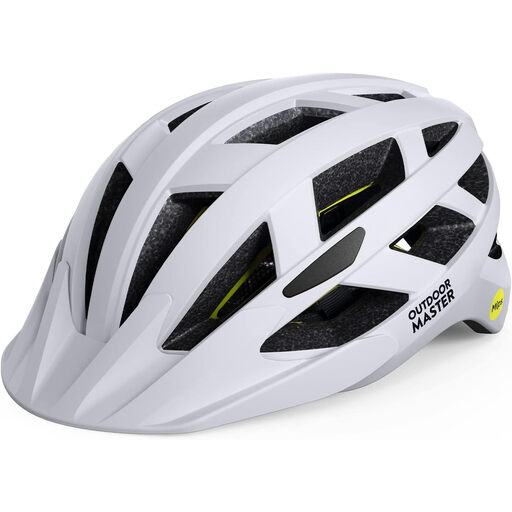
Why This Fits Their Persona: For the person who enjoys a bit of everything—weekend trail rides, skating at the park or cycling to the shops. This helmet offers a high-level safety feature (MIPS) in a versatile and affordable package.
Instead of settling for a basic helmet, this model includes MIPS technology, a feature typically found on more expensive helmets, providing an added layer of protection against rotational forces.
Equipped with the MIPS safety system for enhanced protection. It is also highly adjustable, with two sets of liners and a dial-fit system to ensure a secure and comfortable fit for various activities.
We have compiled a complete, real-time list of products that fully satisfy these strict selection criteria and UK safety regulations.
The general guidance is to replace your helmet immediately after any significant impact, even if there is no visible damage, as the internal protective structure could be compromised. If no impacts occur, it is still advisable to replace it every 3 to 5 years. Over time, materials like plastics and foams can degrade due to exposure to UV light, sweat and general wear, reducing their protective qualities.
A correctly fitting helmet should be snug but not uncomfortably tight. When you shake your head from side to side, the helmet should not move independently. The front of the helmet should sit about two fingers' width above your eyebrows, and the side straps should form a 'V' shape just below your earlobes. Finally, when you buckle the chin strap, you should only be able to fit one or two fingers between the strap and your chin.
This is not recommended. Motorcycle helmets are designed for single, high-speed impacts and are much heavier and less ventilated than cycling or skate helmets. The excess weight and lack of airflow would make them extremely uncomfortable and impractical for any activity that involves physical exertion. Always use a helmet designed and certified for your specific sport.