Runners packing a post-run snack
An individually wrapped bar is convenient after a long run or on the journey home. Check how it fits alongside fluids and a meal, rather than treating it as the whole recovery plan.


Choose a protein-bar grab bag for a portable snack after training or between meals, rather than assuming it will provide all the carbohydrate needed during a long run. For on-run fuel, check carbohydrate per serving against your plan; for an after-run bar, consider its carbohydrate and protein alongside the ingredients, allergens and sweeteners you tolerate.
A small pack is useful when you want portable bars but still need to decide when you would eat them and whether the flavour and ingredients suit you.
An individually wrapped bar is convenient after a long run or on the journey home. Check how it fits alongside fluids and a meal, rather than treating it as the whole recovery plan.
A small pack or selection box lets you compare flavours and textures. Read each flavour’s ingredients if allergens or sweeteners affect what you can choose.
A bar marketed as low in sugar may suit a snack preference, but that description does not tell you its total carbohydrate contribution during a long run. Use the nutrition panel for that decision.
Decide whether the food is for a run or for afterwards, then compare the exact bar’s nutrition panel, ingredients and pack format.
Choose when: You are planning food for a prolonged training run or marathon and need to account for carbohydrate during exercise.
Keep in mind: A protein bar might contribute carbohydrate, but its name or sugar claim cannot tell you whether a serving fits the plan.
Choose when: You want a portable snack after training or between meals and the bar’s ingredients suit you.
Keep in mind: After intense or prolonged exercise, UK Sports Institute guidance calls for carbohydrate, protein and fluids, followed by a meal; one bar does not replace all of these.
| Priority | What to check | Your needs |
|---|---|---|
| Carbohydrate during a run | Check carbohydrate in grams per serving, the number of servings you would carry and whether you have practised using that food in training. A 2015 article in Ned Tijdschr Geneeskd, indexed by PubMed, advises 30–60 g of carbohydrate per hour for exercise lasting 1–2.5 hours at high intensity; that guidance is not a claim about any particular bar. | For a long run, I need to know what each serving contributes instead of relying on a protein or low-sugar claim as my fuelling plan. |
| Food after training | Compare protein and carbohydrate per bar and plan for fluids and a meal as well. The UK Sports Institute advises a carbohydrate- and protein-rich snack with fluids as soon as possible after intense or prolonged exercise, followed by a full meal within two hours. | A wrapped snack would be handy after training, especially when I cannot sit down to a meal straight away. |
| Ingredients and tolerance | Read the ingredients, allergen information and sweetener statements on the exact flavour. Check a new bar on an ordinary training day rather than introducing it for the first time near a key run. | If an ingredient matters to me, I want to check the specific bar I will eat—not assume every flavour in a box is the same. |
| Pack format | Check the number and flavours of bars in the pack, along with their individual serving sizes. A mixed box and a single-flavour multipack answer different trial needs. | I would rather try a flavour and texture in a small pack before committing to a larger case. |
Protein and sugar claims do not establish how much total carbohydrate a bar supplies. During prolonged exercise, that difference matters when planning carbohydrate intake across the run.
Read carbohydrate grams on the exact label, account for the servings you intend to carry and practise your fuelling plan in training.
Flavours can have different ingredient profiles, and tolerance of sweeteners or sugar alcohols varies. The Barebells UK selection-box page also warns that excessive consumption of its shown product may have laxative effects.
Check each flavour’s label and try a serving away from race day before buying a larger quantity for regular use.
Allergen information belongs to the specific product. For example, Barebells lists milk proteins, cashew and peanut ingredients for a bar shown in its UK selection box.
For an allergy, intolerance or coeliac requirement, check the current label of every flavour you intend to buy, including relevant precautionary warnings and any explicit free-from claim.
Brand ranges can suggest pack formats to compare, but choose using the label for the exact bar and flavour.
Grenade describes its UK protein-bar range as high in protein and low in sugar.
PhD describes its Smart Bar as providing 20 g protein and less than 2.5 g sugar per bar.
Myprotein’s UK range lists formats including layered bars, wafers, oatbakes, oat protein flapjacks and snack boxes.
Barebells’ UK selection box lists four flavours. Its shown Caramel Cashew bar provides 20 g protein and 15 g carbohydrate per 55 g bar.
Quest describes its protein bars as high-protein and low-sugar; its own range page says some bars provide up to 21 g protein per bar.
Tesco is a grocery retailer, not a protein-bar manufacturer. Its protein-bar category includes grocery listings and Marketplace offers.
These bars and flapjacks are options for portable snacks after training or between meals. Their inclusion does not mean they supply a complete carbohydrate plan for a long run.
 No image available
A four-bar pack for trying this flavour as a portable snack. Compare carbohydrate per bar and check the ingredients and sweeteners before deciding when to use it around training.
 No image available
This larger single-flavour pack is a more considered choice once the flavour and ingredients suit you. Check its per-bar carbohydrate contribution separately from any plan for fuel during a long run.
 No image available
An oat flapjack format in a three-pack for trying a different type of post-run snack. Read the nutrition and ingredient information for each flapjack before deciding how it fits your training food.
 No image available
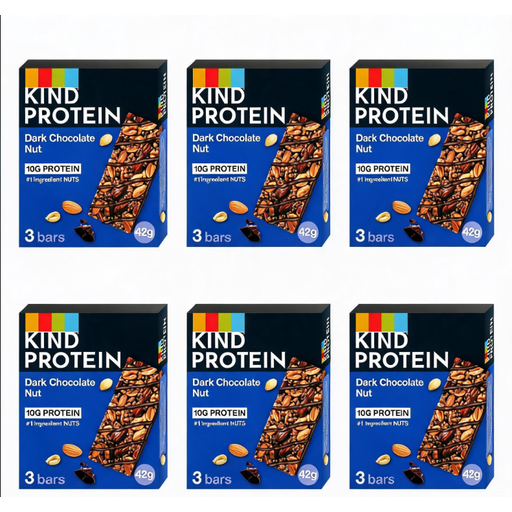
This multi-pack is a larger commitment to one flavour, so consider whether you have already tried it. Check the exact pack’s nut and other allergen information, as well as carbohydrate per bar.
 No image available
A four-bar pack for trying this flavour as a snack around training. Check the exact ingredients and per-bar carbohydrate before choosing it for a particular time of use.
Do not assume one will cover your carbohydrate needs. A 2015 article in Ned Tijdschr Geneeskd, indexed by PubMed, advises 30–60 g carbohydrate per hour for exercise lasting 1–2.5 hours at high intensity. Check the exact bar’s carbohydrate per serving and practise a fuelling plan appropriate to the run.
A portable bar can fit as a snack after training or between meals. For intense or prolonged exercise, UK Sports Institute guidance recommends a carbohydrate- and protein-rich snack and fluids as soon as possible afterwards, followed by a full meal within two hours; check what the bar contributes alongside the rest of that food.
Try one flavour and serving on an ordinary training day, rather than for the first time on race day. Read the nutrition panel, ingredients, allergen information and sweetener statements for that flavour before deciding whether to use it near a long run.
Yes—use the current label for each flavour, rather than applying one bar’s ingredients to the whole box. Barebells’ UK selection-box page, for example, lists milk proteins, cashew and peanut ingredients for its shown Caramel Cashew bar; another flavour needs its own check.