People training several times a week
If you regularly take a bar with you after exercise, a larger pack may be practical. Check the protein per bar and whether you will use every serving, rather than choosing by box size alone.


A 12-bar pack makes sense for regular use if you know you like the bar and will use the whole box; a four-bar pack involves less commitment when trying a flavour. Compare protein per bar with your eating plan, then check the exact flavour’s ingredients, allergen information and pack details before buying more.
If you regularly take a bar with you after exercise, a larger pack may be practical. Check the protein per bar and whether you will use every serving, rather than choosing by box size alone.
A smaller multipack gives you fewer bars to commit to while you find out whether you like the flavour, texture and ingredients.
If protein, sugars or particular ingredients matter to your choice, compare the per-bar figures and the exact flavour label. Values for one bar in a range need not describe every variant.
Start with the number of bars you will use, then compare the serving and label details for the specific pack and flavour.
| Priority | What to check | Your needs |
|---|---|---|
| Pack size | Count the bars and check the size of each serving. Consider the best-before date before committing to several boxes. | Will I use 12 bars, or would four be enough while I try a flavour? |
| Protein per bar | Read the figure per serving for the exact product. Myprotein UK lists 20 g per 60 g serving for its 12-bar Layered Bar Variety Box; PhD lists 21 g per 64 g serving for its Choc Brownie Smart Protein Bar. | I want to know what one bar contributes, rather than relying on a front-of-pack protein claim. |
| Flavour and ingredients | Check which flavours are in the box and read their individual labels. Look at the sugars figure and ingredients if either affects your choice. | Before buying a single-flavour box, I want to be confident I like that recipe. |
| Allergens | Read the exact pack’s ingredients, allergen declaration and any precautionary wording. The Food Standards Agency explains that precautionary allergen labelling signals possible unintended presence of a regulated allergen. | If I need to avoid an ingredient, the label matters more to me than the number of bars in the box. |
Protein amounts differ between products and lines: Barebells lists 16 g for its Soft Bars and 20 g for its Original bars, while Myprotein UK lists 20 g per serving for its Layered Bar Variety Box.
Compare the exact bar’s per-serving label with the rest of what you eat, rather than treating the category name as a serving specification.
A 12-bar single-flavour box leaves more of the same recipe to use if you find that its taste or ingredients do not suit you.
Try a smaller quantity first when the flavour or recipe is unfamiliar, and read any sweetener information and on-pack consumption warnings.
The practical burden is having bars left over that you do not want to eat.
An ingredient statement for one flavour does not establish what is in another. This is particularly important when allergens or dietary requirements determine whether a bar is suitable.
Check the current label for the flavour and pack you intend to buy, including any ‘may contain’ statement.
These references describe particular ranges and pack formats; the label of the bar you choose remains the deciding detail.
Myprotein UK offers a Layered Bar Variety Box with 12 x 60 g servings.
PhD offers its Smart Protein Bar in a 12-pack format.
Grenade protein bars appear in smaller multipacks as well as the larger packs shown below.
Barebells distinguishes between its Original and Soft bar lines.
Quest describes protein bars made with dairy-based proteins on its official product-range page.
Tesco is a grocery retailer where shoppers can compare smaller protein-bar multipacks; it is not the manufacturer of the branded bars above.
These packs offer 12-bar options for regular use and a four-bar Grenade option for trying the Oreo flavour with fewer bars. Compare the exact labels before choosing between them.
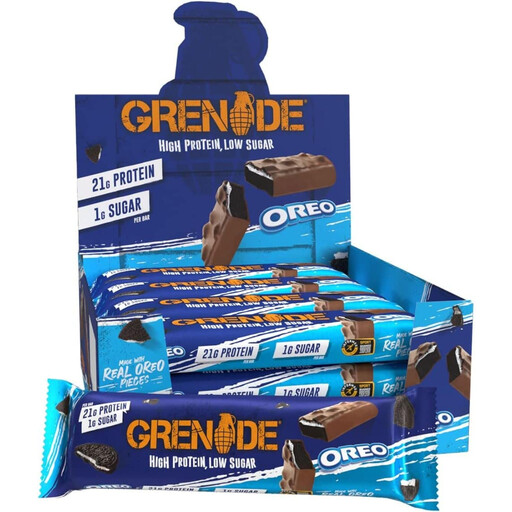 No image available
This single-flavour pack gives regular users 12 bars. Check the Oreo label for its per-bar nutrition, ingredients and allergen information before committing to the box.
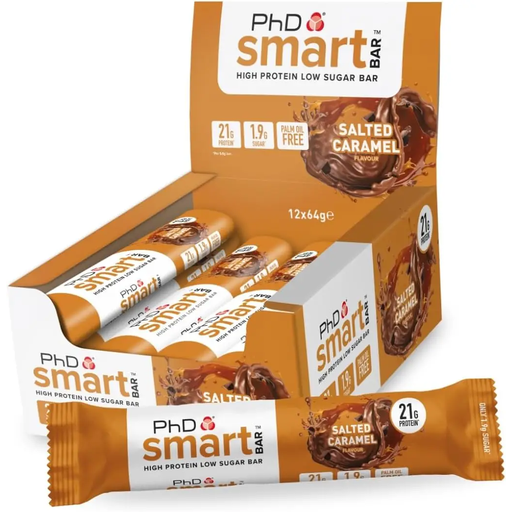 No image available
This 12-bar, single-flavour pack is worth considering if you already know you like Salted Caramel. Read this variant’s per-bar nutrition and ingredient label rather than using figures for another PhD flavour.
 No image available
Four bars involve less commitment than the 12-bar Oreo pack when trying the flavour. The Joybuy listing identifies milk, soya and wheat ingredients; check the current pack label, including any precautionary allergen wording.
 No image available
This is a 12-pack of 50 g bars in the Soft Core line, rather than the 60 g Grenade Oreo format above. Check its own per-bar protein figure and ingredients before comparing the two packs.
One bar can contribute protein, but whether it meets your intended serving depends on the bar and the rest of your food intake. The International Society of Sports Nutrition’s position stand describes general per-serving amounts of 0.25 g of high-quality protein per kg of body weight or 20–40 g; check the exact bar’s figure rather than assuming every product provides the same amount.
Choose a 12-bar pack if you expect to use all 12 servings and already know the recipe suits you. A four-bar pack involves less commitment when you are trying a flavour; also check the best-before date and serving size before buying a larger box.
Read the exact flavour’s sugars figure, ingredients and any on-pack consumption warnings. If the recipe is new to you, trying fewer bars first also lets you decide whether you like its taste and texture before buying a larger pack.
Read the ingredient and allergen information on the exact flavour and pack, including any ‘may contain’ wording. The Food Standards Agency explains that precautionary allergen labelling communicates possible unintended presence of a regulated allergen; the cited Grenade Oreo four-pack listing, for example, identifies milk, soya and wheat ingredients.