Students packing a lecture-day snack
An individually portioned bar is convenient to put in a bag for a gap between classes. Read the per-bar nutrition panel before deciding how it fits alongside the rest of your lunch.


For lecture-day snacks, a variety box makes sense if you are trying flavours or sharing with classmates; a larger single-flavour pack makes more sense once you know you like the bar. Check the nutrition and allergens for each flavour before committing to a box or offering bars to others. A protein bar can be part of lunch, but its protein content alone does not make it a complete meal.
The useful pack size depends on whether you are carrying a snack for yourself, trying unfamiliar flavours or sharing with others.
An individually portioned bar is convenient to put in a bag for a gap between classes. Read the per-bar nutrition panel before deciding how it fits alongside the rest of your lunch.
A mixed-flavour box gives people a choice, provided each person can check the ingredients and allergen information for the particular bar they take.
If a stated protein amount matters to your choice, compare it using the serving size on each label. Check the wider nutrition panel and ingredients rather than choosing on the front-of-pack figure alone.
Choose a pack format you will use, then compare the exact flavours. NHS food-label guidance explains that nutrition information is given per 100g and sometimes per portion; the per-bar figure shows what the bar you eat contains.
Choose when: You are trying flavours or sharing with people who want different options; Myprotein lists five flavours in its 12-bar Layered Bar Variety Box, while Barebells lists four in its 12-pack Selection Box.
Check: Nutrition and allergens can differ between flavours, so one bar’s label cannot stand in for the whole box.
Choose when: You already know you like the flavour and texture and expect to use the full box; PhD offers its Smart Protein Bar in a 12-pack.
Check: A whole box is a bigger commitment to one flavour, and PhD advises that excessive consumption of its cited bar may cause laxative effects.
Choose when: You want fewer bars while trying a flavour or have limited storage; the Joybuy UK Grenade OREO listing contains four 60g bars.
Consider: Four bars may not cover frequent snacks or sharing across a teaching week.
| Priority | What to check | Your needs |
|---|---|---|
| Pack size | Count the bars and flavours. Check the best-before date against how quickly you expect to use or share the pack. | I want enough bars for my lecture days without committing to more of one flavour than I will use. |
| Nutrition per bar | Compare the stated serving size, energy, protein and sugars per bar; use per-100g figures when comparing bars of different sizes. | The amount in the bar I will actually eat matters more to me than a protein claim on the front of the box. |
| Wider label | Compare saturated fat and salt on the same basis. Check fibre where it is declared, and read each flavour’s panel in a mixed box. | If I eat these regularly, I want to compare more than protein and sugars. |
| Sharing | Read the ingredients, highlighted allergens and any precautionary allergen statement for the exact flavour. Keep the label accessible when dividing a box. | Classmates need to be able to check whether the bar they choose suits their own requirements. |
| Place in lunch | Look at what one bar provides and what else you plan to bring. The NHS Eatwell Guide describes balance across food groups over a day or week, not a requirement for every individual item. | I may need other food and a drink with a bar rather than treating its protein content as my entire lunch. |
A protein figure does not describe the bar’s energy, saturated fat, sugars or salt. NHS food-label guidance covers these values alongside protein.
Before buying a larger pack, compare one bar’s nutrition panel and use the per-100g figures to compare bars of different sizes.
Myprotein says values can vary by flavour in its Layered Bar Variety Box. One flavour’s panel may not describe another bar in the same box.
Check the flavour-specific information when comparing energy, sugars, saturated fat or salt.
The Barebells Caramel Cashew example contains milk, cashew and peanut ingredients and carries a precautionary statement for other allergens. A mixed box should not be assumed suitable for everyone.
Keep the packaging available and let each person read the information for the exact bar before taking one.
A protein or sugar claim does not describe how the rest of lunch fits with the food groups in the NHS Eatwell Guide.
Consider what other food and drink you will bring, using the bar as a snack or one part of lunch where it suits your plans.
These pack examples show different ways to buy bars; check the exact flavour and pack label before relying on a nutrition or ingredient figure.
Its Layered Bar Variety Box contains 12 bars across five flavours, a format to consider for trying or sharing.
The Smart Protein Bar is offered as a 12-pack for buyers considering a repeat purchase of one flavour.
Its 12-pack Selection Box combines four named flavours rather than offering a single-flavour case.
Grenade’s UK range lists a selection box and bundle formats of 24, 36 and 48 bars; smaller OREO multipacks are also represented in the Joybuy products below.
Quest describes protein bars and variety packs on its US storefront, which is useful for identifying products to check against a current UK listing.
Tesco is a retailer to check for smaller multipacks rather than a manufacturer of the bars listed here.
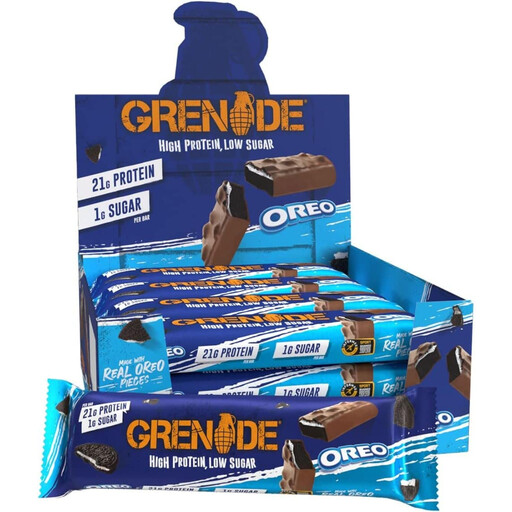
These are four- and 12-bar packs for trying an OREO flavour or keeping a familiar single flavour for lecture-day snacks. They are not a mixed-flavour selection.
 No image available
A 12-bar, single-flavour pack to consider if you already know you like the OREO flavour. Check the nutrition and allergen information on this 12-pack before sharing it; the figures for a different pack should not be assumed to apply.
 No image available
Four bars make this a smaller commitment if you are trying the OREO flavour. Joybuy UK states over 20g protein and under 2g sugar per 60g bar for this pack; its ingredient list includes milk, soya and wheat, which need checking before sharing.
 No image available
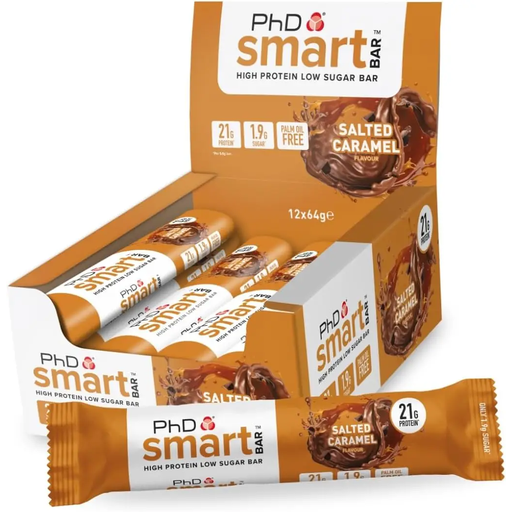
A single-flavour 12-pack for someone planning regular snacks. The accompanying product description refers to White Chocolate Blondie rather than the Salted Caramel flavour in the title, so confirm the flavour, ingredients and nutrition for the pack you intend to buy.
 No image available
This 12-pack is another single-flavour option for lecture-day snacks. Its accompanying description refers to White Chocolate Blondie rather than the Chocolate Peanut Butter flavour in the title; confirm the flavour and its exact label details before buying.
 No image available
A 12-bar Double Chocolate pack for someone who already knows they want that flavour. Each bar is listed as 50g; use this pack’s own label when comparing its per-bar nutrition and ingredients with the 60g Grenade options.
Do not assume that its protein content makes it a complete lunch. The NHS Eatwell Guide describes balance across food groups over a day or week; consider what other food and drink fits alongside the bar in your usual meals.
Check the energy and nutrients per bar to see what you would eat, then compare per-100g figures on the same basis. Read each flavour’s panel in a variety box: Myprotein says nutrition values can vary between flavours in its Layered Bar Variety Box.
Make the ingredients and allergen information for each flavour available so classmates can decide whether a particular bar suits them. For example, Barebells lists milk, cashew and peanut ingredients in its Caramel Cashew bar, while the Joybuy UK Grenade OREO four-pack lists milk, soya and wheat ingredients.
Myprotein and PhD warn that excessive consumption of their cited bars may cause laxative effects. Read the warning on the exact pack you choose, particularly before committing to a large box of an unfamiliar bar.