
24/7 Customer Support

Free returns

Same-day & Next-day Delivery

Quality Guaranteed

Unlock Your Welcome Offers: FREE Delivery | Up to 80% OFF | Free 30-day JoyPlus trial
Download the APP
Navigating the world of protein bars can feel like a workout in itself. With shelves and web pages full of promises, it's easy to end up with a box of snacks that are more akin to a chocolate bar than a nutritious choice. As a Joybuy Product Recommendation Officer, my role is to help you see past the marketing clutter and make an informed decision. A protein bar selection box seems like the perfect solution to find your favourite, but many UK consumers fall into a few common traps.
Before you commit, let's look at the pitfalls that could leave you with a disappointing purchase and how to sidestep them.
To avoid these traps, focus on a few key details on the nutritional label and ingredients list. This isn't about becoming a nutritionist; it's about practical, smart shopping.
When you pick up a bar, your eyes should go straight to the 'per serving' column. Here is what to look for:
The source of the protein dictates who the bar is suitable for.
Based on these practical criteria, here are a few options from our catalogue, matched to different needs and preferences.
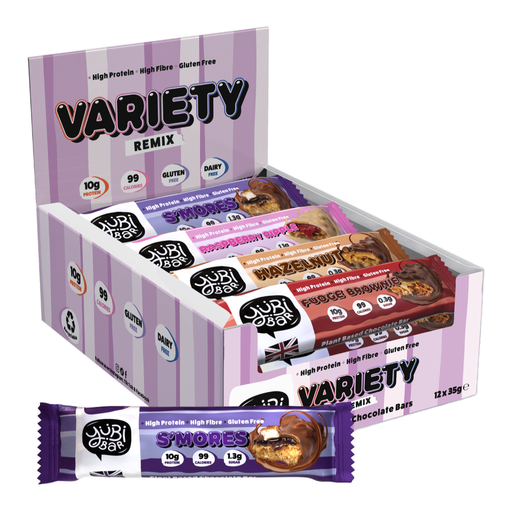
Why This Fits Their Persona: Perfect for anyone new to protein bars or who simply loves variety. This box lets you sample four different flavours (including Caramel, Peanut and Cookies & Cream) without committing to a full case of one, making it an ideal entry into the world of high-protein snacks.
This is the definitive solution to the "Flavour Fatigue Gamble." You get to discover which flavours you genuinely enjoy before considering a larger purchase of a single type.
Each bar is plant-based, gluten-free and under 100 calories, making it a very accessible and low-risk option for a wide range of dietary needs and goals.
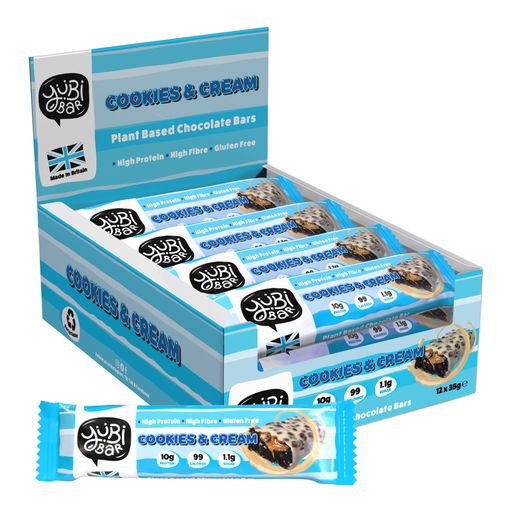
Why This Fits Their Persona: For the health-conscious individual who needs a reliable, diet-compliant snack. This box is ideal for vegans, vegetarians or those with gluten and dairy intolerances who have found a flavour they love and want to stock up.
It directly solves the "Protein Source Mismatch" by using a pea and soya protein blend. It is fully plant-based and uses gluten-free oats, removing the guesswork for those with specific dietary restrictions.
These are low calorie protein bars at just 99 kcal each, while still providing 10g of protein. They are also HFSS compliant, aligning with current UK health standards.
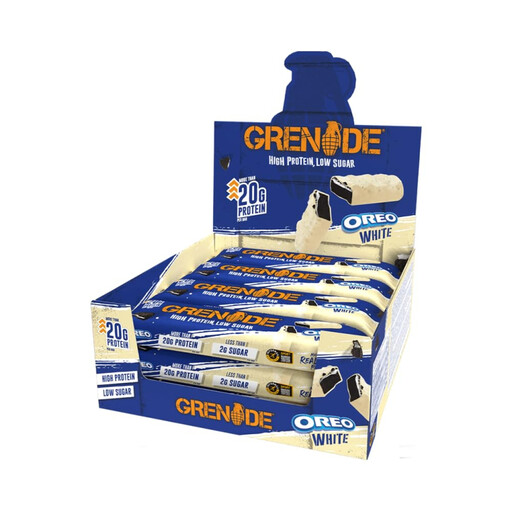
Why This Fits Their Persona: For the dedicated gym-goer or athlete in the UK who prioritises a high protein intake for muscle repair and growth. This bar delivers a substantial protein punch with an indulgent, dessert-like flavour that makes post-workout nutrition feel like a treat.
Despite its rich White Oreo flavour, it masterfully avoids the "Hidden Sugar Trap." With only 1.3g of sugar per 60g bar, it allows for a satisfying treat without derailing a low-sugar diet.
The primary benefit is its high protein content of 21g per bar from a milk protein blend, designed to support muscle maintenance. The multi-layered texture is a significant step up from simpler bars.
We have compiled a complete, real-time list of products that fully satisfy these strict selection criteria and UK safety regulations.
They can be a convenient part of a healthy diet when chosen carefully. For daily snacking, look for bars with a balanced profile: moderate protein (10-15g), low sugar and some fibre. They should be used to supplement a diet rich in whole foods, not as a meal replacement unless specifically designed for that purpose.
This depends entirely on your goals. To support muscle recovery after a workout, consuming a bar with a higher protein content (20g or more) within an hour of finishing your session is often recommended. As a general healthy snack to manage hunger between meals, they can be eaten at any time of day.
For some individuals, yes. Ingredients like maltitol, sorbitol and xylitol are common sweeteners in low calorie protein bars. They are not fully absorbed by the body, which can lead to bloating or a laxative effect, especially when consumed in large amounts. If you are new to these ingredients, it may be sensible to start with half a bar to see how your body reacts. Most UK packaging will include a warning about this.