People fitting a snack around training
A bar is easy to carry, but its portion and carbohydrate content still need to fit the time between eating and exercise.


A protein-bar value pack makes sense when you expect to use the full box and know that its flavours, portions and ingredients suit you. Check the nutrition and allergy information for the exact bar before choosing it as a pre-workout snack. A bar is a convenient option, not a requirement before exercise; for extended high-intensity sessions, the Journal of the International Society of Sports Nutrition discusses carbohydrate and fluid planning as part of a wider approach.
A bar is easy to carry, but its portion and carbohydrate content still need to fit the time between eating and exercise.
A box is more practical when you will use every bar. Decide whether you want one familiar flavour or a selection before committing to a larger pack.
Read the ingredient and allergy statement for each flavour in a box, particularly if you need to avoid an allergen or have found that certain sweeteners do not suit you.
Start with the exact bar you would eat, then consider whether its pack size and flavour mix work for your routine.
| Priority | What to check | Your needs |
|---|---|---|
| Portion and nutrition | Compare the serving weight and nutrition per bar, including protein, energy and carbohydrate. Check the exact flavour rather than assuming every variant has the same values. | I want a portable portion that fits the gap before my session, without choosing on protein content alone. |
| Training context | Consider when you last ate, when training starts and how long the session will last. For extended high-intensity exercise, the Journal of the International Society of Sports Nutrition discusses carbohydrate intake and fluid regulation, not protein bars as a standalone plan. | If I am eating close to exercise, I need a portion I know I am comfortable with. A longer, intense session calls for more thought than simply packing a bar. |
| Pack commitment | Check the number and weight of the bars. Confirm whether the box contains one flavour or an assortment whose contents may vary. | I will use a full box regularly, but I would rather try a flavour before committing to twelve of it. |
| Ingredients and allergens | Read the current ingredient, allergy and possible-trace statements for every relevant flavour. Check any sweetener warnings on the pack. | My choice depends on the actual flavour in the box, not a general claim on the front of the wrapper. |
| Label comparison | Use the nutrition panel to compare bars on the same basis, such as per bar or per 100 g. The NHS explains that nutrition labels can help shoppers compare products. | I want to compare portions fairly when bars have different weights and formulations. |
A flavour or texture you do not enjoy is harder to work around when every bar in the box is the same. Grenade, PhD and Barebells also give warnings about excessive consumption of certain bars having a laxative effect.
Try an individual bar or smaller selection first where possible, and read the warnings for the exact product.
An unfinished box takes up storage space and leaves you with bars you may not want to eat.
Bars differ in size and carbohydrate content. A protein-focused snack does not, by itself, address the carbohydrate and fluid considerations discussed for extended high-intensity exercise by the Journal of the International Society of Sports Nutrition.
Consider your previous meal, the time until exercise and the session you have planned. Try a new snack and timing during an ordinary training day.
Pack counts and serving weights differ, so two boxes can represent different amounts of food and different nutrition per bar.
Compare the stated bar count and weight, then read the nutrition panel for the precise flavour.
Grenade’s selection box lists several allergens and possible traces, and the Barebells product information includes flavour-specific allergen cautions. An assortment can contain bars with different ingredients.
If you need to avoid an ingredient, check the current label for every included flavour before buying.
These ranges illustrate different pack formats; a brand name alone does not establish the ingredients or nutrition of every flavour.
Grenade offers a 12-bar selection box for trying assorted flavours.
The PhD Smart Protein Bar range includes a 12-pack of full-size 64 g bars.
Barebells offers a 12-bar selection box containing several original-bar flavours.
Tesco is a grocery retailer whose protein-bar category includes different brands and multipack sizes.
These single-flavour, 12-bar Grenade and PhD packs are options for shoppers who already know which flavour they want to keep on hand. Check each product’s current label before choosing it for a pre-workout snack.
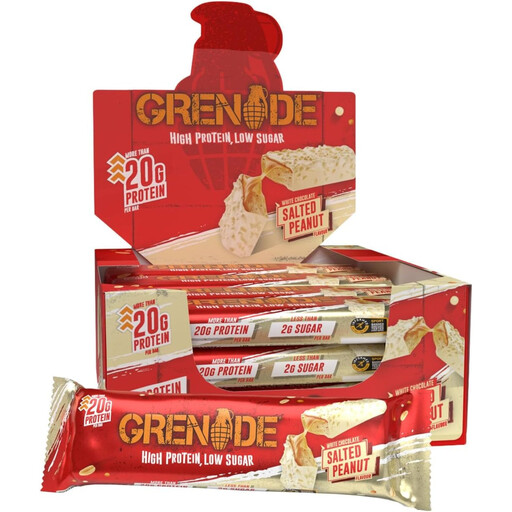 Image unavailable
A single-flavour box for keeping a portable snack on hand. Check this flavour’s nutrition and allergen label before committing to twelve bars.
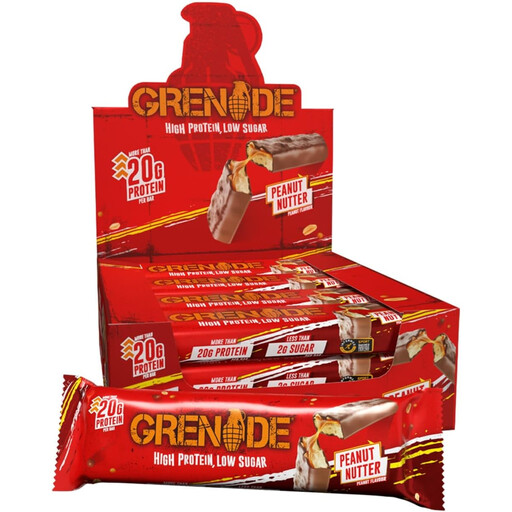 Image unavailable
A 12-bar Peanut Butter box rather than an assortment. Check the exact flavour’s ingredients and portion information if you plan to eat a bar before training.
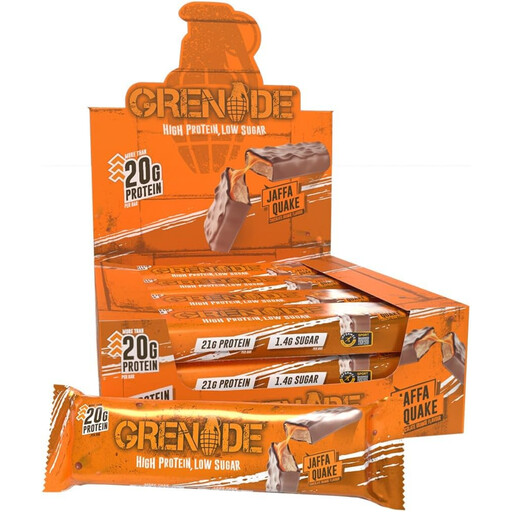 Image unavailable
This single-flavour pack contains twelve 60 g bars. Check the current nutrition and allergy statements for Jaffa Quake rather than relying on figures for another Grenade flavour.
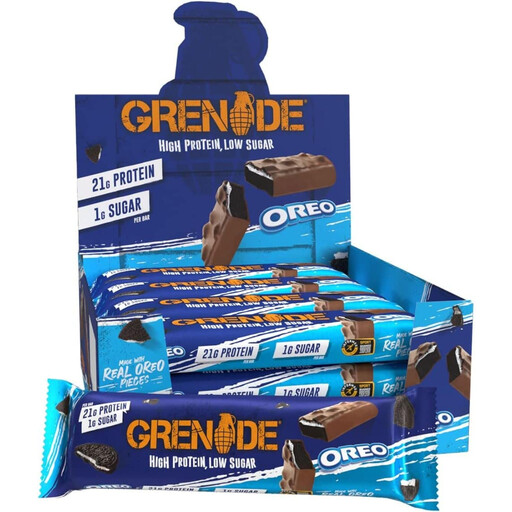 Image unavailable
A single-flavour 12-pack of 60 g bars. Read this variant’s ingredient and allergy information before buying a full box.
 Image unavailable
This single-flavour box contains twelve 64 g bars. Check the Chocolate Peanut Butter label for its own nutrition, ingredients and warnings; figures for other PhD flavours may differ.
No. A bar is a convenient snack if it fits your routine, but it is not a pre-workout requirement. The Journal of the International Society of Sports Nutrition describes nutrient timing across foods and supplements; it also discusses carbohydrate and fluid needs during extended high-intensity exercise.
Check how many bars the pack contains, whether the flavours are fixed and how much each bar weighs. Then compare nutrition per bar for the exact flavours and read their ingredient and allergy statements.
No. It does not tell you the bar’s full carbohydrate content, energy or serving size. Read the complete nutrition panel and ingredients for the flavour you intend to eat.
Check the current on-pack ingredient and allergy statements for every flavour you might receive, especially in an assortment. Grenade’s selection box and the listed Barebells products carry product-specific allergen or possible-trace information; a brand name is not a substitute for the exact label.
Yes. The NHS explains that nutrition labels on pre-packed foods help shoppers compare products. Check whether figures are given per 100 g or per serving, then look at the weight of the bar you would actually eat.