Students looking for a high-protein bar
If the “high protein” description matters to your choice, compare protein per bar with the bar’s energy. A product name containing “protein” does not, by itself, tell you whether it meets the claim condition.


If you specifically want a bar that qualifies for a “high protein” claim, check protein’s share of energy rather than relying on the product name: Nature Valley UK lists 10.4g protein and 198 kcal per 40g Salted Caramel Nut bar, putting protein at about 21% of its energy. Other bars may suit preferences for an oat-based format, fibre or no added sugar, but compare sugars and allergens on the current pack. A protein claim does not establish that a bar improves revision focus or exam performance.
If the “high protein” description matters to your choice, compare protein per bar with the bar’s energy. A product name containing “protein” does not, by itself, tell you whether it meets the claim condition.
Vegan, gluten-free, dairy-free and no-added-sugar labels address different requirements. Check the exact flavour’s ingredients and allergen statement alongside its nutrition panel.
A bar can be convenient to carry, but protein alone does not describe its sugars, fibre, energy or saturated fat. Compare those figures per bar when deciding what to keep on hand.
Start with the protein and serving-size figures, then check the other nutrition and ingredient details that affect your choice.
| Priority | What to check | Your needs |
|---|---|---|
| Protein per bar | Compare grams of protein and energy for the same serving. For a “high protein” claim, Regulation (EC) No 1924/2006 sets a condition of at least 20% of the food’s energy coming from protein. GOV.UK says the EU nutrition rules were retained and amended for Great Britain from 1 January 2021, while relevant EU rules continue to apply in Northern Ireland. | I want to know how much protein the bar I will actually eat provides, and whether a “high protein” description meets that condition. |
| Sugars and fibre | Read “of which sugars” and fibre per bar, noting differences in bar size. A no-added-sugar description does not give the total sugars figure. | A less sweet-tasting option or a particular fibre figure may matter to me, so I want to compare the numbers rather than the front-of-pack wording alone. |
| Energy and saturated fat | Compare kcal and saturated fat per serving alongside protein. Check whether the figures refer to one bar or a multipack. | For a revision break, I want to judge the whole bar as a snack, not choose it on protein grams alone. |
| Dietary suitability | Check the current pack’s ingredients, allergen declaration and any “may contain” statement. Confirm vegan or gluten-free wording on the exact flavour. | If I need to avoid an ingredient, a broad dietary label is not a substitute for checking the full declaration. |
| Use during revision | Check the pack size, storage instructions and best-before date for how you plan to use the bars. Treat nutrition claims separately from any promise about concentration. | I want a snack that is practical to take along without assuming it will change how well I study. |
The regulated claim depends on protein providing at least 20% of the food’s energy, not on a fixed number of grams per bar. The reviewed bars with 7g to 9g protein do not all reach that share.
If the claim is important to you, check the current label against the 20% condition in Regulation (EC) No 1924/2006. Compare protein and energy for the same serving rather than relying on the product title.
Tesco’s listing for the nākd. Peanut Butter Protein Bar describes it as having no added sugar, while its nutrition table lists 13g sugars per 45g bar.
Read the total “of which sugars” figure per bar when comparing it with another snack; the two phrases do not mean the same thing.
Protein does not tell you the bar’s other nutrition figures. In its November 2025 analysis of 458 bars sold by 10 major UK retailers, Action on Salt & Sugar classified 37% as high in sugars and 55% as high in saturated fat under the UK thresholds it used.
Compare sugars, fibre, energy and saturated fat on the same per-bar basis. None of those figures establishes a benefit for concentration or exam results.
The reviewed bars have differing declarations for peanuts, tree nuts, soya, milk and cereals containing gluten. Some also carry “may contain” statements.
For an allergy or required exclusion, check the full declaration on the current physical pack of the exact flavour before eating it.
These brand examples show how different bar formats meet different label-checking needs; a brand name alone does not establish the nutrition or allergens of every flavour.
Its Protein and Protein + Fibre bars offer different combinations of protein, sugars and fibre.
TREK’s Cocoa Oat is a vegan, oat-based 50g flapjack for shoppers who prefer that format.
The Peanut Butter Protein Bar is a fruit-and-nut-style option listed by Tesco as vegan, gluten-free, dairy-free and made with no added sugar.
Its Peanuts & Dark Chocolate Protein Bar is a nut-led 40g option.
Graze sells several snack formats, including Oat Boost flapjacks, for shoppers comparing formats as well as protein claims.
Alpen Protein Chocolate is a cereal-bar reference when comparing protein-labelled products.
These bar multipacks offer different flavours and pack sizes for revision-break shopping. Compare the current pack labels for protein, sugars and allergens before choosing a flavour.
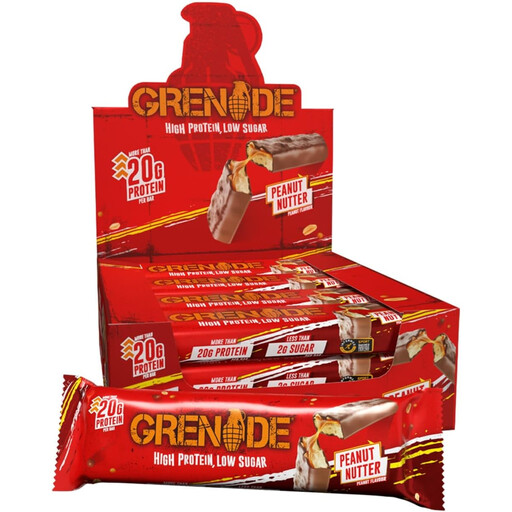 Image unavailable
If a peanut butter flavour suits your revision snack plans, compare the current pack’s protein and sugars figures per 60g bar. Check its full allergen declaration and ingredients before buying.
 Image unavailable
This double-chocolate option comes in 50g bars for individual study breaks. Use the current pack to compare its per-bar nutrition with 60g alternatives and to check the ingredients and allergens.
 Image unavailable
For a bar whose published figures meet the high-protein claim condition, Nature Valley UK lists 10.4g protein and 198 kcal per 40g Salted Caramel Nut bar. Check the current multipack label for its nutrition and allergens, including peanuts, almonds, soya and milk.
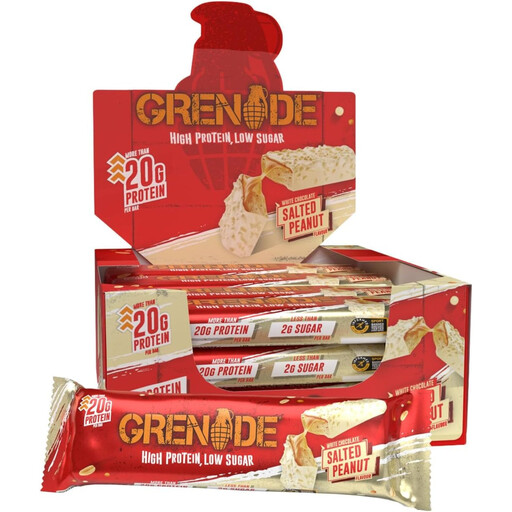 Image unavailable
If you prefer a white-chocolate and salted-peanut flavour, check the nutrition figures per 60g bar against the other flavours. Read the current ingredient and allergen declaration, particularly if peanuts or other ingredients are a concern.
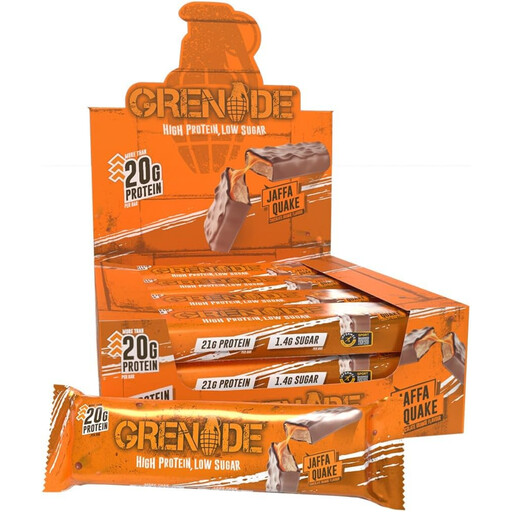 Image unavailable
Jaffa Quake is another 60g-bar flavour to consider for a revision snack. Compare its current per-bar nutrition with the other packs and check the full ingredient and allergen declaration before choosing it.
Check whether protein provides at least 20% of the bar’s energy, the condition set out for the claim in Regulation (EC) No 1924/2006. Nature Valley UK lists 10.4g protein and 198 kcal for its 40g Salted Caramel Nut bar, equivalent to about 21% of energy from protein. Use the current pack’s figures for the bar you buy.
A “high protein” nutrition claim does not establish an effect on concentration or exam performance. Choose a bar for its ingredients, nutrition and practicality as a snack; the NHS advises considering dietary balance across a day or week rather than expecting every individual snack to provide it.
No. Those descriptions do not cover every allergen: reviewed bars can contain or may contain peanuts, other nuts, soya or milk. Check the ingredients, allergen declaration and any “may contain” statement on the current pack of the exact flavour.
Follow the storage instructions and best-before date on the pack you purchase. Read that pack’s nutrition and ingredient information too, as formulations and labels can change.