What should you check?
Start with when you intend to eat the bar, then compare the nutrition panel for the whole serving and the exact flavour’s ingredients.
| Priority |
What to check |
Your needs |
| Before-run snack |
Compare carbohydrate per bar, fat content and serving size. University College London Hospitals NHS Foundation Trust describes a snack with carbohydrate, protein and minimal fat 60–90 minutes before training. |
I need something to eat before a 5k, rather than a bar chosen solely for its protein number. |
| After-run protein |
Read protein per whole bar, not just per 100g. Check carbohydrate too if it is part of what you want from an after-run snack. |
A portable snack would be useful after my run or when my next meal is some time away. |
| Flavour and format |
Compare the exact flavour’s sugar, carbohydrate and serving size. Try an individual bar before committing to a multipack if taste matters to you. |
I want a flavour I will eat, while still being able to compare what each bar contains. |
| Ingredients and tolerance |
Read the fibre, polyol, ingredient and allergen information on the exact pack. Try an unfamiliar bar during ordinary training rather than immediately before an important run. |
Ingredient suitability matters to me, and I would rather learn how a bar fits my routine before relying on it for an event. |
Brands and ranges to compare
These brand and retailer references describe ranges to investigate, not the ingredients or nutrition of every flavour.
Grenade
Grenade describes its Carb Killa and Soft Core protein-bar range as high in protein and low in sugar.
- Offers several flavours and bar formats to compare.
- Check the exact bar’s carbohydrate, fat and ingredients if you intend to eat it before running.
PhD
PhD presents its Smart Bar as a protein snack with a low-sugar range description.
- Its product page gives per-bar protein and sugar figures for comparison.
- Check carbohydrate, fibre and ingredients for the particular flavour and serving.
Myprotein
Myprotein’s Layered Protein Bar page states 20g protein and 20g carbohydrate per bar, while noting that nutrition varies by flavour.
- The stated carbohydrate figure gives shoppers another measure to compare alongside protein.
- Check the chosen flavour’s label and dietary suitability; the product page warns that excessive consumption may produce laxative effects.
Barebells
Barebells lists original, soft and vegan protein-bar formats on its UK site.
- Different formats allow a comparison of flavours and ingredient lists.
- Barebells says some products contain lactose or may contain traces of it; its Vegan Caramel Peanut bar contains wheat protein.
Quest
Quest describes its protein bars as protein-focused snacks on its own site.
- The range offers another protein-bar format to compare by serving.
- Check ingredients and nutrition on the exact UK pack rather than assuming a range-wide description applies to it.
Tesco
Tesco is a supermarket comparison route rather than a protein-bar manufacturer; its online category lists individual bars and multipacks.
- Individual bars can help you compare flavours and formats before choosing a larger pack.
- Check the individual product listing and pack for current ingredients, serving size and nutrition.
Joybuy protein bars
These bars are options for an after-run or between-meal snack. If you want a snack before a 5k, compare the exact bar’s carbohydrate, fat and ingredients as well as its protein content.
 No image available
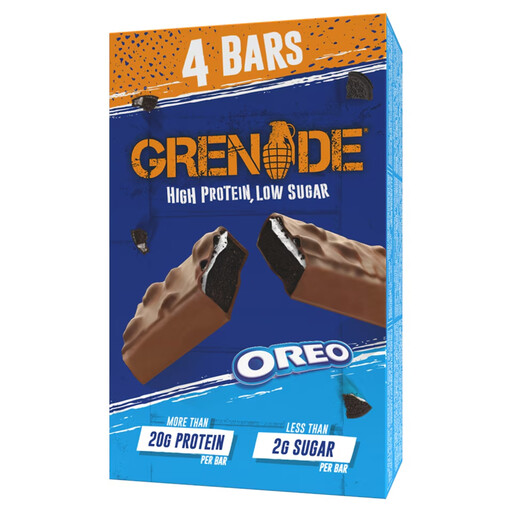
Grenade Oreo Flavour Protein Bars, 4 x 60g
For an after-run or between-meal snack, compare the nutrition panel for one 60g bar with what you need from that snack. Check the exact pack’s ingredients before using a bar close to a run.
Joybuy
 No image available
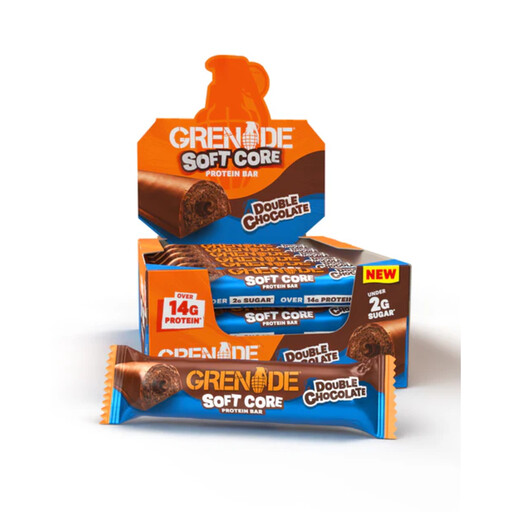
Grenade Soft Core Double Chocolate, 12 x 50g
This multipack is a between-meal or after-run snack option. Compare the nutrition and ingredient information for a single 50g bar before choosing a twelve-bar pack.
Joybuy
 No image available
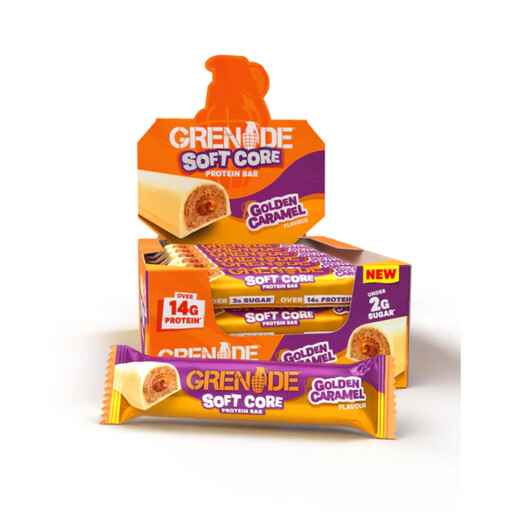
Grenade Soft Core Golden Caramel, 12 x 50g
For a portable snack after a run, check protein and carbohydrate per 50g bar. If you might eat one before running, check its fat, fibre and ingredients on the exact pack too.
Joybuy
 No image available
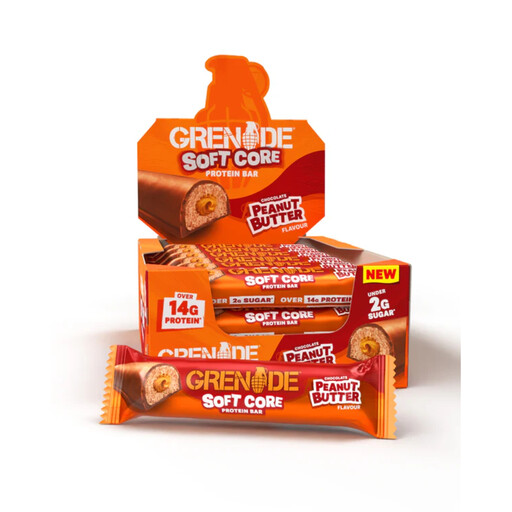
Grenade Soft Core Peanut Butter, 12 x 50g
Consider this flavour for an after-run or between-meal snack if its full label fits your requirements. Read the ingredients and allergen statement on the exact pack, especially when choosing a peanut-flavoured product.
Joybuy
 No image available
Nature Valley Protein Peanut & Chocolate, 4 x 40g
This four-bar pack offers another snack format to compare. Read carbohydrate and protein per 40g bar, and check the exact ingredients and allergen statement before deciding when to eat it.
Joybuy
Questions about bars and 5k runs
Is a high-protein bar suitable just before a 5k?
Not on the strength of its protein claim alone. University College London Hospitals NHS Foundation Trust describes a snack eaten 60–90 minutes before training as containing carbohydrate and protein with minimal fat. Check the exact bar’s carbohydrate and fat content, and choose something familiar if eating close to a run.
Do I need a protein bar during a 5k?
A bar is not automatically needed because the activity is a 5k. World Athletics’ endurance guidance varies carbohydrate intake by exercise duration; what you need to carry also depends on how long you will be active and your circumstances. A medical requirement for food during exercise needs individual advice rather than a general bar-buying rule.
When might I choose a bar after running?
Choose one when a portable between-meal or after-run snack is useful. Compare protein per whole bar, and check carbohydrate too if you want both in the snack; Myprotein’s Layered Protein Bar page states 20g of each per bar but notes that nutrition can vary by flavour.
What if a bar does not agree with me before a run?
Check the exact bar’s ingredients, fibre and polyols, and try an unfamiliar product during routine training rather than before an important event. World Athletics’ distance-running nutrition guidance recognises gut discomfort as a consideration when planning what to eat.
Does a vegan protein bar also meet gluten-free or dairy-free requirements?
Do not assume it does. Barebells states that its Vegan Caramel Peanut bar contains wheat protein and that some other products contain lactose or may contain traces of it. Read the exact product’s ingredients, allergen declaration and precautionary statements against your requirements.


