Who needs to check what?
The useful starting point differs depending on whether you are avoiding an allergen, following a vegan diet or comparing the nutrition of an afternoon snack.
Shoppers avoiding a specific allergen
Check the exact flavour’s ingredients and precautionary statements for the allergen you avoid. Milk, soya, gluten-containing cereals, peanuts and other allergens appear in the ingredients or ‘may contain’ statements of the bars discussed below. The Food Standards Agency explains that precautionary labelling communicates possible unintended allergen presence.
Vegan afternoon-snack shoppers
A vegan claim addresses animal-derived ingredients, not every other ingredient you might avoid. PhD’s displayed Smart Plant Chocolate Peanut Brownie ingredients include soya protein, peanut paste and malt extract identified as gluten, so check the chosen flavour separately.
Shoppers comparing sugar and protein
Once a bar fits your ingredient requirements, compare nutrition per bar as well as per 100 g. Check for polyols and any accompanying excessive-consumption warning: the Grenade Cookie Dough listing at Asda, for example, gives 17 g polyols per 60 g bar and carries such a warning.
What matters when choosing a bar?
Start with the requirement that could rule a bar out. Only then compare the remaining options by their serving size, nutrition and the sort of snack you want with afternoon tea.
| Priority |
What to check |
Your needs |
| Specific allergens |
Read the current flavour’s full ingredients list and any relevant ‘may contain’ statement. Check the pack you receive if the formulation or retailer changes. |
I need to know whether my particular allergen appears as an ingredient or in a precautionary warning; a broad free-from category cannot answer that for me. |
| Vegan and gluten-free claims |
Check each claim separately, along with soya, peanut and wheat ingredients. PhD lists soya protein, peanut paste and gluten-containing malt extract for its displayed Smart Plant Chocolate Peanut Brownie flavour. |
A vegan bar may fit my diet, but I still need to check gluten or other ingredients I avoid. Conversely, a gluten-free claim alone tells me nothing about milk or peanuts. |
| Protein and sugar |
Compare values for the same serving basis, including the bar’s weight. For context, Asda lists 21 g protein per 60 g Grenade Cookie Dough bar, while Barebells UK lists 16 g per 55 g Caramel Choco soft bar; these are different products and serving sizes. |
Once a bar passes my ingredient checks, I can compare what one afternoon serving provides instead of choosing from a ‘high-protein’ or ‘low-sugar’ description alone. |
| Polyols |
Look for the polyol amount per bar and any excessive-consumption warning. Asda lists 17 g per Grenade Cookie Dough bar; Barebells UK also gives an excessive-consumption warning for Caramel Choco. |
If I pay attention to polyols, the sugar figure by itself will not tell me everything I want to know about this snack. |
Brand and retailer references
These examples show why a range-level claim is less useful than the label of the bar you intend to eat; they do not describe every product a brand makes.
Grenade
Grenade describes its protein-bar range as high in protein and low in sugar. The Chocolate Chip Cookie Dough bar listed by Asda is a specific UK grocery example.
- Asda lists 21 g protein per 60 g Cookie Dough bar.
- That bar contains milk and soya, may contain several other listed allergens, and has 17 g polyols per bar with an excessive-consumption warning.
PhD
PhD presents Smart Plant as a vegan protein-bar range; its displayed flavour is an example for shoppers comparing plant-based options.
- PhD states that the displayed 64 g bar provides 20 g protein and less than 1 g sugar.
- The displayed Chocolate Peanut Brownie ingredients include soya protein, peanut paste and malt extract identified as gluten.
Barebells
Barebells offers protein bars including the Caramel Choco soft bar described on its UK product page.
- Barebells UK lists 16 g protein per 55 g Caramel Choco bar.
- That bar contains milk and soya and may contain gluten, egg, peanuts, nuts and sesame. Barebells also says its named vegan bars contain wheat protein.
Quest
Quest describes its protein bars as gluten-free and made with dairy-based proteins.
- The brand’s range description can prompt a closer look if gluten is the ingredient you avoid.
- For a UK purchase, check the specific bar’s current UK label, including its dairy ingredients and allergen statements, rather than applying a range description to every flavour.
Myprotein
Tesco’s protein-bars-and-snacks listing includes a Myprotein Chocolate Chunk Protein Brownie.
- It is one named option to inspect when comparing afternoon protein snacks.
- Check the individual brownie’s ingredients and allergen panel before deciding whether it meets a free-from requirement.
Tesco
Tesco has separate online categories for protein bars and snacks and for free-from snack, cereal and protein bars.
- The categories provide different ways to browse products, including named Grenade, Barebells and Myprotein items in its protein-snack listing.
- Category placement does not establish that an individual product avoids your allergen; check its listing and the pack supplied.
Joybuy protein-bar options
These protein bars and flapjacks offer different starting points for an afternoon snack: a plant-based flapjack, bars described as gluten-free, and chocolate-style bars for shoppers who can use their listed ingredients. Check the current pack against your own requirements before choosing.
 No image available
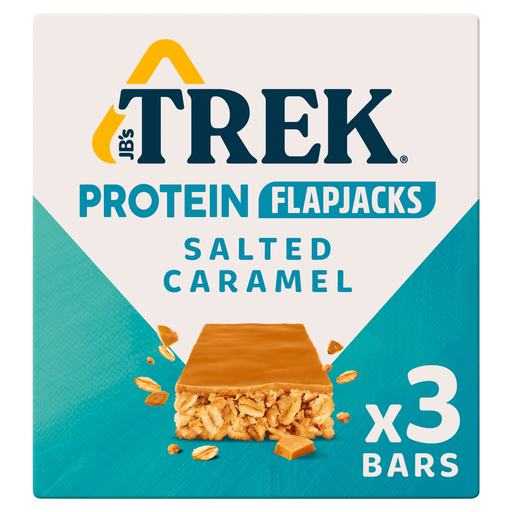
Trek Salted Caramel Protein Flapjacks, 3 × 50 g
A flapjack option for a plant-based afternoon snack, described as gluten-free. It contains soya, so check the current pack’s full ingredients and allergen statements if either requirement matters to you.
View on Joybuy
 No image available
Grenade Soft Core Double Chocolate, 12 × 50 g
A chocolate-style protein bar for a tea break if milk and soya fit your ingredient requirements. Check the current pack for other allergen statements and the polyol amount per bar when comparing it with other snacks.
View on Joybuy
 No image available
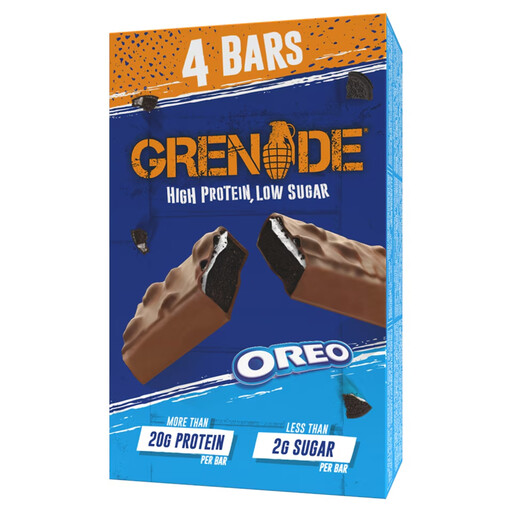
Grenade Oreo Flavour Protein Bar, 4 × 60 g
An Oreo-flavour option for shoppers comparing confectionery-style bars. Its listed ingredients include milk, soya and wheat-derived gluten; check the current pack for its complete allergen and polyol information.
View on Joybuy
 No image available
Nature Valley Protein Salted Caramel Nut, 4 × 40 g
A nut bar described as gluten-free, but not an option for avoiding its listed milk, peanut, soya or almond ingredients. Check the current wrapper’s gluten-free wording and full allergen statement for the pack you choose.
View on Joybuy
 No image available
Nature Valley Protein Peanut & Chocolate, 4 × 40 g
A peanut-and-chocolate bar described as gluten-free. Its listed allergens include milk, peanuts and soya, with a precautionary statement for other nuts; read the current wrapper before treating it as suitable for a particular avoidance need.
View on Joybuy
Questions about free-from protein bars
Does vegan mean a protein bar is gluten-free or nut-free?
No. Vegan suitability does not establish the absence of gluten or nuts. PhD lists soya protein, peanut paste and malt extract identified as gluten for its displayed Smart Plant Chocolate Peanut Brownie flavour; Barebells says its named vegan bars contain wheat protein. Check the flavour you intend to buy.
What does ‘may contain’ mean on a protein bar?
It is precautionary labelling that communicates possible unintended allergen presence, such as through cross-contact, as described in Food Standards Agency-commissioned research. If it names an allergen you need to avoid, do not treat the bar as free of that allergen merely because it is absent from the recipe ingredients.
Which ingredients should I check beyond a free-from claim?
Check for the specific ingredients relevant to you, including any precautionary statement. GOV.UK guidance identifies 14 regulated allergens, including cereals containing gluten, milk, peanuts, tree nuts, sesame and soya; other ingredients can matter to individuals too, so read the full list rather than only a front-of-pack claim.
Does low sugar tell me whether a bar contains polyols?
No. Check the bar’s nutrition information and any warning separately. Asda lists 17 g polyols per 60 g Grenade Cookie Dough bar alongside an excessive-consumption laxative-effect warning, while Barebells UK also gives an excessive-consumption warning for Caramel Choco.
Can I use a supermarket free-from category instead of reading the wrapper?
No. A category can help you browse, but the exact product’s current ingredients and precautionary statement determine whether it fits your avoidance requirements. Tesco has a free-from snack category, while its wider protein-snack listing includes named bars whose individual allergen information still needs checking.


