A protein bar can be a convenient late-night snack if its portion, protein, sugars and ingredients suit what you need, but it is not automatically a replacement for supper or a way to improve sleep. Oxford Health NHS Foundation Trust’s sleep guidance suggests a light snack when hunger is distracting and advises against a heavy meal or sugary snacks close to bedtime. Compare the complete bar, not just its high-protein claim.
Who might consider a protein bar?
A bar is most useful here as a portioned snack chosen for a specific need, rather than simply because its packaging says “high protein”.
People wanting a small late-night snack
If you are hungry but do not want a large meal close to bed, compare the energy, sugars and protein in the whole bar. Oxford Health NHS Foundation Trust’s sleep guidance distinguishes a light snack from a heavy meal near bedtime; it does not identify protein bars as sleep aids.
Adults keeping track of protein
If you count protein across the day, use the figure for the exact flavour and bar size. The named products in the PhD and Trek product information, for example, list 21g per 64g Chocolate Brownie bar and 12g per 44g Choc Caramel bar respectively.
Shoppers checking dietary suitability
If you avoid animal-derived ingredients or particular allergens, check the current label for the exact bar. Tesco labels Trek High Protein Choc Caramel suitable for vegans, but also lists soya and peanuts among its ingredients; a brand or product-family name cannot establish suitability for every flavour.
What should you check before choosing?
Start with the serving you would actually eat, then check its nutrition and ingredients against the reason you want a late-night snack.
| Priority | What to check | Your needs |
|---|
| Protein per bar |
Compare grams per complete bar and check the serving size. PhD lists 21g per 64g Chocolate Brownie bar; Myprotein lists 20g per 60g Triple Chocolate Fudge bar; Tesco lists 16g per 55g Barebells Soft Caramel Choco bar and 12g per 44g Trek Choc Caramel bar. These are different products and portion sizes. |
I want to know what one bar contributes to the protein I already plan to eat during the day, rather than relying on a front-of-pack description. |
| Portion and sugars |
Read energy and sugars for the whole bar. The named Tesco Trek bar lists 159 kcal and 1.8g sugars per 44g; PhD’s Chocolate Brownie lists 250 kcal and 1.2g sugars per 64g. A lower sugar figure alone does not tell you how substantial the serving is. |
If I only want something small before bed, the size of the bar matters as much as its protein figure. Oxford Health NHS Foundation Trust’s sleep guidance advises against heavy meals and sugary snacks late at night. |
| Fibre and sweeteners |
Check fibre and the ingredient list for the exact flavour. Myprotein lists 6.6g fibre in its 60g Triple Chocolate Fudge bar; Tesco lists 7.0g in the 55g Barebells Soft Caramel Choco bar. Myprotein, PhD and that Barebells product carry warnings about possible laxative effects from excessive consumption. |
Sweetener ingredients and the stated serving are worth checking if I know certain bars do not agree with me. I would not treat “low sugar” as a promise about digestion. |
| Ingredients and allergens |
Use the current ingredients, allergen and suitability statements for the precise product. Tesco lists milk proteins in Barebells Soft Caramel Choco and soya and peanuts in Trek Choc Caramel, alongside further possible allergen traces for each. |
I need the particular flavour to fit what I avoid; a vegan label or a brand’s general range description does not answer every allergen question. |
What is easy to overlook?
-
Assuming “high protein” means a light bedtime snack
The named products’ complete bars differ in size and energy. A protein claim does not describe the whole portion.
Read protein, energy and sugars per bar, then decide whether that serving fits the snack or supper you have in mind.
-
Looking only at the sugar figure
Myprotein and PhD product information, and Tesco’s Barebells Soft Caramel Choco listing, warn that excessive consumption may have laxative effects.
Check sweeteners and the serving statement on the exact pack, particularly if you know certain ingredients cause you discomfort.
-
Assuming every flavour has the same dietary status
Myprotein lists its Layered Protein Bar as unsuitable for vegetarians, while Tesco labels its named Trek Choc Caramel bar suitable for vegans. Both dietary statements and allergen details need to be checked for the product being purchased.
Read the current ingredients, allergen warnings and suitability wording for the precise flavour rather than relying on the range name.
Which brands offer relevant formats?
Brand ranges provide a starting point, but the nutrition and ingredients that matter at night belong to the exact bar and flavour.
Grenade
Grenade’s UK protein-bar collection includes Carb Killa and Soft Core formats in several flavours.
- Different formats give shoppers flavours and bar styles to compare.
- Check the chosen pack for its per-bar nutrition, sweeteners and allergens; a range description does not supply one nutrition profile for every flavour.
PhD
PhD’s Chocolate Brownie Smart Protein Bar lists 21g protein, 250 kcal and 1.2g sugars per 64g bar.
- The stated single-bar serving makes its protein and energy straightforward to compare with other named flavours.
- PhD warns that excessive consumption may cause laxative effects; check the ingredients and nutrition for the flavour you choose.
Myprotein
Myprotein lists 20g protein, 6.6g fibre and 212 kcal per 60g Layered Protein Bar in Triple Chocolate Fudge.
- The named flavour provides both protein and a stated fibre figure for comparison.
- Myprotein says the bar is not suitable for vegetarians, warns about excessive consumption and notes that nutrition can vary by flavour.
Barebells
Barebells has original, soft and plant-based formats. Tesco lists 16g protein and 203 kcal per 55g Soft Caramel Choco bar.
- The different formats allow comparison beyond a single bar style.
- Tesco lists milk proteins and possible allergen traces for Soft Caramel Choco; check the precise product rather than assuming every Barebells bar has the same ingredients.
Quest
Quest describes its original protein-bar range on its US site as using dairy-based proteins and sugar alcohols, with some bars containing up to 21g protein.
- The range description identifies ingredients to look for when comparing a specific Quest bar.
- For a UK purchase, rely on the exact product’s UK label for its formulation, allergens and nutrition rather than applying a US range description to every bar.
Tesco
Tesco is a retailer carrying protein bars from several brands, rather than a manufacturer of the bars discussed here.
- Its product listings allow shoppers to compare stated bar sizes, nutrition and ingredients across named products.
- Read the current physical pack as well as the listing, particularly for ingredients and allergens that may change.
Protein bars on Joybuy
These PhD and Grenade multipacks offer different bar sizes and flavours to consider for a late-night snack. Check the nutrition and ingredients for the exact bar before deciding how it fits your evening meal.
 No image available
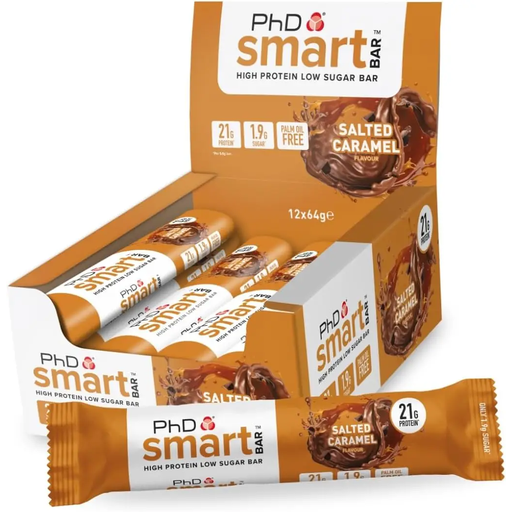
PhD Smart Protein Bar Salted Caramel, 12 × 64g
For a late-night portion, compare the nutrition per 64g bar rather than per multipack. Check this flavour’s sweeteners and allergen statement on the pack.
View on Joybuy
 No image available
PhD Smart Protein Bar Chocolate Peanut Butter, 12 × 64g
Check the precise flavour before choosing this 64g-bar multipack: the product title names Chocolate Peanut Butter, but its description names a different flavour. Use the actual pack to confirm the nutrition and allergens.
Purchase link unavailable
 No image available
Grenade Protein Bar Oreo Flavour, 4 × 60g
If you plan to eat one bar at night, compare nutrition for a single 60g serving. Check this flavour’s ingredients, sweeteners and allergens before use.
View on Joybuy
 No image available
Grenade Soft Core Double Chocolate, 12 × 50g
The 50g bar size is the relevant serving to compare with your planned evening snack. Read its own nutrition panel and check sweeteners and allergens on the pack.
View on Joybuy
 No image available
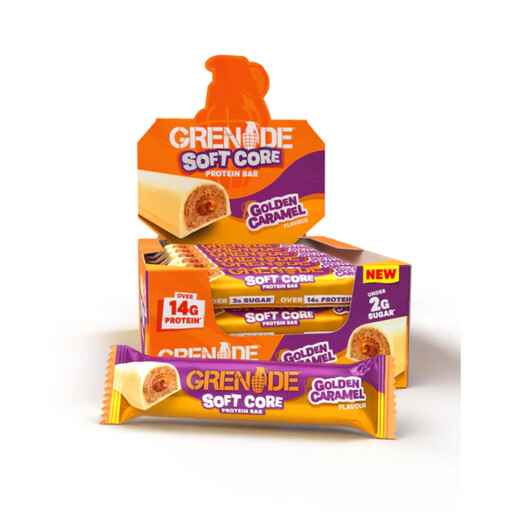
Grenade Soft Core Golden Caramel, 12 × 50g
Use the figures for one 50g bar when comparing late-night portions. Confirm this flavour’s nutrition, sweeteners and allergen information on its current label.
View on Joybuy
Questions about late-night protein bars
Can a protein bar stand in for a late-night supper?
It can serve as a convenient snack when a bar’s portion and ingredients suit you, but its high-protein label alone does not establish that it replaces a balanced supper or improves sleep. Oxford Health NHS Foundation Trust’s sleep guidance says a light snack can help when hunger is distracting and advises against heavy meals and sugary snacks near bedtime.
How much protein is in one bar?
Check the stated serving for the exact product: PhD lists 21g in its 64g Chocolate Brownie Smart Protein Bar, while Tesco lists 12g in its 44g Trek High Protein Choc Caramel bar. Those figures describe different flavours and bar sizes, not a target everyone should aim for at night.
Why might a low-sugar bar cause digestive discomfort?
A low sugar figure does not describe every sweetener in a bar. Myprotein and PhD product information, and Tesco’s Barebells Soft Caramel Choco listing, warn that excessive consumption may have laxative effects; check the exact ingredient list and serving statement if sweeteners concern you.
Can I choose a protein bar by its brand if I have allergies?
No: use the current allergen information for the exact product and flavour. Tesco lists milk proteins and possible allergen traces for Barebells Soft Caramel Choco; its Trek Choc Caramel listing names soya and peanuts and warns of possible traces of other allergens. Neither example establishes the ingredients of every bar from its brand.


