Protein-priority hosts
If protein is the main reason for bringing bars, compare the declared amount in one bar. A product name alone does not tell you how much each guest would get from a serving.


For a protein-led board game night, compare the amount per bar: TREK lists 15g for its 55g Choc Caramel High Protein bar, while Nature Valley UK lists around 10g for its 40g Protein Peanut & Chocolate bar. Before sharing either, ask guests about allergies and check the current wrappers; vegan or gluten-free labelling does not answer every allergen question.
If protein is the main reason for bringing bars, compare the declared amount in one bar. A product name alone does not tell you how much each guest would get from a serving.
Look for the dietary statement on the exact flavour and pack you plan to serve. Check its ingredients and precautionary allergen wording separately.
Ask guests about allergies before putting bars on a shared table. Recipes and precautionary warnings vary, so keep the wrappers available for guests to read.
Start with protein per bar if that drives the choice, then screen each recipe for the people who will share it.
| Priority | What to check | Your needs |
|---|---|---|
| Protein per bar | Read the protein amount for one bar, not just per 100g. Note the bar size when comparing packs; a protein-branded name is not a serving value. | Protein is the point of this snack for me, so I want to know the amount in the bar I will serve. |
| Flavour and ingredients | Compare the stated flavours and ingredient lists after screening for allergens. Nut, oat and chocolate recipes may appeal to different guests. | I want a choice guests are likely to enjoy during the game, not one selected on protein alone. |
| Dietary suitability | Check vegan or gluten-free statements on the exact pack. Read emphasised allergens and any “may contain” warnings separately. | With several guests sharing snacks, I need to know which bars each person can have before putting them out. |
| Sugars and portion | Compare total sugars per bar alongside protein and bar weight. “No added sugar” does not mean the nutrition panel will show zero sugars. | Rather than judging a bar by one front-of-pack phrase, I want to compare what is in a whole serving. |
Protein amounts and bar sizes differ. The word in a product name does not tell you how much protein is in one serving.
Compare the nutrition panels per bar before deciding whether a particular flavour meets your protein priority.
A vegan or gluten-free statement does not rule out peanuts, other nuts or soya, and precautionary warnings can differ by recipe.
Ask guests about allergies, check each current wrapper and keep unsuitable bars away from shared food.
A bar can contain sugars from its ingredients without having added sugar.
Read the total sugars per bar on the nutrition panel if that distinction matters to your choice.
These brand references describe particular bars and ranges; check the current pack for the flavour you intend to share.
TREK offers protein flapjacks as well as High Protein bars, with different amounts per serving.
Its Protein Peanut & Chocolate bar is a 40g, gluten-free option with around 10g protein, according to Nature Valley UK.
Eat Natural’s Dark Chocolate & Peanut Protein Bar is a nut-led alternative; the brand lists 7.8g protein per 40g bar.
The researched Protein Cocoa Hazelnut bar is a fruit-and-nut recipe; Tesco describes it as providing 7g plant protein and having no added sugar.
Graze also makes oat-based snacks, including the Cocoa Vanilla Oat Boost listed by Tesco as vegan and high in fibre.
These bars offer different flavours and pack sizes for a board game night. Check each current pack’s nutrition and allergen information before deciding what to share.
 No image available
A salted caramel and nut flavour to consider when offering a choice of bars. The pack contains four 40g bars; check the wrapper for protein per bar and allergen details before sharing.
 No image available
An Oreo-flavoured option sold in a pack of four 60g bars. If protein or sugars drive your choice, compare the values for one bar on the current pack rather than relying on its name; check allergens before serving.
 No image available
For a peanut-and-chocolate choice, Nature Valley UK lists around 10g protein per 40g bar and describes this recipe as gluten free. The pack contains four bars. It contains peanuts, soya and milk; read the current wrapper for all allergen warnings.
 No image available
A peanut-flavoured option in a pack of four 35g bars. Check this Peanut Delight pack’s own protein, sugars, dietary statements and allergen warnings rather than applying figures from another nākd. flavour.
 No image available
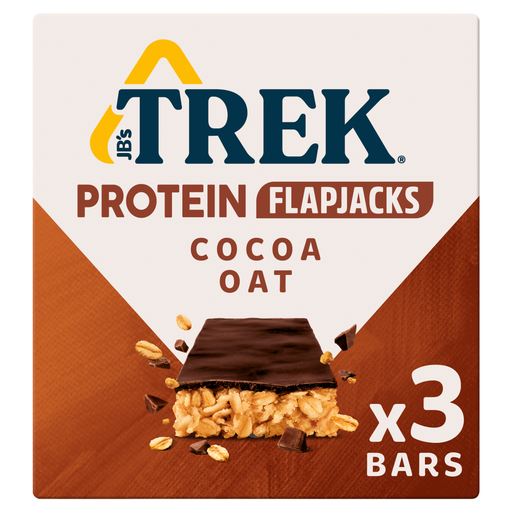
An oat-based alternative to the nut-led bars, sold as three 50g flapjacks. TREK states that the Cocoa Oat flapjack provides 9g plant protein per bar; check its current allergen and precautionary statements before putting it out.
No. Read the nutrition panel for the amount of protein in one bar and check the bar’s weight. That gives you a clearer comparison than the product name alone.
Yes. Ask guests first, then check the current ingredient list and “may contain” wording for every flavour you plan to share. The researched Nature Valley Protein Peanut & Chocolate bar, for example, contains peanuts, soya and milk.
No. A bar can contain sugars from its ingredients without added sugar. Check the total sugars per bar on the nutrition panel if you want to compare recipes.
Not automatically. Those statements address particular dietary requirements, not every ingredient or precautionary allergen warning. Check the exact recipe against each guest’s needs before serving it.