Hosts sharing with a small group
A mixed box gives guests a choice without opening and portioning bars outdoors. Myprotein’s Protein Snack Box contains seven bars and snacks, although Myprotein says the selection can vary with availability.


For a Bonfire Night group with different tastes, choose a mixed box of individually wrapped bars; if everyone wants the same flavour, a smaller multipack may be easier to plan around. Check each bar’s wrapper before sharing, especially when guests have allergies or dietary requirements, and compare protein per bar rather than relying on the words “protein bar”.
The right pack depends on whether guests want a choice of flavours, a particular serving size or bars that meet specific dietary requirements.
A mixed box gives guests a choice without opening and portioning bars outdoors. Myprotein’s Protein Snack Box contains seven bars and snacks, although Myprotein says the selection can vary with availability.
Check the serving on the exact product: Barebells lists 20 g protein per 55 g standard bar, PhD lists 21 g per 64 g Choc Brownie Smart Bar, and Tesco lists 7.6 g per 45 g nākd Peanut Butter bar. Those are different products and serving sizes, not interchangeable figures for every flavour.
Check each flavour’s ingredients and allergen statements before offering it. A vegan or gluten-free label does not answer a separate question about peanuts, milk or other allergens; Tesco’s listed nākd Peanut Butter bars, for example, contain peanuts.
Start with the guests’ dietary requirements and the number of portions you need. Then decide whether flavour choice or consistent per-bar nutrition matters more.
| Priority | What to check | Your needs |
|---|---|---|
| Allergens and diet | Read the ingredients and any “may contain” statement on each wrapper. Check dietary claims on the exact flavour, not just the brand or outer box. | If I’m sharing with guests who have dietary requirements, I need to know which specific bars they can have before handing them out. |
| Flavour choice | Check whether the pack contains named flavours or one repeated flavour. Myprotein says the contents of its seven-product Protein Snack Box may vary. | For a group with different tastes, I’d rather offer a choice; for people who already like one flavour, a same-flavour pack could work. |
| Protein per bar | Compare the protein figure with the stated bar size for the exact product. In a mixed box, check the individual wrappers rather than applying one bar’s figure to every item. | I’m choosing a bar for its stated protein content, so the amount in the portion I’ll actually hand out matters. |
| Portions to carry | Count the bars and check whether they are individually wrapped. Match the pack count to the people sharing rather than treating a larger case as a varied assortment. | At an outdoor gathering, I want portions I can carry and offer without opening or dividing unwrapped food. |
| Product warnings | Read serving information and warnings on the chosen bar. PhD’s Smart Bar and Barebells’ selection-box information warn that excessive consumption may have laxative effects. | I want guests to be able to read the information for the bar they choose, particularly when a box contains different products. |
Myprotein says its snack-box flavours can vary. A check of the outer box alone may not tell you what is in the particular bar a guest picks.
Keep the wrappers available and check the selected bar’s ingredients, nutrition and allergen wording before offering it.
Tesco lists its vegan, gluten-free nākd Peanut Butter bar as containing peanuts. Other bars can have different declared ingredients or precautionary allergen statements.
Check the guest’s actual requirement against the exact flavour’s label, including any “may contain” wording.
Tesco lists 7.6 g protein per 45 g nākd Peanut Butter bar, while Barebells lists 20 g per 55 g standard bar and PhD lists 21 g per 64 g Choc Brownie Smart Bar.
Compare the protein and serving size of each bar, then choose according to the dietary requirements and flavours that suit the group.
A same-flavour case offers no alternative to someone who dislikes that flavour. A mixed box offers choice, though its bars may differ in ingredients and nutrition.
Choose a mixed assortment when flavour choice matters, or a smaller single-flavour pack when you already know what the group wants.
These examples illustrate different pack formats and label checks; a brand’s range should not be treated as having one ingredient list or nutritional profile.
Myprotein offers mixed snack and bar boxes for shoppers who want to try different products.
Barebells’ Selection Box contains four named chocolate-style flavours.
PhD’s Smart Bar 12-pack is a same-flavour case rather than a mixed assortment.
Grenade sells individual protein bars and same-flavour multipacks.
Quest lists protein bars in a range of flavours; a UK retailer also lists a 12 × 60 g format.
Tesco lists smaller multipacks, including individually wrapped nākd Peanut Butter Protein Bars in a 3 × 45 g pack.
These are same-flavour bar packs to consider when the group already has a preferred flavour. Compare their pack counts with the number of guests, and check each product’s wrapper before sharing.
 No image available
This twelve-bar pack offers one flavour for a group that already likes Double Chocolate. Check the individual labels for ingredients and allergens before sharing.
 No image available
Choose this twelve-bar, single-flavour pack if Golden Caramel suits the people sharing it. Read the wrappers for the exact ingredient and allergen information.
 No image available
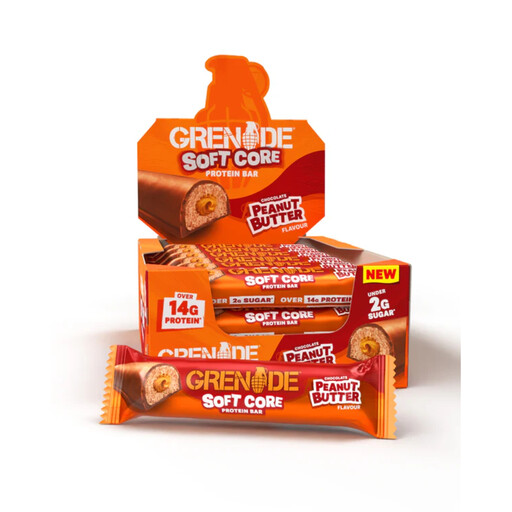
This is a twelve-bar pack of one Peanut Butter flavour, not a mixed grab bag. Check its full allergen statement with guests before offering a bar.
 No image available
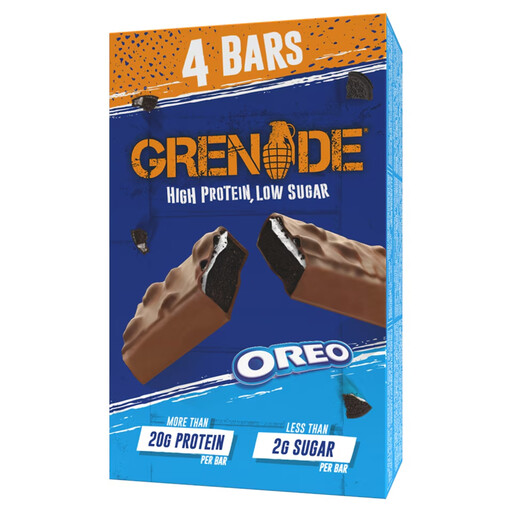
Four separate bars make this a smaller same-flavour option. Joybuy’s listing for this Oreo multipack lists milk, soya and wheat ingredients; check the physical wrapper before sharing.
 No image available
This four-bar pack is another single-flavour option for a small group. Because the named flavour includes peanut, check the complete wrapper and guests’ requirements before sharing.
Do not assume every bar is suitable. Check the exact wrapper before offering it and ask guests about their requirements. The Food Standards Agency explains that precautionary allergen wording indicates an allergen could be unintentionally present; it is not a guarantee that the food is suitable for someone with an allergy.
A mixed box gives a group more flavour choice; a same-flavour pack makes sense when you already know what the recipients like. Barebells lists four named flavours in its Selection Box, while Myprotein says the contents of its seven-product Protein Snack Box can vary. Check individual wrappers whichever format you choose.
Check the amount on the individual bar rather than assuming the products are equivalent. Tesco lists 7.6 g protein per 45 g nākd Peanut Butter bar, compared with Barebells’ 20 g per 55 g standard bar and PhD’s 21 g per 64 g Choc Brownie Smart Bar. The listed nākd bar contains peanuts, so its vegan label does not settle allergy suitability.
Use the listing to narrow your choice, then read the physical label at purchase and before sharing. Tesco advises this because formulations, nutrition and allergen information can change.
Some do. PhD’s Smart Bar information and Barebells’ selection-box information warn that excessive consumption may have laxative effects. Read the warning on the exact product rather than assuming it applies to every bar.