Campers planning a compact snack
A ready-to-eat bar can sit alongside planned meals on an active day. Compare its protein per bar with the other food you are taking, rather than assuming the bar needs to stand in for a meal.


Choose a camping protein bar by its protein per bar, ingredients and storage instructions, rather than treating a high-protein label as proof that it can replace a meal. A compact bar can supplement your planned food, but dietary suitability, allergens and polyols may matter more than the headline protein figure for a particular trip.
A ready-to-eat bar can sit alongside planned meals on an active day. Compare its protein per bar with the other food you are taking, rather than assuming the bar needs to stand in for a meal.
Check the dietary statement on the exact flavour and pack. A plant-based protein bar may still contain ingredients or allergens that rule it out for an individual shopper.
If nuts, milk, soya, gluten or polyols affect your choice, read the full wrapper before packing. Front-of-pack protein and sugar claims do not answer those questions.
Start with the amount in one bar, then check whether its ingredients and storage directions work for the food you plan to carry.
| Priority | What to check | Your needs |
|---|---|---|
| Protein per bar | Compare the stated serving size and protein per bar, not just the front-of-pack wording. Mersey Care NHS Foundation Trust notes that protein needs vary with factors including age, weight and activity. | I want to know what one bar adds to the meals I have planned, without assuming a bar replaces a meal. |
| Diet and allergens | Read the exact flavour’s ingredients, allergen statement and vegan or vegetarian information. Barebells says its bars contain nuts or may contain traces of nuts; check individual wrappers rather than applying a range-wide assumption to other ingredients. | A bar needs to fit my dietary requirements and the ingredients I can eat, even if its protein figure looks suitable. |
| Sugars and polyols | Read sugars and polyols separately on the nutrition label. PhD’s nutrition panel lists 16g polyols per 64g Smart Plant Salted Caramel bar; Myprotein warns that excessive consumption of its cited Layered Bar may produce laxative effects. | If I am sensitive to polyols, a low-sugar claim alone will not tell me whether to pack an unfamiliar bar. |
| Storage and dates | Follow the wrapper’s storage directions; Myprotein specifies a cool, dry place away from direct sunlight for its cited Layered Bar. The Food Standards Agency distinguishes best-before dates, which concern quality, from use-by dates, which concern food safety. | Before leaving, I want to check that the bars’ dates and storage directions fit my trip. |
A bar adds protein, but the figure alone does not show that it replaces a varied meal. Mersey Care NHS Foundation Trust notes that individual protein needs vary and advises including protein in balanced meals.
Plan your camping meals separately, then decide whether a bar is a useful snack alongside them.
Sugars and polyols are different lines on a nutrition panel. PhD lists 16g polyols per 64g Smart Plant Salted Caramel bar, while Myprotein warns that excessive consumption of its cited Layered Bar may produce laxative effects.
Check both lines and consider trying an unfamiliar bar before relying on it during a trip.
Myprotein says the nutrition stated for its Triple Chocolate Fudge Layered Bar may vary by flavour. A range name also does not replace the allergen information on an individual wrapper.
Check the flavour, serving size, ingredients, date and storage instructions on each pack you intend to take.
Product listings can differ in the detail they provide, and availability can change before a trip.
Use the current wrapper to confirm ingredients and nutrition, and check the listing again when you are ready to buy.
These references help identify formats and label checks; a brand’s inclusion does not establish that every flavour has the same nutrition or ingredients.
Grenade’s UK collection includes Carb Killa and Soft Core protein bars in several flavours and pack formats.
PhD offers standard Smart Bars and Smart Plant Bars for shoppers comparing conventional and vegan-labelled options.
Myprotein’s Layered Bar is an option for shoppers who want a specified serving size and storage directions.
Barebells presents its Raspberry Cream bar as a confectionery-style option available in the UK and Ireland.
Quest bars are another format to compare by the nutrition and ingredients of the UK-listed flavour.
Tesco is a shopping channel rather than a single protein-bar manufacturer; its category listing includes several brands and formats.
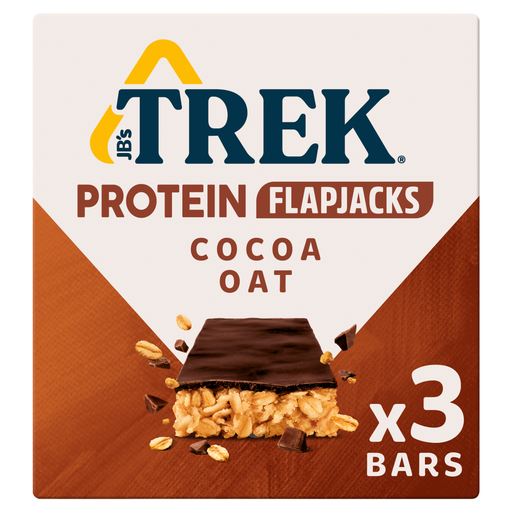
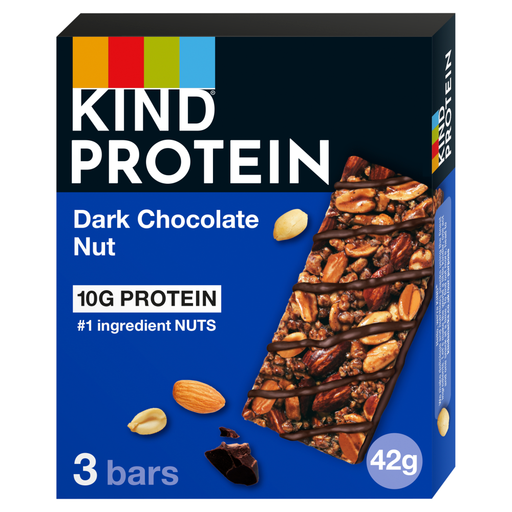
These Joybuy options include Grenade protein bars, a Trek oat flapjack and KIND nut bars. Compare the protein stated on each current pack before choosing: the formats and pack sizes differ, and this list is not a like-for-like ranking by protein content.
 No image available
The four-bar pack offers individually sized snacks to portion across a camping trip. Check the Oreo flavour’s wrapper for protein per bar, allergens, polyols and storage directions.
 No image available
This twelve-pack contains 50g Double Chocolate bars, so consider how many you need to carry. Check protein and polyols per bar, along with the exact pack’s allergen and storage information.
 No image available
The Peanut Butter flavour makes the exact ingredient and allergen label particularly important for anyone avoiding peanuts. The pack contains twelve 50g bars; compare protein and polyols per bar before taking them away.
 No image available
Choose this oat flapjack format if that is the kind of camping snack you want, then compare its protein per 50g bar with your other options. Check the current pack for dietary suitability, allergens and storage directions.
 No image available
This three-pack contains 42g dark chocolate nut bars; check the exact nut and allergen information if those ingredients affect your choice. Compare protein per bar with the other snacks you plan to pack.
There is no single per-bar amount that suits every camper. Compare the label’s protein per serving with the meals you have planned; Mersey Care NHS Foundation Trust notes that protein needs vary with age, weight and activity. A bar can supplement food without replacing a meal.
No. Read the polyol line as well as sugars, particularly if polyols affect you. PhD’s Smart Plant Salted Caramel nutrition panel lists 16g polyols per 64g bar, and Myprotein warns that excessive consumption of its cited Layered Bar may produce laxative effects.
Yes, if the exact bar is labelled suitable for vegans and its ingredients work for that person. PhD describes its Smart Plant bar as suitable for vegans and vegetarians, but dietary status does not replace a check of the current wrapper’s allergens and nutrition.
Read each wrapper’s date and storage instructions before packing. The Food Standards Agency says best-before dates concern quality, whereas use-by dates concern food safety. Myprotein directs shoppers to keep its cited Layered Bar cool and dry, away from direct sunlight.
No. Use the exact bar’s ingredients and allergen statement, including any precautionary wording. Barebells says its bars contain nuts or may contain traces of nuts, but individual flavour labels remain the place to check the ingredients of the bar you intend to pack.