What should you check first?
Screen the exact bar for gluten suitability before comparing its protein content or other snack preferences. A claim for one flavour should not be carried over to another product in the range.
| Priority |
What to check |
Your needs |
| Gluten suitability |
Look for a gluten-free claim on the exact pack or the Crossed Grain Trademark. The Food Standards Agency states that food labelled gluten-free must contain no more than 20 mg/kg gluten as sold to the consumer. Check any precautionary warning for cereals containing gluten too. |
I need a clear basis for choosing a bar for a gluten-free diet, not an assumption drawn from the front-of-pack protein claim. |
| Exact flavour |
Read the current ingredients and warnings for the flavour and pack size you are buying. A vegan label does not establish gluten status: Myprotein lists wheat flour and malted wheat flour in Vegan Carb Crusher. |
A bar I have chosen before may have a different recipe or warning from another flavour, so I want to check this pack. |
| Protein and nutrition |
Once gluten suitability is established, compare protein per bar and serving size. Read the stated fibre, sugar and sweetener information if those details affect your choice. |
For a snack after the gym, I want to compare the amount in the bar I will actually eat rather than rely on a broad high-protein description. |
| Other restrictions |
Check declared ingredients and precautionary statements for milk, peanuts, other nuts and soya where relevant. Assess vegan or dairy-free wording separately from the gluten-free claim. |
Gluten is not my only consideration; I need the exact bar to meet my other ingredient requirements as well. |
Brand and retailer references
Ranges and retailer categories can help you find candidates, but the exact product’s current labelling determines what you can check before buying.
Grenade
Grenade offers Carb Killa and Soft Core protein-bar ranges in a variety of flavours.
- The range gives you several individual bars to investigate.
- Its collection page does not establish gluten-free suitability for every flavour. Check the exact pack rather than relying on the range description.
PhD
PhD lists Smart Protein Bar and Smart Plant Protein Bar multipacks.
- The two ranges give shoppers distinct products to check.
- Do not infer gluten-free suitability from either range name; read the chosen flavour’s current claim, ingredients and precautionary statement.
Myprotein
Myprotein’s UK shop lists both its own bars and third-party products, so product-level differences matter.
- Its Pulsin Keto Bar listing states gluten-free, dairy-free and vegan, with 12 g plant protein per bar.
- Its separate Vegan Carb Crusher listing includes wheat flour and malted wheat flour. A vegan label or retailer category cannot stand in for a gluten check.
Quest
Quest Nutrition describes its protein-bar collection as gluten free and says its OG Protein Bars contain up to 21 g protein per bar.
- The brand’s collection provides a product-line claim to investigate.
- For a UK purchase, check the exact flavour’s current pack, ingredients and warnings rather than treating the collection page as its pack label.
Barebells
Barebells offers Original, Soft and Vegan protein-bar ranges, with different gluten information across products.
- Its product pages give flavour-specific details to check.
- Barebells says Vegan Protein Bar Caramel Peanut contains wheat protein. Its Salted Peanut Caramel page carries a “may contain cereals containing gluten” warning; do not select that bar for coeliac shopping on the basis of the brand alone.
Tesco
Tesco lists gluten-free snacks alongside other grocery products and Marketplace listings.
- Its KIND Caramel Nut protein-bar multipack listing describes the bars as gluten free and states 12 g protein per bar.
- That listing is a Marketplace offer. Check the current product information, pack and seller details for the item you intend to order.
Protein bars and flapjacks on Joybuy
These options include protein bars and a protein flapjack. For coeliac shopping, check the current pack of the exact flavour for its gluten-free claim, ingredients and cereal warnings before choosing.
 No image available
Nature Valley Protein Peanut & Chocolate Bar, 4 x 40 g
For a portable peanut and chocolate bar, confirm the exact pack’s gluten-free claim before treating it as a coeliac option. Check its peanut, soya and milk information, including any warning about other nuts.
View on Joybuy
 No image available
Nature Valley Protein Salted Caramel Nut Bar, 4 x 40 g
If salted caramel and nuts appeal, check this flavour’s current gluten-free labelling rather than applying information from another Nature Valley bar. Read the pack for peanuts, almonds, soya and milk if those ingredients matter to you.
View on Joybuy
 No image available
Trek Salted Caramel Protein Flapjacks, 3 x 50 g
If you prefer a flapjack to a bar, check the exact pack for a gluten-free claim and its cereal precautionary statement. Also read its soya information and any warnings concerning peanuts, other nuts or milk.
View on Joybuy
 No image available
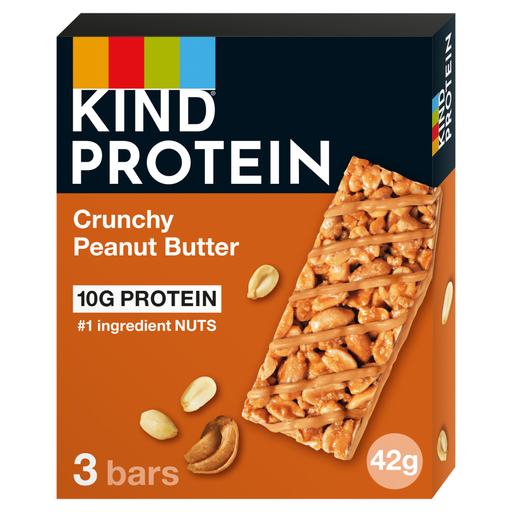
KIND Protein Crunchy Peanut Butter, 3 x 42 g
For this peanut-butter bar, do not assume that a different KIND product’s gluten-free claim applies. Check this pack’s claim, ingredients and cereal warnings, as well as its peanut, soya and tree-nut information.
View on Joybuy
 No image available
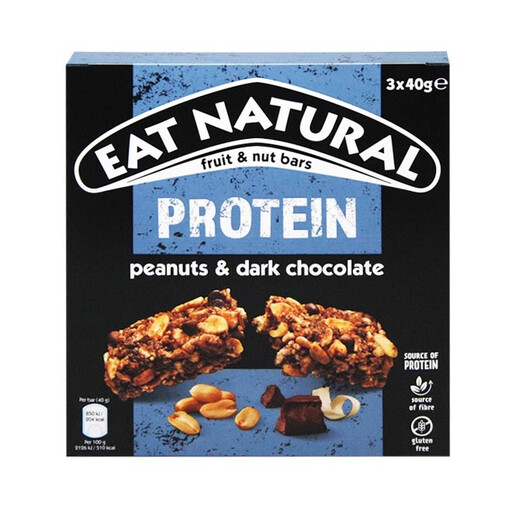
Eat Natural Protein-Packed Peanuts & Chocolate, 3 x 40 g
If you are considering this peanuts and chocolate bar for coeliac shopping, establish its suitability from the current pack rather than its protein-focused name. Check the gluten information and the declarations for peanuts, other nuts, milk and soya.
View on Joybuy
Common questions
Does “gluten free” have a defined meaning on UK food labels?
Yes. The Food Standards Agency states that food labelled gluten-free must contain no more than 20 mg/kg gluten as sold to the final consumer. Check that the claim belongs to the exact bar you are buying, rather than another flavour or product in its range.
Can I choose a protein bar without a gluten-free claim?
It calls for a closer check of the exact product. Coeliac UK advises that, when there is no gluten-free claim, the pack should have no precautionary allergen statement for cereals containing gluten. If that warning appears, do not choose the bar for a gluten-free diet.
Does “may contain cereals containing gluten” mean gluten is an ingredient?
Not necessarily: precautionary wording concerns possible unintended presence. For a bar without a gluten-free claim, Coeliac UK advises against choosing it for a gluten-free diet when that cereal warning is on the pack.
Are vegan protein bars gluten free?
Not automatically. Myprotein’s Vegan Carb Crusher lists wheat flour and malted wheat flour, while its separate Pulsin Keto Bar listing states gluten-free and vegan. Check the exact product rather than using “vegan” as a gluten-free claim.
What does the Crossed Grain Trademark add?
It identifies certified products that, according to Coeliac UK, undergo extra checks including review of gluten-analysis certificates and independent manufacturing audits. Read the exact pack as well if you need to check milk, nuts, soya or other ingredients.


