Office and commuting snack planners
A bar is easy to carry for a planned break. Compare the nutrition for the whole bar you intend to eat, especially when pack sizes differ.


Choose a mid-morning protein bar by comparing protein and the rest of the nutrition information for the whole bar, rather than relying on a front-of-pack claim. If you need a vegan option or must avoid particular allergens, check the exact flavour’s ingredients and advisory statements; bars with similar protein amounts can differ in serving size and other nutrients.
A bar is easy to carry for a planned break. Compare the nutrition for the whole bar you intend to eat, especially when pack sizes differ.
For a between-meal snack, check the stated protein per bar alongside energy and ingredients. A protein bar is still a snack, not an automatic substitute for a meal.
Check the exact variant’s vegan statement, ingredient list and allergen wording. Plant-based recipes can contain soy, wheat or peanuts, while advisory statements may identify other relevant allergens.
Start with the whole-bar serving, then use the per-100g figures to compare bars of different sizes on the same basis.
| Priority | What to check | Your needs |
|---|---|---|
| Protein per bar | Read the grams of protein and serving weight for the exact flavour. A front-of-pack protein claim does not tell you that every bar contains the same number of grams. | I want to know how much protein is in the bar I will actually eat, not just whether its packaging calls it high protein. |
| Energy and other nutrients | Compare kcal, saturates, sugars and salt for the whole bar. Use per-100g values when comparing bars of different sizes; the NHS explains both label formats in its food-label guidance. | For a mid-morning break, I want to see the full serving’s nutrition before choosing between flavours or pack sizes. |
| Dietary suitability and allergens | Check the vegan statement where relevant, then read the exact pack’s ingredients, highlighted allergens and any may-contain wording. Do not treat a plant-based label as an allergen-free claim. | If milk, soy, wheat, peanuts or nuts matter to me, I need information for this particular recipe rather than a general description of the range. |
| Sweeteners and polyols | Read the ingredients and any warning about excessive consumption. PhD lists 16g of polyols in its Smart Plant Salted Caramel 64g bar, illustrating why the exact recipe matters. | I would rather check a bar’s sweeteners and warning before buying several of the same flavour. |
| Fibre | Look for the stated fibre amount for the same serving used in your other comparisons. Myprotein lists 10g per 60g Vegan Carb Crusher bar; do not assume that figure applies to its other bars. | When comparing plant-based options, I want to see the fibre figure for the bar I am considering alongside its protein and other nutrients. |
Bars can have different serving weights and differ in energy, saturates, sugars and salt even when their protein figures look similar.
Compare the complete nutrition information per bar first, then use per-100g values for a like-for-like comparison of differently sized bars.
A vegan recipe can contain ingredients such as soy, wheat or peanuts. Myprotein’s Vegan Carb Crusher also carries a warning that it is not suitable for people with peanut or nut allergies.
Read the ingredient list and allergen and may-contain statements for the exact flavour each time you buy it.
Some bars contain polyols and carry an excessive-consumption laxative-effect warning. PhD lists 16g of polyols in its Smart Plant Salted Caramel bar.
Check the ingredients and pack warning for the chosen recipe before committing to a multipack.
A brand’s global range information may describe a different variant from the one on a UK shelf.
For an imported or globally sold bar, use the exact UK product listing and the pack label to check ingredients, nutrition and dietary statements.
Grenade describes its UK protein-bar range as containing over 20g of protein per bar.
PhD lists both Smart Bar and vegan-labelled Smart Plant bars. Its Choc Brownie Smart Bar and Salted Caramel Smart Plant examples each list 21g of protein per 64g bar.
Myprotein lists different bar formats, including a Soft Protein Bar with 16g of protein per bar and a Vegan Carb Crusher with 16g per 60g bar.
Barebells UK lists 20g of protein and 190 kcal per 55g Cookies & Cream Original bar.
Quest Nutrition describes its original protein bars on a global product page as dairy-protein bars containing up to 21g of protein per bar.
Tesco is a retailer, not a single protein-bar manufacturer. Its UK protein-bar category includes products from several brands.
These Joybuy bars include different flavours and pack sizes for a planned mid-morning snack. Compare the exact pack’s per-bar nutrition and ingredients before choosing, particularly if protein amount or allergens are decisive for you.
 No image available
For a mid-morning bar, compare the nutrition for one 60g serving with the other flavours you are considering. This pack contains four bars; check its exact ingredients and allergen statement before purchase.
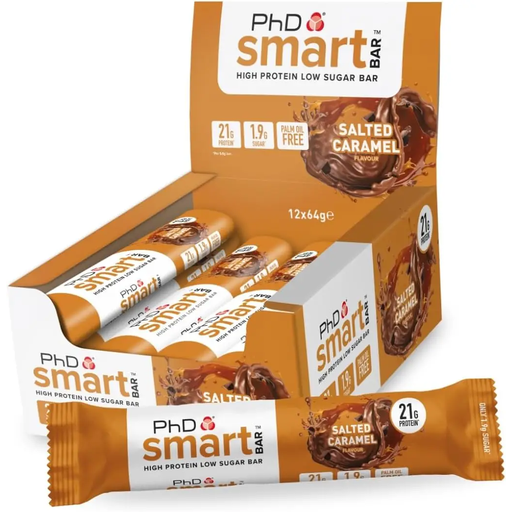 No image available
If you are considering this flavour for a regular mid-morning snack, check the nutrition and ingredients for the exact 64g bar before buying a pack of twelve. If you need a vegan bar, confirm that this particular product is labelled suitable for vegans rather than relying on the Smart name alone.
 No image available
For a chocolate-and-peanut-butter-flavour mid-morning snack, compare the whole-bar nutrition with bars of other serving sizes. The pack contains twelve 64g bars; read its exact allergen and may-contain wording if peanuts or other allergens are relevant to you.
 No image available
If a 50g chocolate-flavour bar suits your snack plans, use its whole-bar protein and energy figures when comparing it with larger bars. This pack contains twelve bars; check the specific recipe’s ingredients and allergen statement.
 No image available
For a smaller mid-morning serving, compare the nutrition for one 40g bar rather than assuming it matches a larger protein bar. The pack contains four bars; because the flavour includes peanut, check the full allergen and advisory wording if allergies affect your choice.
Use both: per-bar figures describe the serving you plan to eat, while per-100g figures give differently sized bars a common comparison basis. The NHS explains that pre-packed food labels give nutrition information per 100g or 100ml and sometimes per portion.
No. Check protein alongside energy, saturates, sugars and salt for the whole bar, then read the ingredients. Those figures can differ between products and flavours, so the name alone cannot settle the comparison.
Yes. Myprotein lists wheat and soy in its Vegan Carb Crusher and says it is not suitable for people with peanut and nut allergies. Check the exact pack’s ingredients, highlighted allergens and advisory wording before choosing a vegan bar when an allergy is involved.
Some bars contain sweeteners or polyols and carry a laxative-effect warning. PhD lists 16g of polyols per bar for Smart Plant Salted Caramel; read the warning and ingredients of the exact product you intend to buy.
Read the ingredient list, highlighted allergens and any may-contain statement on the exact pack. GOV.UK’s guidance on food allergen information explains the importance of identifying allergens in pre-packed food; do not rely on a brand-wide or flavour-family description when checking a particular bar.