What should you check?
Decide when you intend to eat the bar, then compare values for one bar rather than relying on its front-of-pack description.
Food for a demanding ride
Choose when: You need regular food and drink during a long or performance-focused ride.
Trade-off: Science in Sport notes that bars containing fibre and protein can be harder to digest than gels; test any solid bar in training rather than making it your only ride fuel.
A snack after riding
Choose when: You want something portable after intense or prolonged exercise and a meal is not immediately practical.
Trade-off: A protein claim alone does not tell you the bar’s carbohydrate contribution or replace the fluids and meal in UK Sports Institute recovery guidance.
| Priority | What to check | Your needs |
|---|
| On-bike food |
Read the carbohydrate grams per bar and consider how it fits food and drink across the ride. Try the exact bar in training; British Cycling notes that tolerance is individual. |
For a long or hard ride, I need food I can eat regularly and tolerate while cycling, rather than choosing by protein content alone. |
| Post-ride snack |
Compare protein and carbohydrate per bar, and consider access to fluids and your next meal. The UK Sports Institute’s advice concerns intense or prolonged exercise. |
If a meal is delayed after a demanding ride, I want a portable snack containing both carbohydrate and protein. |
| Serving size |
Check values for one bar, not just per 100 g or per multipack. Compare carbohydrate, protein and fibre on the same serving basis. |
I want to know what the individual bar contributes before deciding whether it belongs in my ride bag or is simply an everyday snack. |
| Ingredients |
Read the current ingredients, emphasised allergens and any precautionary wording for the exact flavour and pack. |
A protein label is no use to me if the bar contains an ingredient I must avoid. |
Brand references
These examples help frame label checks; a brand name alone does not establish the nutrition or ingredients of every bar it sells.
Nature Valley
Nature Valley states that its Protein Peanut & Chocolate bar provides 10 g of protein and around 4 g of fibre per bar.
- The manufacturer identifies roasted peanuts and isolated soya protein as protein sources.
- Check the exact pack’s allergens and carbohydrate value before choosing it for a ride; the stated protein amount does not establish its role as on-bike fuel.
Eat Natural
Eat Natural describes a peanut and dark-chocolate protein bar containing soya. A Costco UK listing for an Eat Natural Peanut & Chocolate product states 10 g protein per 45 g bar.
- The named retailer listing gives a per-bar protein figure for its specified product.
- Peanuts and possible other allergens require a check of the exact pack; do not transfer the retailer figure to another flavour or pack.
Kellogg’s
Kellogg’s describes its Special K Protein Cereal Bar line as made with plant-based ingredients such as soya and seeds.
- A Tesco listing identifies an Almond & Salted Caramel bar in the line as a peanut-and-almond bar with milk chocolate.
- Check protein per bar and the allergen list on the exact Special K product rather than applying a line-wide description to every flavour.
Graze
Graze sells oat flapjacks and describes different snacks in terms of attributes that can include plant protein or fibre.
- Its range gives shoppers cereal-based snack formats to compare.
- Check the individual flapjack or bar’s protein, carbohydrate and ingredients; the brand’s range description is not a specification for a particular cycling snack.
Alpen
Alpen’s named UK product material describes wholegrain muesli, a different format from the individual bars considered here.
- Its muesli is relevant when comparing a cereal-based breakfast with a portable snack.
- Do not infer a bar’s protein content from Alpen Original Muesli; check the label of any specific bar you are considering.
Joybuy bar options
These Joybuy listings cover protein bars, nut bars and a protein flapjack that a cyclist might compare for a portable snack. For on-bike use, check carbohydrate per bar and try the food in training; the products are not a substitute for planning food and drink across a demanding ride.
 No image available
Grenade Soft Core Golden Caramel Protein Bars, 12 × 50 g
A protein-bar format to consider as a portable snack after a ride. The title specifies twelve 50 g bars; check the current per-bar carbohydrate and protein values and the ingredients before choosing it for your needs.
View on Joybuy
 No image available
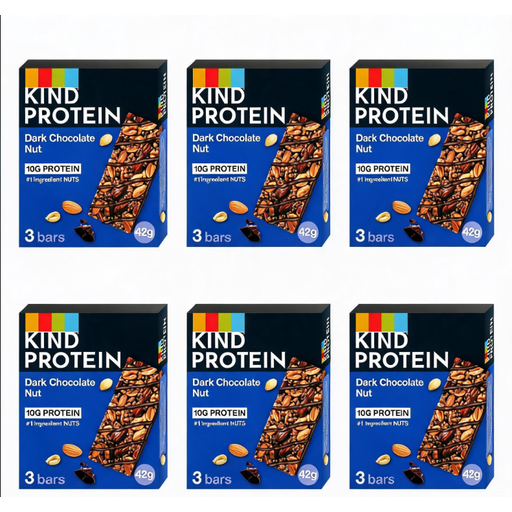
KIND Protein Dark Chocolate Nut Bars, 3 × 42 g × 6
A nut-bar option for someone comparing portable snacks after cycling. The listing title specifies 42 g bars; check the exact pack for protein, carbohydrate and nut allergens, especially if you might also eat one during a ride.
View on Joybuy
 No image available
Nature Valley Protein Salted Caramel Nut Bars, 4 × 40 g
Four individually sized bars offer a format to compare for a post-ride snack. Read this Salted Caramel Nut variant’s own nutrition panel and allergens; figures for Nature Valley Peanut & Chocolate should not be applied to it.
View on Joybuy
 No image available
Nature Valley Protein Peanut & Chocolate Cereal Bars, 8 × 40 g
A cereal-bar option for a portable snack after riding. Nature Valley states that its Peanut & Chocolate bar provides 10 g protein per bar; check this pack’s current carbohydrate value and ingredients, particularly if peanuts or soya are relevant to you.
View on Joybuy
 No image available
Trek Salted Caramel Protein Flapjacks, 3 × 50 g
A flapjack format to assess if you prefer a solid bar during a ride or want a snack afterwards. The title specifies three 50 g bars; compare carbohydrate per flapjack with your ride plan and try it in training before relying on it while cycling.
View on Joybuy
Questions about cycling bars
Should I use a high-protein cereal bar as my only food on a long ride?
No: protein content alone does not establish how the bar fits your on-bike carbohydrate plan. British Cycling advises practising intended event food in training, while Science in Sport notes that bars containing fibre and protein can be harder to digest than gels.
When might a protein-containing bar be useful after cycling?
It can be a portable snack after intense or prolonged exercise when a meal is not immediately practical. The UK Sports Institute advises a carbohydrate- and protein-rich snack with fluids as soon as possible after such exercise, followed by a full meal within two hours; check whether the particular bar contains both nutrients.
Which allergens should I check in peanut protein bars?
Check peanuts and soya, as well as milk, other nuts and any precautionary wording on the exact product. The named Nature Valley Peanut & Chocolate and Eat Natural peanut examples have different ingredient information, so neither label should stand in for another bar or flavour.
Does a protein-focused brand name tell me whether a bar fits my ride?
No. Compare the individual bar’s serving size, carbohydrate, protein, fibre and ingredients for the time you intend to eat it. A post-ride snack choice does not automatically become suitable on-bike food, particularly if you have not tried that bar during training.


