People fitting a snack between meetings
If you expect to eat one bar, compare protein per individual bar rather than relying on the word ‘protein’ on the front of the pack. Bar sizes differ, so the serving you actually eat matters.


Start with the protein in the individual bar you plan to eat, then compare its fibre, sugars, saturates and ingredients. TREK states that its High Protein range provides 15g of protein per bar, but the TREK flapjacks listed below are a different range. A protein figure alone cannot tell you whether a bar meets everything you want from lunch.
The useful comparison depends on whether protein per bar, dietary suitability or the ingredient list matters most for your desk snack.
If you expect to eat one bar, compare protein per individual bar rather than relying on the word ‘protein’ on the front of the pack. Bar sizes differ, so the serving you actually eat matters.
TREK describes its bars as plant-based, while the specific Nature Valley and Eat Natural protein bars described by their makers are gluten-free. Check the exact flavour and pack: these descriptions address different dietary requirements.
Peanuts, other nuts, milk and soya appear in the ingredients or precautionary statements for several of the bars discussed here. The current pack for your chosen flavour is the place to check what applies to it.
Use the amount in one bar to judge your desk portion, then use the wider nutrition panel and ingredient list to decide whether that particular flavour fits your needs.
| Priority | What to check | Your needs |
|---|---|---|
| Protein per bar | Read the grams of protein in one bar and its weight. Keep TREK’s High Protein bars separate from its Protein Flapjacks: TREK states 15g per bar for the former and 9g for the latter. | If I plan to eat one bar at my desk, I want to know what that one portion provides—not a figure for several bars. |
| Wider nutrition | Compare fibre, sugars, saturates and energy alongside protein. Check both per-bar and per-100g figures when bar weights differ; the NHS explains that the labelled portion may not be the amount you eat. | Protein matters to me, but I also want to compare the rest of the nutrition panel before choosing a flavour. |
| Ingredients and allergens | Read the exact flavour’s ingredients and allergen statement, including any ‘may contain’ wording. A gluten-free description does not answer questions about nuts, milk or soya. | I need a bar that fits my ingredient restrictions, so a claim on the front of the pack is not enough. |
| Dietary suitability | Check the selected product rather than extending a range-level description to every dietary requirement. TREK describes its bars as plant-based; the identified Nature Valley protein recipes contain milk. | For a plant-based choice, I would check the particular bar’s ingredients as well as its protein figure. |
| Place in lunch | Consider what else you plan to eat. The NHS Eatwell Guide describes dietary balance over a day or week, not as something established by one nutrient claim on one food. | Sometimes a bar is my quick snack; if it is part of lunch, I can judge it alongside the other food I have planned. |
Bars with protein-focused names can still differ in sugars, saturates, fibre and energy. Protein alone does not describe the whole bar or the rest of your lunch.
Compare the full nutrition panel, and decide whether you want the bar as a snack or as one part of a meal.
The identified Nature Valley protein recipes are described as gluten-free but contain peanuts, soya and milk, and may contain tree nuts.
If you need to avoid an ingredient, check the current pack for the exact flavour, including its precautionary allergen statement.
A figure per 100g helps compare products of different weights, but it is not the amount in a 35g, 40g or 50g bar.
Use per-bar figures for the portion you expect to eat, with per-100g figures as a second comparison.
Weetabix Cereals lists 1.7g protein per 28g serving for Alpen Fruit & Nut. TREK states 9g per bar for its Protein Flapjacks; these are different products and portions.
If protein per bar is your main criterion, read the amount for the specific bar before choosing between a standard cereal bar and a protein-focused one.
A brand name does not give every flavour the same nutrition or ingredient list. These references concern the particular ranges and products described here, not every bar a brand makes.
TREK separates its High Protein bars from its Protein Flapjacks, a distinction worth keeping when comparing a single desk snack.
Its identified 40g Protein bars provide around 10g protein and around 4g fibre per bar, according to Nature Valley UK.
The relevant product is the High Protein Almond & Salted Caramel cereal bar, rather than Kellogg’s cereal bars as a whole.
Eat Natural’s peanut-and-dark-chocolate protein bar offers a 40g portion for comparison with other individually sized bars.
Alpen Fruit & Nut is a standard cereal-bar reference when comparing a protein-focused snack with another bar format.
Graze’s oat flapjacks provide another snack format to consider, rather than a protein-per-bar comparison with the specific bars above.
These Joybuy options include nut bars and TREK protein flapjacks for the quick desk-snack decision. Compare each pack’s own portion and ingredients; the TREK flapjacks here are not TREK’s separate High Protein bars.
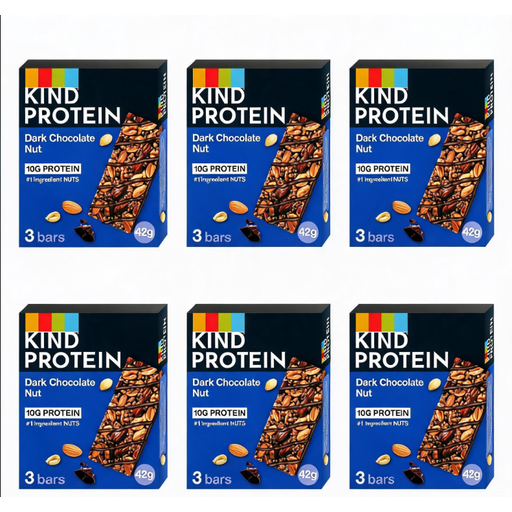 No image available
For a single-bar desk snack, compare the nutrition figures for one 42g bar and check the ingredients of this dark-chocolate nut variety before choosing it.
 No image available
This 40g-bar format suits a comparison by individual desk portion. Nature Valley UK describes its Protein bars as providing around 10g protein and around 4g fibre per 40g bar. The identified Peanut & Chocolate recipe contains peanuts, soya and milk and may contain tree nuts.
 No image available
This is another 40g-bar choice when you want to compare the portion you would eat at your desk. Nature Valley UK describes its Protein bars as providing around 10g protein and around 4g fibre per 40g bar. The identified Salted Caramel Nut recipe contains peanuts, soya and milk and may contain tree nuts.
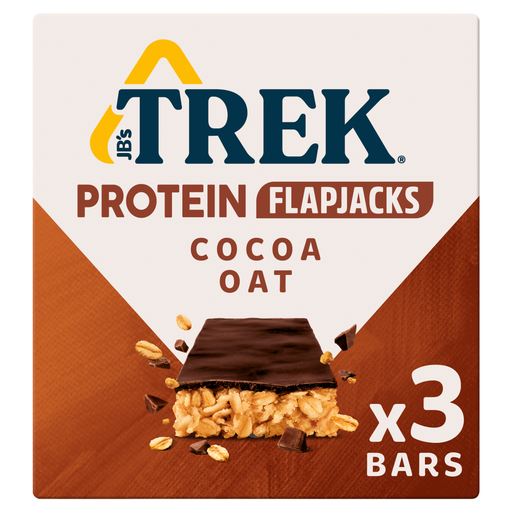 No image available
If an oat flapjack appeals for your desk snack, this pack contains three 50g portions. TREK states that its Protein Flapjacks provide 9g protein per bar and describes its bars as plant-based. Check this flavour’s nutrition and allergen panel rather than using figures from TREK’s separate High Protein range.
 No image available
This salted-caramel pack also contains three 50g flapjacks. TREK states 9g protein per bar for its Protein Flapjack range and describes its bars as plant-based. Compare this flavour’s own nutrition and allergen panel with the cocoa version if those details affect your choice.
A protein claim alone cannot establish that a bar covers everything you want from lunch. The NHS Eatwell Guide considers dietary balance across a day or week, so judge the bar alongside whatever else you plan to eat.
Check the exact flavour’s current ingredients and allergen statement, particularly for peanuts, other nuts, soya and milk. The identified Nature Valley Protein recipes contain peanuts, soya and milk; the Eat Natural peanut-and-dark-chocolate bar contains peanuts and soya; and the identified Kellogg’s bar contains peanuts, milk, soya and almonds. Precautionary warnings differ by product.
Use per-bar figures to see what the portion you intend to eat provides, then use per-100g figures for a like-for-like comparison between different weights. The NHS notes that a manufacturer’s stated portion may differ from the amount you actually eat.