Students choosing a revision-break snack
If you want a portable sweet snack between study sessions, compare the protein figure and serving size alongside the ingredients. A protein bar is a snack choice, not a measure of how well you will study.


Choose a revision-break protein bar by the protein declared per bar, its serving size and whether its ingredients suit you—not by an expectation that it will improve concentration. For example, PhD lists 21–22g protein in the reviewed 64g Smart Bar flavours, while Grenade lists 21g in its 60g Caramel Chaos bar; check the exact flavour’s label for allergens and consumption warnings before committing to a multipack.
If you want a portable sweet snack between study sessions, compare the protein figure and serving size alongside the ingredients. A protein bar is a snack choice, not a measure of how well you will study.
If sugar content matters to you, read the figure for the exact flavour as well as its ingredients and any warning about excessive consumption. A low sugar figure does not tell you which sweeteners a bar uses.
If you need to avoid milk, soy, nuts, wheat or gluten, check the exact bar’s ingredient and precautionary allergen statements. Another flavour from the same brand may have a different label.
Start with the exact bar’s serving size and label, then decide whether trying one flavour before buying a multipack matters to you.
| Priority | What to check | Your needs |
|---|---|---|
| Protein per bar | Compare declared protein and serving weight for the exact flavour. PhD lists 21–22g in the reviewed 64g Smart Bars; Grenade lists 21g in its 60g Caramel Chaos bar, and Myprotein lists 16g in its Soft Protein Bar. | I want to know how much protein I get from the bar I would actually eat, rather than comparing front-of-pack wording alone. |
| Sugar and sweeteners | Read sugar per bar, the ingredient list and any consumption warning. Grenade’s Caramel Chaos lists 1.5g sugar per 60g bar and warns that excessive consumption may cause laxative effects. | A lower sugar figure matters to me, but I also want to check the formulation before buying a whole box. |
| Allergens | Check ingredients and precautionary wording on the exact flavour. The Food Standards Agency explains that a ‘may contain’ statement communicates possible unintended allergen presence. | If I must avoid an ingredient, I cannot rely on another flavour’s label or a general claim about the brand. |
| Pack commitment | Check whether you are choosing an individual bar or a multipack, and confirm the flavour and current label before ordering. | I would rather try a flavour and check how it suits me before committing to several bars. |
The reviewed manufacturer and retailer listings declare different amounts per bar, and their serving sizes are not all the same.
Compare grams of protein and bar weight for the exact flavour before choosing a multipack.
Grenade Caramel Chaos and PhD Smart Bar carry warnings that excessive consumption may cause laxative effects. A sugar figure alone does not convey that warning.
Read the ingredients and pack warning, and consider trying one bar before buying or eating several.
The Food Standards Agency explains that precautionary allergen wording signals possible unintended allergen presence; it is different from the list of ingredients intentionally used.
If you need to avoid an allergen, check the current label of the exact product and flavour rather than assuming another bar from the brand has the same status.
These examples illustrate why it is worth comparing named bars and flavours rather than treating a brand’s whole range as nutritionally identical.
PhD’s reviewed Smart Bar flavours are 64g bars intended as between-meal snacks.
Grenade’s reviewed Caramel Chaos is a 60g chocolate-coated protein bar.
The reviewed Quest Chocolate Brownie bar appears in a UK retailer listing as a 60g product.
Barebells offers several protein-bar formats, including a vegan range.
Myprotein presents its Soft Protein Bar as a chocolate-bar-style snack.
Tesco’s protein-bar category brings together products from different brands and formats.
These Grenade and PhD bars offer chocolate-style and caramel-flavoured options for a revision break. The listed products include both 50g and 64g bars, so check the exact pack label when comparing protein, sugar and allergens.
 No image available
A four-bar pack for someone who wants this flavour without choosing a 12-bar box. Check the exact label for protein, sugar, ingredients and consumption warnings.
 No image available
A 12-bar pack for shoppers who have settled on this flavour. Compare its own nutrition and allergen label rather than applying figures from other PhD Smart Bar flavours.
 No image available
This 12-bar salted caramel pack offers a different flavour choice from the PhD chocolate peanut butter pack. Check this variant’s label, including any age guidance, before choosing it for a younger student.
 No image available
These are 50g bars in a 12-pack, rather than the 60g Grenade bars discussed elsewhere in this article. Compare protein per bar and check the exact ingredients and age guidance before buying.
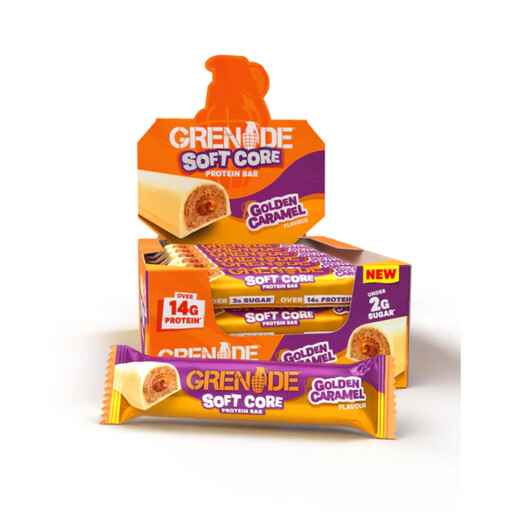 No image available
This Golden Caramel variant also comes as twelve 50g bars. Choose between the Soft Core flavours by checking each exact label, particularly if protein per bar, allergens or age guidance affect your decision.
Choose a protein bar as a snack, not for an expected improvement in concentration. Its declared nutrition, ingredients and suitability are more useful buying checks, and it should not be treated as a replacement for varied meals.
Compare grams of protein per bar alongside bar weight. PhD declares 21–22g for the reviewed 64g Smart Bar flavours, Grenade declares 21g for its 60g Caramel Chaos bar, iHerb UK lists 20g for the 60g Quest Chocolate Brownie bar, and Myprotein declares 16g for its Soft Protein Bar. Check the exact flavour you plan to buy.
No. Grenade Caramel Chaos and PhD Smart Bar both warn that excessive consumption may cause laxative effects. Read the warning and ingredients on your chosen bar rather than assuming every low-sugar product has the same formulation.
Check the exact product’s ingredients, declared allergens and any precautionary statement. The Food Standards Agency explains that wording such as ‘may contain’ communicates possible unintended allergen presence; it is not the same as a free-from claim.
Check each product’s age guidance rather than applying one rule to every bar. Grenade labels its Caramel Chaos product as not suitable for children under 14; that warning should not be assumed to describe a different product.