Festival-goers managing a food allergy
Keep the sealed wrapper available so you can check the exact bar’s ingredients and precautionary allergen wording against your avoidance plan. “High protein” does not tell you whether an allergen is present.


Choose a festival protein bar by the ingredient or dietary requirement you need to avoid, then check the exact flavour’s current ingredients, allergen declaration and any “may contain” wording. Vegan, gluten-free and low-sugar claims answer different questions; none clears a bar of every allergen. If you have a diagnosed food allergy, choose a sealed bar only when its label fits your individual avoidance plan.
The most useful starting point is the exclusion that matters to you, not a general claim on the front of the wrapper.
Keep the sealed wrapper available so you can check the exact bar’s ingredients and precautionary allergen wording against your avoidance plan. “High protein” does not tell you whether an allergen is present.
Look for a claim that matches your requirement, then read the rest of the label. A vegan bar can still contain peanuts or soya; a dairy-free label does not address every other allergen.
Choose a bar with an explicit gluten-free claim when that is your requirement, and check other ingredients separately. Quest, for example, describes its protein bars as gluten-free but says its OG bars use dairy-based proteins.
Set your non-negotiable exclusion first. Then compare the exact flavour and pack, because a dietary claim or retailer filter does not answer every ingredient question.
| Priority | What to check | Your needs |
|---|---|---|
| Exact allergens | Read the full ingredients and allergen declaration for the chosen flavour. Check any “may contain” wording against your avoidance plan. | I need to know whether this particular bar declares an ingredient I avoid, rather than relying on the brand or range name. |
| Dietary claims | Match vegan, dairy-free or gluten-free wording to the requirement it actually addresses. Check other relevant allergens separately. | A vegan or dairy-free option could work for me, but I may also need to avoid peanuts or soya. A gluten-free claim alone does not answer those questions. |
| Polyols | Look at the sweeteners, nutrition information, serving size and any warning about excessive consumption. | If polyols affect me, I want to check the label before packing several bars for a long day. |
| Pack information | Check the current product information when choosing a flavour, then read the physical wrapper before eating it. Keep the wrapper if you will need to refer back to it. | I want the ingredients for the bar I actually packed, especially when several flavours look similar. |
Vegan, dairy-free and gluten-free describe different requirements. A vegan bar may still contain peanuts, soya or gluten-containing ingredients.
Start with your required exclusion, then check the exact flavour’s ingredients and precautionary wording for everything else you need to avoid.
Grenade lists peanuts, milk and soya in its Peanut Nutter bar, alongside warnings about other possible allergens. Its ingredient profile cannot be assumed to apply to every flavour in the range.
Check the individual bar’s label before packing it. If its declared ingredients or warnings conflict with your avoidance plan, choose a different bar.
Some low-sugar bars use polyols, and product warnings may refer to a laxative effect from excessive consumption. Sugar content alone does not tell you how you will tolerate a particular bar.
Read the sweeteners and warning text. If you know polyols affect you, take that into account before making an unfamiliar bar your main packed snack.
A Free From category can narrow a search, but it does not establish that every listed flavour meets every allergen requirement. Food from a festival trader may also have a different information format from a prepacked bar.
Check your bar’s wrapper. When buying from a trader, ask for the food’s allergen information before ordering; the Food Standards Agency says food businesses must provide allergen information for both prepacked and non-prepacked food.
These ranges illustrate different places to begin a search; suitability still depends on the chosen product and flavour.
Grenade offers protein bars in confectionery-style flavours.
PhD’s Smart Bar range includes Smart Plant bars labelled suitable for vegans and vegetarians.
Myprotein has a separately browsable dairy-free protein-bar category.
Quest describes its protein-bar collection as gluten-free.
Barebells has Original, Soft and Vegan bar lines.
Tesco provides Free From browsing and gluten-free and milk-free filters across relevant snack categories.
These portable bars and flapjacks offer different flavours and pack formats for festival snacks. Compare the current label of each one with your own free-from requirements before deciding what to pack.
 No image available
The three-bar pack is an option to consider for portable festival snacks. If choosing it for vegan or gluten-free needs, confirm the claims on the current pack and check its soya declaration against your requirements.
 No image available
This four-bar pack may suit someone looking for a portable peanut-and-chocolate option. Check the current gluten-free claim if you need it; the allergen information identifies peanuts, soya and milk, with a possible-other-nuts warning.
 No image available
The four-bar format offers another flavour to compare for packed snacks. If gluten avoidance matters, check the current gluten-free claim; the allergen information also identifies almonds, milk, peanuts and soya.
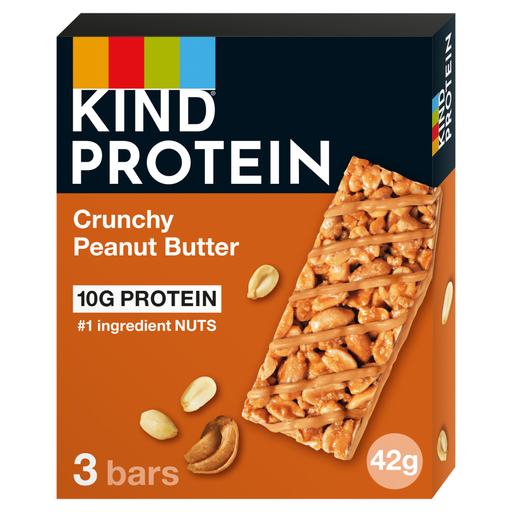 No image available
This three-bar peanut butter pack is worth comparing if its ingredients fit your requirements. Its allergen information identifies peanuts and soya and warns that it may contain tree nuts; it contains honey, so it is not a vegan option. Check the current label for any gluten-free or dairy-free requirement rather than assuming either claim.
No. Vegan describes the absence of animal-derived ingredients, not the absence of peanuts, soya, wheat or other allergens. Check the exact flavour’s current ingredients and precautionary wording against the allergens you avoid.
Ask for the allergen information for the food you intend to buy before ordering. The Food Standards Agency says food businesses must provide allergen information for prepacked and non-prepacked food and drink. For food prepacked for direct sale in England, Wales and Northern Ireland, its guidance also requires the food’s name and a full ingredients list.
The Food Standards Agency defines “gluten-free” as no more than 20 mg/kg of gluten in the food as sold to the final consumer. It is a gluten claim, not a statement that the bar is free from milk, nuts or other allergens.
No. Check the ingredients, nutrition information and any warning on the particular bar. Some bars use polyols, and an excessive-consumption warning may matter if you are sensitive to them or plan to pack several bars.
No. A filter can help you find candidates for a stated exclusion, but it does not establish suitability for every allergen or flavour. Read the current product information and check the physical wrapper before eating the bar.