Shoppers avoiding animal-derived ingredients
Look for a vegan bar with a stated protein amount per bar. Vegan status does not settle whether its particular flavour contains soya, peanuts or wheat, or carries a precautionary allergen statement.


Start with the ingredient or dietary exclusion that matters to you, then compare protein per whole bar. A vegan label does not establish that a bar is free from gluten, soya or nuts; for an allergy or coeliac disease, check the claim, ingredients and precautionary wording on the exact flavour and current pack.
Look for a vegan bar with a stated protein amount per bar. Vegan status does not settle whether its particular flavour contains soya, peanuts or wheat, or carries a precautionary allergen statement.
Look for a gluten-free claim on the individual product rather than relying on a vegan or low-sugar description. Barebells says several of its vegan flavours contain wheat protein and gluten.
Check the ingredients and any ‘may contain’ wording for the exact flavour and pack. A high-protein claim says nothing about whether milk, soya, peanuts or other relevant allergens are present.
Decide what the bar must exclude before comparing its protein contribution and the rest of its nutrition label.
| Priority | What to check | Your needs |
|---|---|---|
| Specific exclusions | Read the ingredients, the claim for the exact flavour and any ‘may contain’ statement. For gluten avoidance, look for a product-specific gluten-free claim. | I need to rule out a particular ingredient, not just find a bar described as vegan or high in protein. |
| Protein per bar | Compare grams of protein and bar weight on the same per-bar basis. Check whether the protein source fits an animal-free or milk-free requirement. | I want to know what the complete bar contributes to my intended snack, rather than comparing front-of-pack claims alone. |
| Nutrition and sweeteners | Read sugars, polyols and energy per bar together. Check the pack for any excessive-consumption warning associated with polyols. | A low sugars figure is useful to me, but I also want to understand the bar’s sweeteners and serving size before choosing a multipack. |
Manufacturer information for the vegan bars discussed here includes soya, wheat, peanuts or hazelnuts in particular products, alongside precautionary warnings on others.
Start with the ingredient you need to avoid, then read the current label for the individual flavour.
PhD lists 21g protein per 64g Smart Plant bar, while Myprotein lists 16g per 60g Vegan Carb Crusher bar. Those figures describe different complete servings.
Compare protein per bar alongside bar weight and the other nutrition values relevant to your choice.
PhD’s Smart Plant panel lists 16g polyols per 64g bar. Sugars alone do not describe the sweetener profile.
Read the sugars and polyols entries together, including any warning printed on the pack.
Grenade advises shoppers to consult product-specific allergy information. Its Chocolate Chip Salted Caramel page says the bar may contain gluten, peanuts and nuts.
Check the wrapper of the flavour and batch you are buying, particularly when choosing a multipack.
A multipack is a larger commitment if its current allergen statement rules it out for you.
These examples show why a brand name or product range cannot replace a check of the individual bar.
Smart Plant is a vegan bar range for shoppers avoiding animal-derived ingredients.
Vegan Carb Crusher offers a plant-protein bar option.
Chocolate Chip Salted Caramel is an example of a conventional bar containing milk-derived protein.
Barebells has vegan bars as well as other protein-bar ranges.
Quest describes its OG Protein Bars as gluten-free and made with dairy-based proteins.
Tesco is a retailer whose protein-bar category includes products from different brands.
These options include a peanut-and-chocolate bar, conventional Grenade bars and a mixable cookie-dough product. The cookie dough is not a ready-to-eat protein bar; check each product’s current pack against your specific exclusion.
 No image available
A peanut-and-chocolate bar for comparing against your specific free-from requirement. Check the current pack for its gluten-free claim and its milk, peanut, soya and other-nut allergen wording.
 No image available
A conventional bar option if milk and soya fit your requirements. Before choosing the 12-bar pack, check the exact flavour’s allergen statement and polyols information.
 No image available
Another conventional bar format, rather than a general free-from choice. Check the current wrapper for milk, soya and wheat or gluten information, as well as its polyols listing.
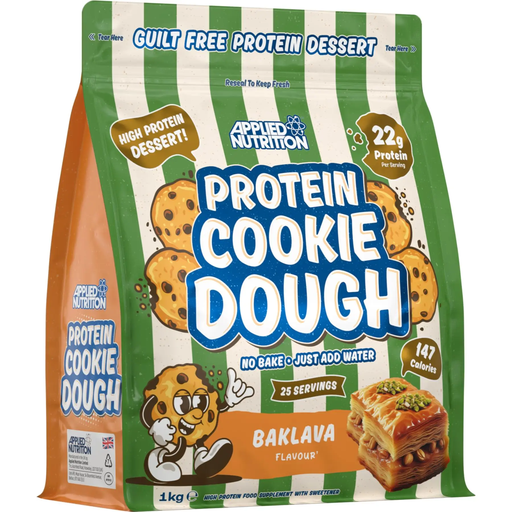 No image available
This is a mixable cookie-dough product, not a ready-to-eat bar to carry as a snack. It requires preparation with water; check its current allergen statement, including milk and soya, before considering the tub.
No. A vegan description concerns animal-derived ingredients, not every allergen. For example, PhD’s cited Smart Plant flavour includes soya and peanut, while Myprotein’s Vegan Carb Crusher includes wheat and soya; check the exact flavour and pack.
Look for a gluten-free claim on the individual product and check its current label. The UK Food Standards Agency describes that claim as applying to food containing no more than 20 mg/kg gluten as sold to the final consumer; a vegan or low-sugar description is not a substitute.
It signals possible unintentional allergen presence, rather than listing an intended ingredient. Food Standards Agency-commissioned research explains this purpose of precautionary allergen labelling; check whether the warning names the allergen you need to avoid.
Start with protein per whole bar to understand the serving you would actually eat, then use per-100g figures if you need to compare differently sized products. PhD lists 21g per 64g Smart Plant bar, while Myprotein lists 16g per 60g Vegan Carb Crusher bar.
A sugars figure does not show the bar’s polyols content. PhD lists 16g polyols per 64g Smart Plant bar; read the nutrition panel and any excessive-consumption warning on the product you intend to buy.