Gamers choosing a desk snack
A ready-to-eat bar is convenient between games, but its protein wording tells you nothing on its own about its fat content or the amount in a whole bar.


For a gaming-session snack, choose by comparing total fat and saturates per 100g, then check what one bar contains. The NHS describes a food with 3g fat or less per 100g as low fat, while “reduced fat” means at least 30% less fat than a similar food; high-protein or low-sugar wording establishes neither. Check the exact flavour’s portion size, ingredients and allergens before deciding.
A ready-to-eat bar is convenient between games, but its protein wording tells you nothing on its own about its fat content or the amount in a whole bar.
If lower fat is the deciding factor, compare the same nutrition measures per 100g across flavours and brands before looking at the amount per bar.
Vegan suitability and allergen suitability are separate questions. Read the exact flavour’s ingredients and any “may contain” statement before buying.
Start with comparable per-100g figures, then use the per-bar panel and ingredients to decide whether the portion suits the snack you have in mind.
| Priority | What to check | Your needs |
|---|---|---|
| Fat claim | Compare total fat and saturates per 100g. The NHS low-fat guide is 3g total fat or less per 100g; its reduced-fat description requires at least 30% less fat than a similar food. | I’m looking for a lower-fat snack, so I need the panel and any stated comparison—not just “high protein” or “low sugar” on the front. |
| Portion | Check bar weight, energy, fat, saturates and protein per bar after comparing per 100g. Different bar sizes can change how the portion figures look. | A whole bar is the snack I plan to eat; I want to know what that portion contains. |
| Ingredients | Read the exact flavour’s ingredients, allergen declaration, precautionary statements and any warning about excessive consumption. | If an ingredient or allergen matters to me, the flavour-specific label has to answer that question before I choose a bar. |
| Format | Check whether the product is a ready-to-eat bar or needs mixing, and confirm the pack size before choosing a single item or multipack. | For an in-game snack, I’d rather know whether it needs preparation and whether I’ve checked the flavour before committing to several servings. |
A bar can disclose a substantial protein amount while its fat and saturates figures tell a different story about a lower-fat choice.
Compare total fat and saturates per 100g first, then check the figures for the bar you will eat.
A 55g bar and a 64g bar represent different portions, so their per-bar fat figures are not a like-for-like comparison.
Use per-100g values to compare products, then use per-bar values to assess your intended portion.
Ingredients, allergens and any excessive-consumption warning need checking for the particular bar, not just its product range.
Read the exact variant’s label before choosing several bars of that flavour.
Barebells UK lists 9g fat per 55g bar for its Vegan Fudge Brownie variant. Vegan suitability does not establish a low-fat result or answer separate allergen questions.
Check fat and saturates on the nutrition panel, and assess ingredients and precautionary allergen statements separately.
Use these examples to identify the exact range and flavour you want to compare; figures from one variant do not describe every bar a brand sells.
Grenade sells protein bars including Carb Killa and Soft Core variants.
PhD’s Smart Protein Bar range includes a Chocolate Brownie variant.
Myprotein offers Layered Protein Bars in distinct flavours.
Barebells offers vegan as well as other protein-bar variants.
Quest Nutrition publishes a panel for its US Chocolate Peanut Butter Protein Bar.
Tesco is a grocery retailer, not a protein-bar manufacturer, with listings that can help identify exact flavours and pack sizes.
These Joybuy options include four ready-to-eat Grenade bar variants and one Applied Nutrition product that requires mixing. Compare the bars’ exact flavour panels for a lower-fat decision; the mixing product is a different snack format, not a substitute bar.
 No image available
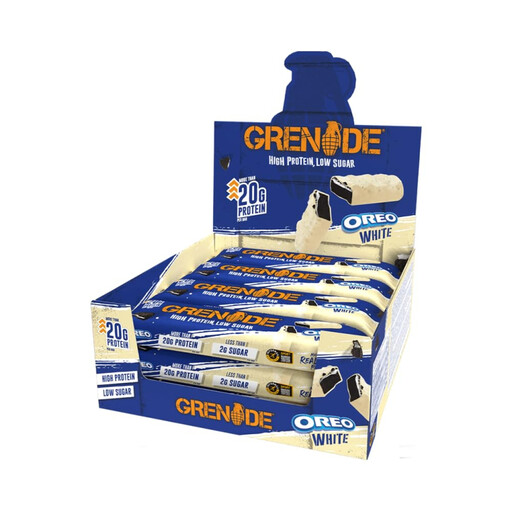
A ready-to-eat bar format for a gaming-session snack. Check this Oreo flavour’s fat, saturates and allergen panel rather than using figures from another Grenade bar.
 No image available
This is a ready-to-eat multipack. Confirm that the White Oreo flavour’s ingredients suit you and compare its fat figures per 100g before choosing twelve bars.
 No image available
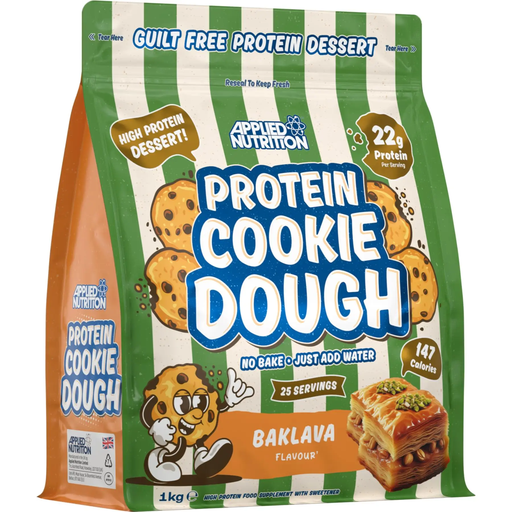
This product needs mixing with water, so it is less immediate than a ready-to-eat bar. Check its serving instructions, nutrition panel and allergen information for the amount you intend to prepare.
 No image available
A ready-to-eat 50g bar in a multipack. Compare its nutrition figures per 100g with larger bars, then check the amount in one 50g portion and the exact flavour’s allergens.
 No image available
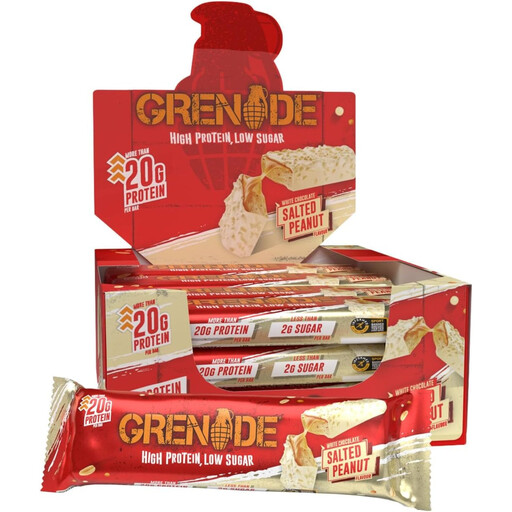
A ready-to-eat multipack for shoppers considering a peanut-flavoured bar. Check this variant’s fat and saturates per 100g and read its allergen declaration before choosing it.
No. The NHS explains that “reduced fat” means at least 30% less fat than a similar food, whereas its low-fat guide is 3g total fat or less per 100g. Read the panel as well as the claim when choosing a gaming snack.
No. Sugar and fat are separate nutrition measures. Compare total fat and saturates per 100g across the exact flavours you are considering, then check the figures for the whole bar.
Per-100g figures let you compare bars of different sizes on the same basis. Per-bar figures show the amount in the portion you would actually eat during a gaming session.
Read the exact flavour’s ingredient list and any excessive-consumption warning on its pack. This is especially relevant if you are considering eating more than one bar.
Not necessarily. Vegan suitability addresses animal-derived ingredients, not every allergen. Check the exact bar’s allergen declaration and “may contain” statements, including information about wheat, soy, milk and nuts where relevant.