
24/7 Customer Support

Free returns

Same-day & Next-day Delivery

Quality Guaranteed

Unlock Your Welcome Offers: FREE Delivery | Up to 80% OFF | Free 30-day JoyPlus trial
Download the APP
Protein bars can be useful for gym bags, office drawers, university backpacks and long journeys around the UK. However, a high-protein label does not automatically make a bar suitable for your diet, training routine or budget. The right choice depends on the nutrition panel, ingredients, allergens, pack size and intended use.
Some high-protein snack bars contain considerably more sugar than expected. Trek Cocoa Oat Protein Flapjacks, for example, provide 9g of protein and 14g of sugars per 50g bar. That may suit someone seeking an oat-based energy snack, but it is not the same as a low-sugar protein bar.
Always compare the figures per serving, not just per 100g. A larger bar can appear similar on the shelf while delivering more calories, carbohydrate, fat or sugar in one sitting.
Many low-sugar protein bars use sweeteners such as maltitol, xylitol or sucralose. Polyols can help reduce listed sugar, but products containing larger amounts may not suit everyone. Grenade Peanut Nutter contains 15g of polyols per 60g bar, while Grenade White Oreo contains 17g.
Check the carbohydrate breakdown for “of which polyols” and follow the product’s serving guidance. Eating several bars at once can be an uncomfortable and costly mistake.
A protein bar is usually a snack, not a nutritionally complete meal. Meal replacement bars are formulated differently and may include added vitamins, minerals and fibre. Slimfast Meal Support Bars provide 16g of protein, 4.8g of fibre and a range of listed vitamins and minerals per 60g bar, but they still need to be used according to the packaging instructions.
If you need something after training, a conventional protein bar may be more appropriate. If you are replacing lunch during a busy shift, compare the product’s calorie content and micronutrient information rather than focusing only on protein.
For a practical comparison, check:
Examples vary widely. YuBi Peanut Protein Bars provide 10g of protein and 99 calories per 35g bar, whereas Grenade Oreo Protein Bars provide 21g of protein and 233 calories per 60g bar. Neither figure is automatically right or wrong; the suitable option depends on whether you want a lighter snack or a more substantial serving.
People looking for low-sugar protein bars or low-carb protein bars should examine the full carbohydrate line. Grenade Peanut Nutter lists 1.7g of sugars and 18g of carbohydrate per bar, with much of the carbohydrate coming from polyols. PhD Smart Protein Nutrition Bars list approximately 2g of sugar per 64g bar, according to the supplied product information.
For an everyday snack, fibre can also affect how filling the bar feels. Nature Valley Protein Salted Caramel Nut Bars provide 5.5g of fibre per 40g serving, alongside 10.4g of protein.
Read the ingredient and allergen statement every time, particularly if buying for a shared office or household. Common allergens in these products include milk, soya, peanuts, tree nuts, wheat and oats.
“Gluten-free” does not mean allergen-free. Trek Cocoa Oat Protein Flapjacks are described as gluten-free and plant-based, but contain soya and may contain milk, nuts and peanuts. YuBi bars use plant protein and gluten-free oats, but the supplied information still identifies soya and lists restrictions for several allergies.
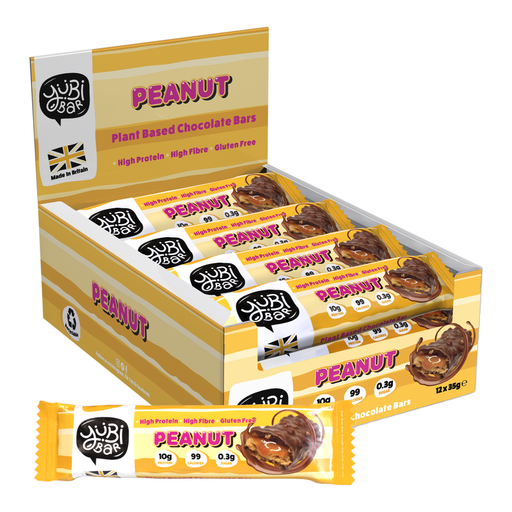
Why This Fits Their Persona: The 12-bar format gives newcomers a convenient way to keep individual portions in a gym bag, student locker or office drawer.
The small 35g serving makes the calorie and protein amount clear instead of disguising portion size in a large wrapper.
10g protein, 99 calories and 0.5g sugar per bar; plant-based ingredients and gluten-free oats.

Why This Fits Their Persona: Suitable for shoppers who want a larger confectionery-style bar for post-workout snacks or planned between-meal eating.
Its nutrition panel states the serving size clearly, including approximately 20g protein and around 2g sugar per bar.
64g bar with a milk, whey and soya protein blend; palm-oil-free formulation stated in the product information.

Why This Fits Their Persona: A practical protein bar multipack for regular gym-goers who want individually wrapped bars ready for training days and commutes.
The panel separates sugar from polyols, helping low-sugar shoppers understand what they are actually buying.
20g protein, 1.7g sugar and 5.6g fibre per 60g bar; 12 individually packaged servings.
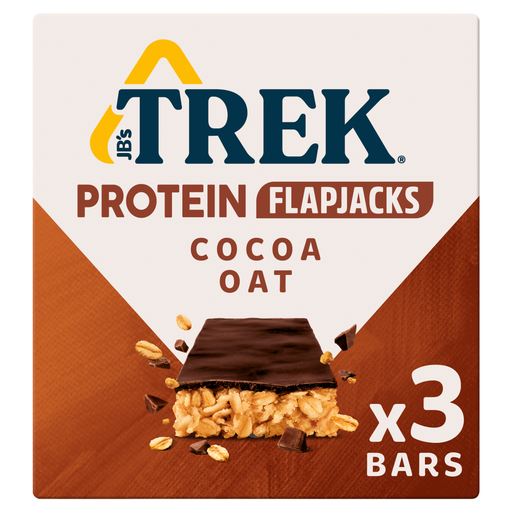
Why This Fits Their Persona: A chewy oat option for vegans and shoppers seeking a plant-based snack for walks, work breaks or lighter activity.
The product information identifies gluten-free oats and plant-based soya protein rather than leaving dietary suitability to vague front-of-pack wording.
9g protein per 50g flapjack; gluten-free oats and a soft cocoa oat format.
We have compiled a complete, real-time list of products that fully satisfy these strict selection criteria and UK safety regulations.
They can be convenient after exercise, particularly when a full meal is not immediately available. Compare the protein, carbohydrate and calorie content with your overall diet. A bar should complement regular meals rather than automatically replace them.
Most bars should be kept in a cool, dry place away from direct sunlight and heat. Chocolate coatings may soften in warm conditions. Check the best-before information on the individual wrapper or outer packaging, especially when buying a multipack.
Not necessarily. Low-sugar products may contain polyols or other sweeteners, and many contain milk, soya, peanuts or wheat. Read the full ingredient and allergen statement before eating. People with allergies, intolerances, medical conditions or specific dietary requirements should seek appropriate professional advice and follow the product label.