
24/7 Customer Support

Free returns

Same-day & Next-day Delivery

Quality Guaranteed

Unlock Your Welcome Offers: FREE Delivery | Up to 80% OFF | Free 30-day JoyPlus trial
Download the APP
Protein bars can be useful for a commute, gym bag or desk drawer, but packaging often makes similar products look interchangeable. A bar marketed as high protein, low sugar or meal replacement may still be relatively high in calories, contain considerable polyols or include allergens you did not expect.
As the Joybuy Product Recommendation Officer, I focus on the details that help shoppers cut through product marketing and choose according to their actual routine.
A low-sugar protein bar is not automatically a low-carb protein bar. Sugar is only one part of total carbohydrate. Some products use maltitol, glycerol or other polyols to reduce the “sugars” figure while retaining a higher carbohydrate total.
Check the nutrition panel for:
For example, some 60g bars provide around 20–21g protein and 1–2g sugars, but also contain approximately 17–18g polyols. This may suit some low-sugar diets, but excessive consumption can cause digestive discomfort.
Protein content matters, but a bar with more protein may also contain more fat, calories or salt. A useful comparison is the per-serving panel, because bars vary in size from 35g to 64g.
A 40g cereal-style bar may provide around 10g protein, while a 60g fitness bar may provide 20–21g. Neither is automatically suitable for every occasion. A smaller protein snack may be more practical for light hunger, while a larger bar could be more appropriate after training or when lunch is delayed.
Peanuts, tree nuts, milk and soya appear frequently in protein snack bars. Some also contain wheat or gluten, while plant-based products may still contain soya or oats.
Always read the current packaging, especially if you need:
Recipes and packaging can change, so the product label supplied with your order should take priority over older online information.
For high protein bars, compare grams per bar and the protein source. Common ingredients include milk protein, whey, casein, soya, pea and other plant proteins. A protein bar is a convenient way to supplement dietary intake, but it should sit within a varied and balanced diet rather than replace every protein-rich meal.
If your priority is a post-workout protein bar, a serving around 20g may be convenient. For everyday snacking, a smaller bar with 8–10g may provide enough without adding as many calories.
In UK food labelling, “low sugars” refers to a defined nutrition claim based on sugars per 100g, but a product can still contain substantial carbohydrate from starches, syrups or polyols. Use the full panel rather than relying on the front of pack.
A practical comparison should include:
This approach is especially important when comparing low sugar protein bars with conventional cereal or chocolate protein bars.
A protein bars multipack can reduce the cost per serving and make preparation easier, but only if you like the flavour and tolerate the ingredients. Chocolate protein bars and peanut protein bars are common choices, while salted caramel and citrus flavours offer alternatives to a standard cocoa profile.
For occasional use, a 3- or 4-bar pack lets you try a product. For regular gym sessions, a 12-bar multipack may be more convenient. Store bars in a cool, dry place and check the best-before information on the wrapper.
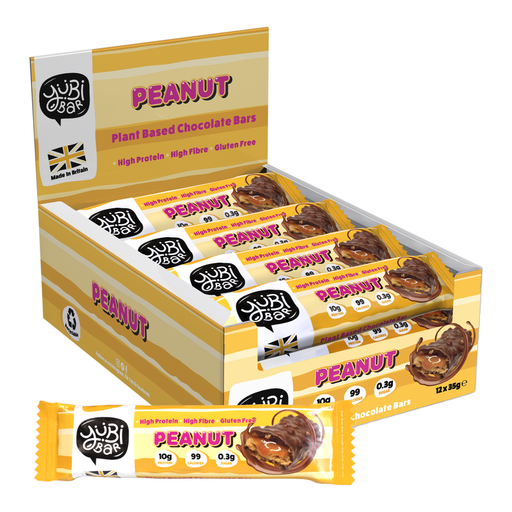
Why This Fits Their Persona: A compact multipack for UK shoppers who want a small, portable snack for commuting, study or occasional gym use.
The 35g serving makes the calorie and portion size clear: 99 kcal and 10g protein per bar. It is not presented as a full meal replacement.
Plant-based ingredients; 10g protein, 0.5g sugars and 2.5g fibre per bar. The supplied details identify it as vegan and gluten-free.
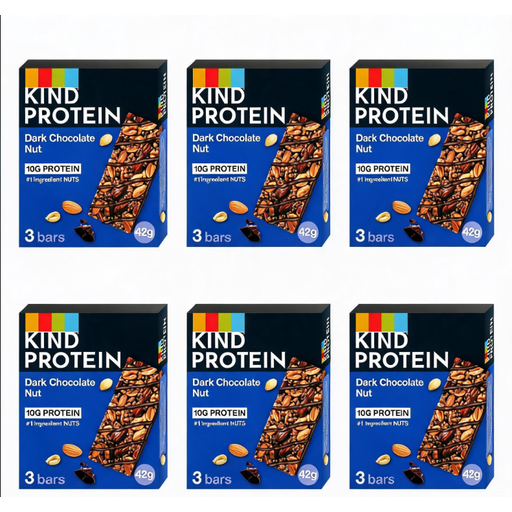
Why This Fits Their Persona: Suitable for shoppers who value a nut-based texture and a larger 18-bar supply for work, travel or regular snack planning.
The nutrition panel shows 10g protein and 7.2g sugars per 42g bar, helping buyers judge it as a nut-and-chocolate snack rather than a low-sugar product.
Peanuts and almonds are listed as main ingredients; gluten-free and suitable for vegetarians according to the supplied product information.
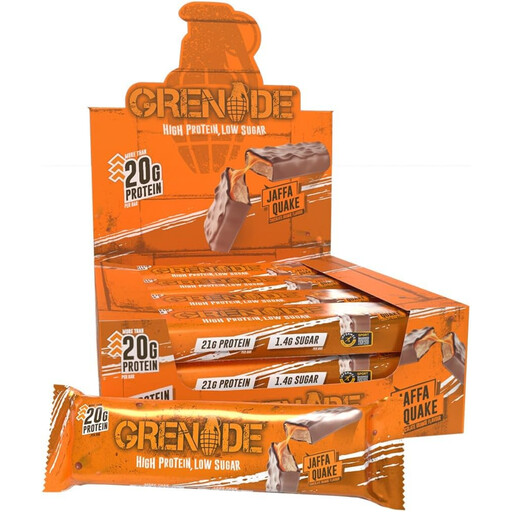
Why This Fits Their Persona: A 12-bar option for gym-goers who want an individual post-workout protein snack with a chocolate-and-orange flavour profile.
It states the full figures: 21g protein, 1.4g sugars, 20g carbohydrate and 18g polyols per 60g bar.
21g protein per serving; individually wrapped; milk- and soya-containing blended protein formula.

Why This Fits Their Persona: Designed for adults needing a ready-to-eat option during busy workdays, travel or irregular meal times.
It is clearly positioned as meal support, with 202 kcal, 16g protein, 8.9g sugars and 4.8g fibre per 60g serving. It should not be assumed to replace every varied meal.
Includes listed vitamins and minerals; ready to eat; supplied in a 4 x 60g pack.
We have compiled a complete, real-time list of products that fully satisfy these strict selection criteria and UK safety regulations.
They can be convenient after exercise, particularly when you need portable protein and cannot prepare food immediately. Check the protein, calorie and carbohydrate figures, and remember that a bar is not a substitute for hydration or a varied diet.
Shelf life varies by product and batch. Keep bars sealed in a cool, dry place away from direct sunlight, then follow the best-before date printed on the packaging. Heat can soften chocolate coatings and affect texture.
Some may fit a low-carb eating plan, but “low sugar” does not mean “low carbohydrate”. Compare total carbohydrate and polyols per bar, and consider your own dietary requirements. People with allergies, medical conditions or special nutritional needs should check the label and seek appropriate professional advice before changing their diet.