What should you check?
Start with the children’s requirements and the setting’s rules; only then compare individual products.
| Priority |
What to check |
Your needs |
| Allergen compatibility |
Read the current pack’s ingredients and “may contain” statements for the exact product and flavour. Confirm the child’s avoidance requirements with their parent or carer. |
I need to know that each child can have the particular snack going into their bag, not just that its packaging says “free from”. |
| Meaning of claims |
Check which requirement a vegan, gluten-free or low-sugar claim addresses. Compare the full allergen information with any separate milk, peanut, nut, sesame, wheat or soya requirement. |
A vegan label might meet one requirement, but I still need to check it against the child’s other food restrictions. |
| Snack and setting |
Check the setting’s food policy, the pack’s serving size and any sweetener or consumption notice. Consider whether a protein bar is the snack you want to give this age group. |
For a younger child’s party, I want a suitable treat; protein content alone does not settle that choice. |
Brand and retailer examples
These examples show why a brand name or range label cannot replace checking the exact product.
Grenade
Grenade markets its Carb Killa range as high-protein, low-sugar bars.
- The range offers identifiable flavours to check individually.
- Grenade identifies peanut-containing flavours in its own allergen guidance; do not assume another flavour meets a child’s requirements without checking its pack.
PhD
PhD sells Smart Protein Bars as sports-nutrition snacks.
- The exact bar’s packaging provides the information needed to assess a proposed party-bag choice.
- PhD’s cited product page warns that excessive consumption may cause laxative effects; check the chosen bar’s ingredients and notices.
Myprotein
Myprotein sells plant-based as well as other sports-nutrition snacks.
- A plant-based label can help identify products to examine when animal-derived ingredients are being avoided.
- Myprotein UK says its Peanut Butter Protein Bar is not suitable for peanut and nut allergy sufferers and lists other possible allergens in its precautionary information.
Quest
Quest describes its OG protein bars as made with dairy-based proteins and containing sugar alcohols.
- Those stated ingredients give shoppers specific points to check against their requirements.
- A gluten-free claim, where present on an exact product, would not address a separate milk-allergy requirement.
Barebells
Barebells sells both original and vegan protein bars.
- Its product pages provide flavour-specific ingredient and allergen examples.
- Barebells UK lists wheat and soya in Vegan Fudge Brownie, and milk, cashew and peanut in Caramel Cashew. Both cited products carry excessive-consumption notices.
Tesco
Tesco’s protein-bar category contains products from different brands rather than one shared ingredient profile.
- The range allows comparison of individual products.
- A place in the protein-bar category does not establish suitability for a peanut-, nut- or milk-allergy requirement; check the chosen pack.
Joybuy party-bag options
These Joybuy options are an apple pouch and freeze-dried sweets, not protein bars. Check each current pack against the children’s requirements and the setting’s food policy before putting either into a party bag.
 No image available
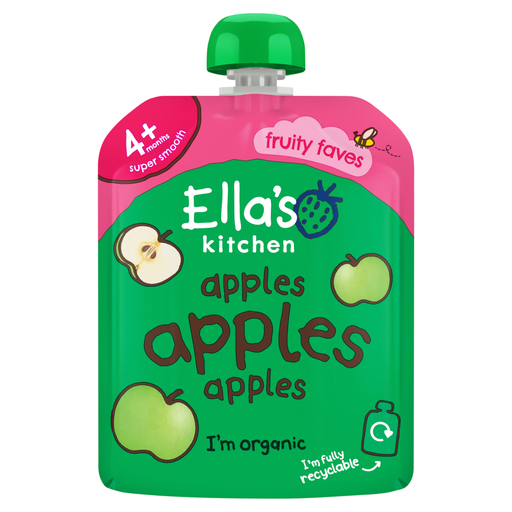
Ella’s Kitchen Apples 4+ Months 70g
For a party bag where an apple pouch is appropriate, this product is labelled 4+ Months and comes in a 70g pack. Check the current pack’s ingredients, allergen information and handling instructions with the child’s parent or carer.
View on Joybuy
 No image available
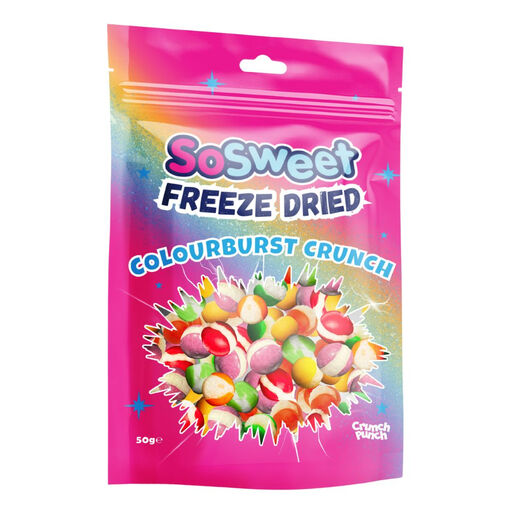
SoSweet Colourburst Crunch Freeze-Dried Sweets 50g
This 50g pouch is a sweets option rather than a protein bar. Check its current ingredients and allergen statements before choosing it for any child with dietary requirements.
View on Joybuy
Questions about party-bag snacks
Is a vegan protein bar suitable for a child with a milk or nut allergy?
Not on the strength of its vegan label alone. The Food Standards Agency advises checking precautionary allergen information on vegan food; Barebells UK, for example, says its Vegan Fudge Brownie bar may contain milk, peanuts and tree nuts. Check the current pack against the child’s specific requirements.
What if I cannot tell whether a bar contains a child’s allergen?
Do not give that bar to the child. NHS guidance says to avoid a food when you are unsure whether it contains an allergen the child must avoid; ask the parent or carer about a suitable alternative.
What does “may contain” mean on a snack label?
It is a precautionary statement that an allergen could be unintentionally present, as explained by Food Standards Agency research on precautionary allergen labelling. Check whether that statement conflicts with the individual child’s avoidance requirements; it is not a guarantee that the allergen is absent.
Should I check the nursery, school or venue’s food policy?
Yes. NHS guidance advises checking nursery food policies and notes that some settings may be peanut- or nut-free. Ask the relevant setting what applies before choosing food for the party bags.
Does a party-bag snack need to be high in protein?
No: a protein claim is not a requirement for choosing a party-bag treat. For young children, NHS guidance gives examples of ordinary snacks; whichever product you consider, check its label, portion and suitability for the children attending.


