Who needs to check what?
The useful meaning of “free from” depends on what the person eating the bar needs to avoid.
Viewers avoiding a specific allergen
If you are choosing for yourself or a guest with a food allergy, check the named allergen in the exact bar’s ingredients and precautionary wording. The Food Standards Agency advises that a vegan label alone is not a substitute for allergen information.
Viewers avoiding gluten
Look for gluten-free wording on the individual product, then check its other declared allergens. Tesco’s gluten-free KIND Caramel Nut listing, for example, also declares pecans, almonds, milk and soya.
Viewers comparing protein-bar portions
If there is no relevant allergen exclusion, compare protein and sugars on the same basis—per bar or per 100g—and note the serving size. Check any sweetener advisory on the pack if you expect to eat more than one bar during the match.
What matters when choosing a bar?
Settle the ingredient and allergen checks before using nutrition figures to choose between suitable bars.
| Priority | What to check | Your needs |
|---|
| Specific allergens |
Read the ingredients, emphasised allergens and any “may contain” statement on the exact flavour. The Food Standards Agency says vegan labelling alone is not an allergen label. |
I’m buying for someone who avoids a named allergen, so a general vegan or free-from claim cannot make the decision for me. |
| Gluten |
Check the individual bar’s gluten-free wording, then its milk, nut and soya declarations. Tesco’s gluten-free KIND Caramel Nut listing declares pecans, almonds, milk and soya. |
Gluten is what I need to avoid, but I may also need to check other ingredients for myself or a guest. |
| Shared packs |
Read the label for every flavour in a multipack and keep wrappers identifiable when serving. Barebells’ UK range information shows that gluten statements differ between its bars. |
Several people will be snacking during the football, and I need to know which bar belongs to which wrapper. |
| Protein and sugars |
Compare protein, sugars and serving size on a consistent basis. PhD lists 21g protein and 1.2g sugars per 64g Chocolate Brownie Smart Bar; those figures do not establish allergen suitability. |
Once the allergen checks are settled, I want nutrition figures for the portion I’ll actually eat. |
| Sweeteners |
Check the ingredients and any consumption advisory on the chosen pack, particularly if you plan to have several bars. |
I might snack throughout the match, rather than eat just one stated serving. |
Brand and retailer references
Use these range examples to identify questions for the exact flavour you are considering, rather than assuming one label applies across a brand.
Grenade
Grenade describes its Carb Killa Go Nuts Vegan Protein Bar as vegan-friendly and gluten-free.
- Those two claims give shoppers a starting point for checking this particular bar’s dietary requirements.
- Its nut-focused description is a reminder to check the exact ingredients and precautionary wording if nuts are a concern; vegan and gluten-free do not mean free from every allergen.
PhD
PhD’s Smart Protein Bar range includes a Chocolate Brownie bar with a stated 64g serving.
- PhD lists 21g protein and 1.2g sugars per 64g Chocolate Brownie bar, giving a per-bar basis for comparison.
- The range is described with a whey-protein centre; check the exact pack rather than treating it as a dairy-free option.
Barebells
Barebells sells several protein-bar styles, including vegan and soft bars, with differing ingredient statements.
- The range offers different flavours and formats to compare individually.
- Barebells says its Vegan Protein Bar Caramel Peanut contains wheat protein containing gluten. Its Salted Peanut Caramel bar declares milk proteins, peanuts, milk and soy, with further “may contain” allergens.
Quest
Quest describes its protein-bar range as gluten-free and made with dairy-based proteins.
- The brand’s gluten-free range claim may help narrow an initial search.
- Dairy-based protein makes that range claim unsuitable as evidence of dairy-free status. Check the exact UK product label before choosing a bar.
Tesco
Tesco lists protein bars from different manufacturers, allowing product-level labels to be compared.
- Its KIND Caramel Nut listing provides an example of a gluten-free claim alongside a specific allergen declaration.
- That listing declares pecans, almonds, milk and soya. A retailer category or front-of-pack claim cannot replace checking the chosen product’s current pack.
Joybuy protein-bar options
These bars and flapjacks offer options to examine for a football-watching snack. Compare each individual pack against the allergen you need to avoid; the list also includes bars for comparing protein and sugars after those checks.
 No image available
Nature Valley Protein Peanut & Chocolate Bar 4 x 40g
A bar to examine if you are looking for a gluten-free option for the match. Check the individual pack’s gluten-free wording alongside its peanut, milk and soya allergen information; the peanut flavour name is not a substitute for the full declaration.
View on Joybuy
 No image available
Nature Valley Protein Salted Caramel Nut Bar 4 x 40g
Another nut-flavoured option to check when gluten avoidance is the starting point. Confirm the gluten-free wording and review the individual pack’s almond, peanut, milk and soya information before sharing it.
View on Joybuy
 No image available
Grenade Soft Core Double Chocolate Protein Bars 12 x 50g
A multipack for comparing per-bar protein and sugars once its ingredients meet your requirements. Check the Double Chocolate wrapper for milk and soya declarations, gluten information and any sweetener advisory; do not use a different Grenade bar’s free-from claims for this variant.
View on Joybuy
 No image available
Grenade Soft Core Golden Caramel Protein Bars 12 x 50g
For a Golden Caramel multipack, compare nutrition on the stated 50g bar basis after checking the label. Review milk and soya declarations, gluten wording and any precautionary allergen statement on this variant rather than assuming it matches another flavour.
View on Joybuy
 No image available
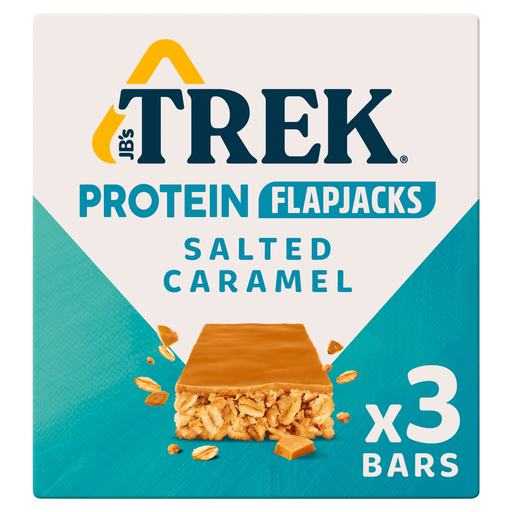
Trek Salted Caramel Protein Flapjacks 3 x 50g
A flapjack option to examine if plant-based ingredients and gluten avoidance are relevant. Check the exact wrapper’s gluten wording and soya declaration; plant-based wording alone does not settle suitability for an allergy.
View on Joybuy
Questions about free-from bars
Does gluten-free mean a bar is also free from nuts, milk or soya?
No. A gluten-free claim does not cover those other allergens. Tesco’s gluten-free KIND Caramel Nut listing declares pecans, almonds, milk and soya, so check the full allergen information for the exact flavour.
Is a vegan protein bar suitable for someone avoiding milk or egg?
Not automatically. The Food Standards Agency says a vegan label should not be used in place of allergen labelling because cross-contact can still matter. Read both the ingredients and precautionary allergen wording on the individual bar.
What does “may contain” mean on a protein bar?
It is precautionary allergen labelling used to communicate that an allergen could be unintentionally present, rather than deliberately included as an ingredient, according to the Food Standards Agency. Check whether the named allergen is relevant to the person who will eat the bar.
Why check each flavour in a protein-bar selection?
Ingredients and allergen statements can differ within a range. Barebells says its Vegan Protein Bar Caramel Peanut contains wheat protein containing gluten, while its Salted Peanut Caramel bar declares milk proteins, peanuts, milk and soy. Read each included wrapper before putting out a shared selection.
Should I choose the bar with the most protein for the match?
Protein alone does not decide whether a bar meets your allergen requirements. Check those first, then compare protein, sugars and serving size on the same basis, along with any advisory on the pack if you plan to eat more than one bar.


