Protein-focused movie-night snackers
If you want a sweet, individually portioned snack, look for a stated protein amount per bar rather than relying on the word “protein” in its name.


For a movie-night snack, compare protein per bar first, then check sugars, fibre, serving size and allergens: a protein claim does not describe the whole bar. TREK states 15g plant-based protein per High Protein bar, while Nature Valley describes around 10g protein and 4g fibre in its Peanut & Chocolate bar; the exact flavour’s label matters when choosing between them.
If you want a sweet, individually portioned snack, look for a stated protein amount per bar rather than relying on the word “protein” in its name.
A vegan, dairy-free or gluten-free description may help narrow the choice, but check the exact flavour’s ingredients and allergen statement as well.
Protein is only one figure to consider. Compare sugars, saturates, energy and fibre for the portion you will actually eat.
Start with the amount in one bar, then use the nutrition and ingredient labels to decide whether that particular flavour fits your plans.
| Priority | What to check | Your needs |
|---|---|---|
| Protein per bar | Compare protein in grams for one bar and check its serving weight. TREK states 15g per High Protein bar; Nature Valley describes around 10g in its Peanut & Chocolate bar. | For movie night, I want to know how much protein the bar I will open actually provides. |
| Whole-bar nutrition | Read energy, sugars, saturates and fibre per bar, not just per 100g. Where provided, front-of-pack traffic-light labels offer another way to compare fat, saturates, sugars and salt. | I want the sweetness and portion to suit my plans, as well as the protein amount. In a September–November 2024 Food Standards Agency and Ipsos survey of 611 Northern Ireland adults, 49% said they actively used traffic-light labels when shopping for food; that is not a movie-night-specific figure. |
| Ingredients and allergens | Check the exact flavour for ingredients, highlighted allergens and “may contain” statements. Do not assume that vegan or gluten-free means free from nuts, milk or soya. | If I avoid a particular ingredient, I need the declaration for the bar I am buying, not just a description of its range. |
The same bar also contributes energy, sugars and saturates. A protein amount on the front does not tell you what the whole portion contains.
Compare the full per-bar panel, including fibre, and use traffic-light information where it is provided.
A bar made without added sugar can still contain sugars from its ingredients. The distinction matters if sugars influence your choice.
Read the “of which sugars” figure for one bar, alongside the ingredient list.
Bars in this category can contain peanuts, other nuts, soya, milk, wheat or barley, and precautionary warnings vary by product.
Check the exact flavour and pack before buying, including any “may contain” wording.
Names and textures are poor substitutes for a per-bar comparison. Tesco Groceries lists 6.3g protein per 100g for its 50g Graze Cocoa Vanilla & Protein Flapjack, equivalent to about 3.15g per pack; TREK states 15g per bar for its High Protein range.
Compare grams per individual bar before considering flavour, fibre and the rest of the label.
TREK describes its High Protein range as plant-based bars with 15g protein per bar; it also offers Protein Flapjacks.
Its UK range includes Peanut & Chocolate Protein bars and Coconut & Almond Protein + Fibre bars.
Its Dark Chocolate & Peanut Protein Bar is a nut-and-chocolate option with a published per-bar nutrition panel.
Its Peanut Butter Protein bar is presented as a vegan, dairy-free and gluten-free fruit-and-nut option.
Graze makes oat-based snacks, including a Cocoa Vanilla & Protein Flapjack.
Alpen’s cited No Added Sugar product is muesli, rather than an individually wrapped snack bar.
These individually portioned protein bars include chocolate, caramel, nut and peanut flavours for a movie-night snack. Compare the exact pack’s nutrition and allergens when choosing between flavours and multipacks.
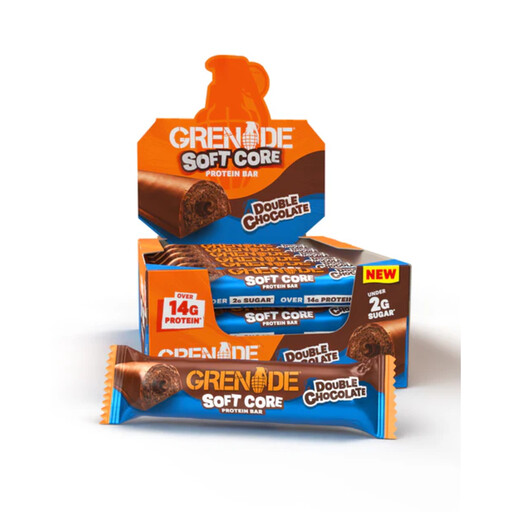 No image available
A chocolate-flavoured multipack for shoppers comparing protein and sugars per bar. Check the pack’s nutrition panel and milk and soya allergen information.
 No image available
A salted-caramel-and-nut option for comparing protein and fibre per 40g bar. Check the exact pack’s nutrition and allergen statement, particularly if you avoid nuts, milk or soya.
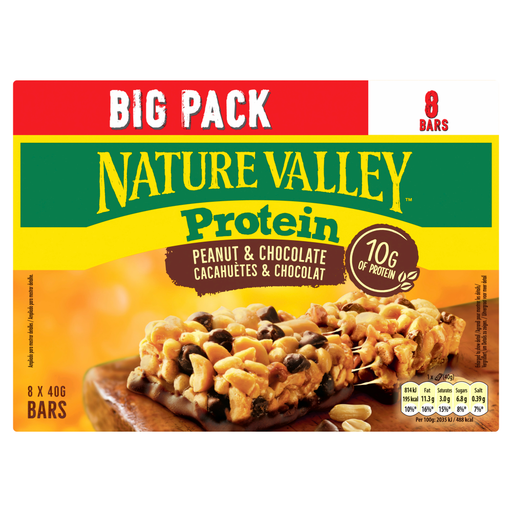 No image available
For a peanut-and-chocolate bar, Nature Valley describes around 10g protein and 4g fibre per 40g bar. Check this multipack’s label for its exact nutrition and peanut, milk and soya declarations.
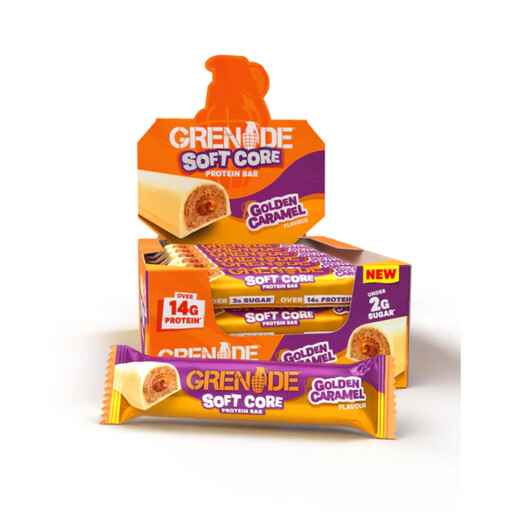 No image available
A caramel-flavoured alternative to compare by protein, sugars and fibre per bar. Check the exact pack’s nutrition and milk and soya allergen information.
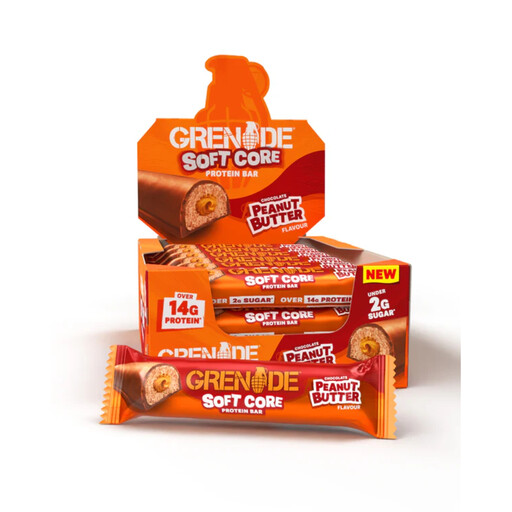 No image available
A peanut-butter-flavoured option for comparing whole-bar protein and sugars. It contains peanuts, milk and soya, so check the exact allergen statement before choosing it.
No. Protein, sugars and energy are separate parts of the nutrition panel, so compare all three for the whole bar. Front-of-pack traffic-light labels can also help compare fat, saturates, sugars and salt where they are provided, as GOV.UK’s label guidance explains.
Use the same serving basis: compare protein per bar, then check each bar’s weight, energy, sugars, saturates and fibre. Read the ingredients and allergen statement for the exact flavour before deciding.
Not necessarily. Vegan and gluten-free descriptions do not establish whether a bar contains nuts or carries a “may contain” warning. Check the exact product’s ingredient and precautionary allergen statements rather than relying on another dietary label.