New parents needing a portable snack
An individually portioned bar can be useful between feeds, errands or work. Compare the protein stated for one whole bar, then consider how the snack fits around meals.


For a quick snack, compare protein per bar alongside serving size: the UK examples here include bars labelled at 20g or more, a protein-and-fibre option, and a vegan option with a different protein amount. A bar can help when meals are interrupted, but it is not special breastfeeding food or a substitute for a varied diet; check the exact flavour’s ingredients, allergens, sweeteners and polyols before buying.
An individually portioned bar can be useful between feeds, errands or work. Compare the protein stated for one whole bar, then consider how the snack fits around meals.
A bar can be a convenient snack, not a special food required for breast milk. The NHS says breastfeeding does not require a special diet, and Imperial College Healthcare NHS Trust says no special foods or drinks are needed to make breast milk.
Milk, soya, wheat, peanuts, other nuts and sweeteners differ between the cited bars. Check the current label for the exact flavour, including ingredient and precautionary allergen statements.
Start with what you want from one snack, then compare the complete per-bar label rather than choosing from a protein claim alone.
| Priority | What to check | Your needs |
|---|---|---|
| Protein per bar | Compare grams of protein for the whole bar and its weight in grams. Check whether the protein source fits your diet. | I want a ready-to-eat snack with a protein amount that makes sense for the portion I will actually eat. |
| Convenience and meals | Check the number and size of bars in the pack and the per-bar nutrition panel. Plan for other foods and drinks during the day. | When meals are interrupted, I need something quick, but I do not want to treat a bar as complete breastfeeding nutrition. |
| Fibre | Read the fibre amount per bar alongside protein and serving size. Compare the exact flavour, as formulations can differ. | Fibre matters to me as well as protein, so I want to see both figures before choosing. |
| Sugars and sweeteners | Compare sugars per bar, then read the ingredients for sweeteners and polyols. Look for any consumption warning on the pack. | I may prefer less listed sugar, but I also need to consider whether the bar’s sweeteners suit me. |
| Allergens and vegan suitability | Read ingredient declarations and separate ‘may contain’ statements on the exact pack. Check a vegan statement separately from allergen information. | If I avoid dairy or have an allergy, a broad description of the brand is not enough to choose a particular flavour. |
A convenient bar does not provide the variety of foods covered by breastfeeding dietary guidance. The NHS says a special diet is not needed while breastfeeding.
Use a bar as a snack when it helps, while making room for regular meals, varied foods and fluids.
Tesco lists 16g polyols in a 60g Grenade White Chocolate Cookie bar. Barebells’ Cookies & Cream product information carries an excessive-consumption laxative-effects warning.
Read the ingredients and warnings on the exact bar. If you are unsure how you tolerate polyols, consider trying one bar before buying a multipack.
The cited TREK bar is labelled suitable for vegans, but its Tesco product information also identifies soya and peanuts and gives precautionary allergen information.
Check the current label for your chosen flavour and follow any individual allergy or elimination-diet advice you have been given.
Tesco lists the White Chocolate Cookie 60g bar with 23g protein, 1.7g sugars and 16g polyols per bar.
PhD states 21g protein, 1g sugar and 238 calories for the Smart Bar shown on its product page.
Myprotein describes its Layered Protein Bar as providing over 18g protein and 8g fibre per bar.
Barebells lists 20g protein for its Cookies & Cream bar.
Quest says its OG Protein Bars contain up to 21g protein per bar on its US-facing product collection.
Tesco is a retailer, not a protein-bar manufacturer. Its product pages give per-bar nutrition and ingredient information for examples including Grenade and TREK.
These multipacks offer individually portioned bars for a quick new-parent snack. Compare each pack’s current per-bar nutrition and ingredients if protein amount, fibre or allergens will decide your choice.
 No image available
Four 40g bars offer individual portions for short breaks. Check the per-bar protein and fibre figures and the exact allergen information before choosing this flavour.
 No image available
This pack contains four 40g bars for portion-by-portion snacking. Compare protein per bar with the other packs and check the current ingredients if you avoid peanuts or other allergens.
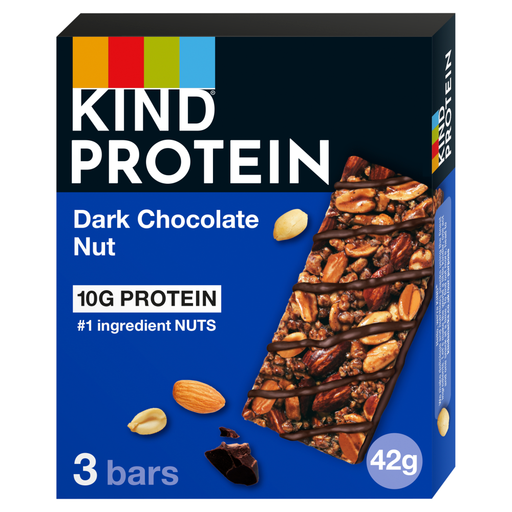 No image available
Three 42g bars provide separately sized snack portions. If the protein figure drives your decision, compare the current per-bar label rather than relying on the word ‘Protein’ in the name; check nut and other allergen information too.
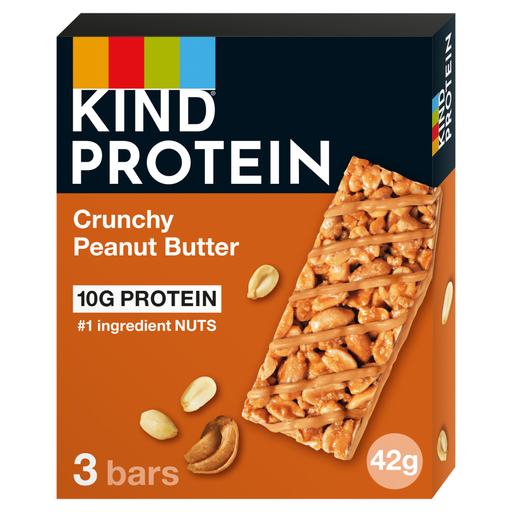 No image available
This is a three-pack of 42g bars. Compare its protein and sugars per bar with the Dark Chocolate Nut variant, and read the exact label if peanuts or other allergens are a concern.
 No image available
Four 35g bars offer a smaller stated portion than the other packs shown here. Check protein, sugars and fibre per bar against your priorities, along with the current ingredient and allergen label.
No special food or drink is needed to make breast milk, according to Imperial College Healthcare NHS Trust, and the NHS says breastfeeding does not require a special diet. Choose a bar for convenience if it suits you, rather than for a promised effect on breast milk.
Start with protein per whole bar and the bar’s weight, so you know what one serving provides. Then compare the per-bar sugars, fibre and other nutrition that matters to you, and check ingredients and allergens for the exact flavour.
Some bars use polyols, also called sugar alcohols. Barebells’ Cookies & Cream bar carries an excessive-consumption laxative-effects warning; read the ingredients and warning on your chosen pack, particularly if you are unsure of your tolerance.
No. Tesco labels its TREK High Protein Choc Caramel bar suitable for vegans, but its product information also identifies soya and peanuts and includes precautionary allergen information. Read the exact current label for any ingredients you need to avoid.
Treat it as a convenient snack rather than assuming it replaces a varied meal. The NHS advises a varied diet while breastfeeding; if eating regularly is difficult or you follow an advised elimination diet, ask a GP, health visitor or dietitian for individual guidance.