Choose a protein bar for an office packed lunch by checking the nutrition and ingredients for the whole bar, rather than relying on its front-of-pack protein or sugar claim. A portable bar can serve as a snack alongside lunch; the right one depends on the portion you want, its wider nutrition information and whether the exact flavour meets your dietary needs.
Who is this for?
Office workers packing a portable snack
An individually wrapped bar can go alongside a packed lunch or be kept for a break between meetings. Compare the amount in the whole bar with the rest of its nutrition panel, rather than choosing on protein content alone.
People who read food labels closely
If sugars, saturated fat, ingredients or allergens affect your choice, check the label for the exact flavour and pack size. A figure shown per 100g is not necessarily the amount in one bar.
People choosing a snack to accompany lunch
A protein bar may be useful when you want something ready to pack, but its protein claim does not describe everything in the bar or make it a complete lunch.
What should you check?
Start with the amount you will eat, then read the wider label and ingredients for that specific bar.
| Priority | What to check | Your needs |
|---|
| Protein and portion | Check protein per whole bar, the bar’s weight and whether the pack contains one bar or several. Compare figures on the same serving basis. | I want to know what the bar I put in my lunch bag actually provides, without treating its protein figure as a description of the whole lunch. |
| Whole-bar nutrition | Read energy, sugars, saturated fat, salt and fibre alongside protein. Use per-100g figures to compare different sizes, then check the amount per bar. | A low-sugar claim alone does not settle my choice; I also care about the other figures for the portion I will eat. |
| Ingredients and suitability | Read the exact flavour’s ingredients, allergen statement and any sweetener or polyol information. Recheck the pack if you change flavours. | If I avoid an ingredient or know that certain sweeteners do not suit me, I need the details for this particular bar. |
| Packed-lunch role | Consider whether the bar is a snack alongside lunch or one component of it. Check the pack format if you need something that requires no preparation. | I need something easy to pack, but I do not want a protein claim to stand in for choosing the rest of my lunch. |
Common buying mistakes
-
Treating a protein claim as a verdict on the whole lunch
The protein figure does not tell you the bar’s energy, saturated fat, sugars or salt, or what else your packed lunch contains.
Read the nutrition panel for the whole bar and decide what role it will play alongside the other food you pack.
-
Buying a box before trying the bar
Texture, flavour and individual tolerance of ingredients such as polyols can affect whether you want to eat the remaining bars. Myprotein and PhD include warnings about excessive consumption on their product information.
If those factors matter to you, try the exact flavour before committing to a multipack and follow its portion guidance.
A multipack leaves you with more bars of the same flavour if it does not suit you.
-
Assuming every flavour has the same label
Myprotein says nutrition can vary by flavour. Ingredients and allergen statements also need checking on the product you actually intend to pack.
Check the current label for the exact flavour and bar size before buying or packing it.
Brand and retailer references
These examples show why it is worth comparing particular bars and flavours rather than making assumptions about an entire brand.
Grenade
Tesco lists the Grenade Carb Killa Chocolate Chip Salted Caramel bar as a 60g product; its listing states 21g protein per bar.
- The Tesco listing provides figures for the individual bar as well as ingredient information.
- That listing concerns one flavour. Check its saturated fat, polyols and allergen statement before choosing it.
PhD
PhD presents Smart Bar as a between-meals option.
- The Chocolate Brownie example in PhD’s product information is a 64g bar, allowing a whole-serving comparison.
- Check the exact flavour’s nutrition and allergens; PhD also warns that excessive consumption may cause laxative effects.
Myprotein
Myprotein describes its Layered Protein Bar as containing 20g protein.
- Its Triple Chocolate Fudge product information gives figures for a 60g bar.
- Myprotein says nutrition varies by flavour and states that the cited bar is not suitable for vegetarians.
Barebells
Barebells states that its Cookies & Cream bar contains 20g protein per bar.
- The cited product is a 55g bar, so its portion size is clear when comparing labels.
- Its ingredient and precautionary allergen information matters if you need to avoid milk or other listed allergens.
Quest
Quest says its Original protein bars contain up to 21g protein per bar.
- Quest offers another product range to assess by its individual bar and flavour.
- Check the UK pack’s ingredients, nutrition and allergen label before using the brand-level figure to make a choice.
Tesco
Tesco is a retailer of protein bars from multiple brands, not the manufacturer of every bar in its category.
- Its product listings can help you inspect a named bar and flavour.
- Check the individual listing for the seller and the current ingredients, allergens and nutrition; category-level information does not establish those details for every item.
Protein bars on Joybuy
These Grenade and PhD multipacks are options for packing individual bars for office snacks. Check the exact flavour and label when deciding between them.
 No image available
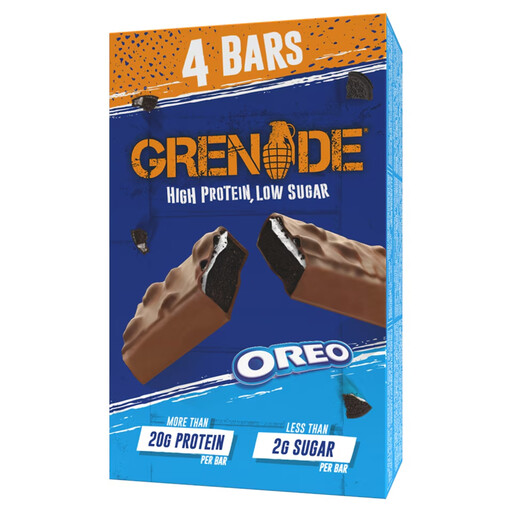
Grenade Oreo Flavour Protein Bars, 4 × 60g
A four-bar pack offers individual portions to put alongside an office lunch.
Check the Oreo Flavour pack’s whole-bar nutrition, ingredients and allergen statement before choosing it.
View on Joybuy
 No image available
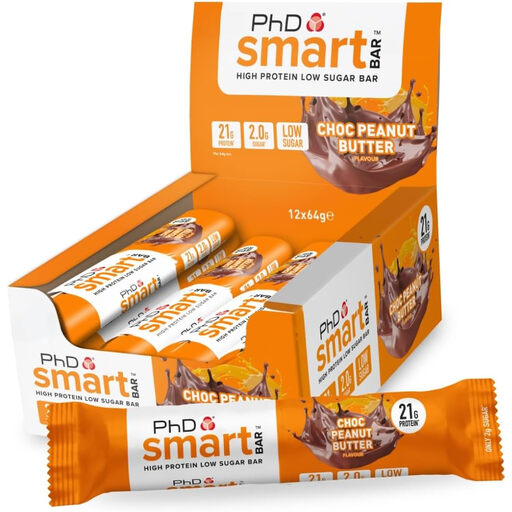
PhD Smart Protein Bar, Chocolate Peanut Butter Flavour, 12 × 64g
This twelve-bar pack is a choice to consider if you regularly pack a bar for a between-meals snack.
Confirm the flavour on the product and pack before relying on its nutrition or ingredient information: the supplied title and description name different flavours.
View on Joybuy
 No image available
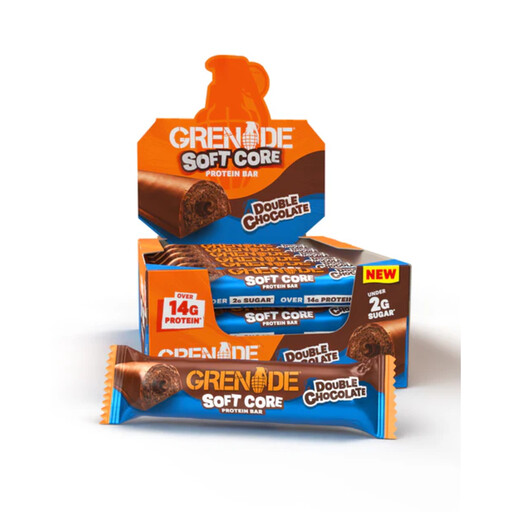
Grenade Soft Core Double Chocolate, 12 × 50g
The 50g bar size is worth noting if you are choosing a portion to pack with lunch.
Compare its protein and other nutrition per bar with any 60g or 64g option, and check the Double Chocolate ingredients.
View on Joybuy
 No image available
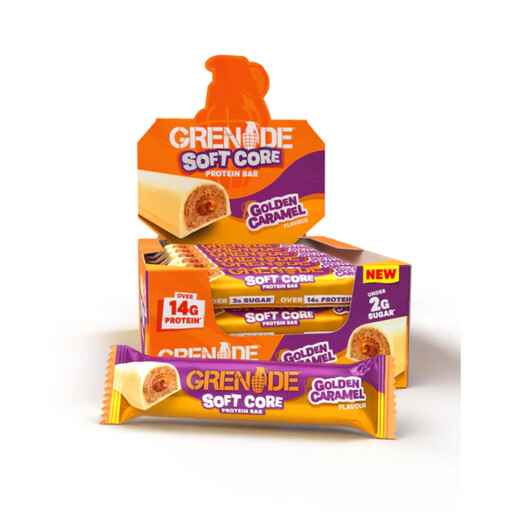
Grenade Soft Core Golden Caramel, 12 × 50g
This twelve-pack provides 50g bars for an office snack.
If Golden Caramel appeals, check that flavour’s whole-bar nutrition and ingredients rather than assuming they match another Soft Core bar.
View on Joybuy
 No image available
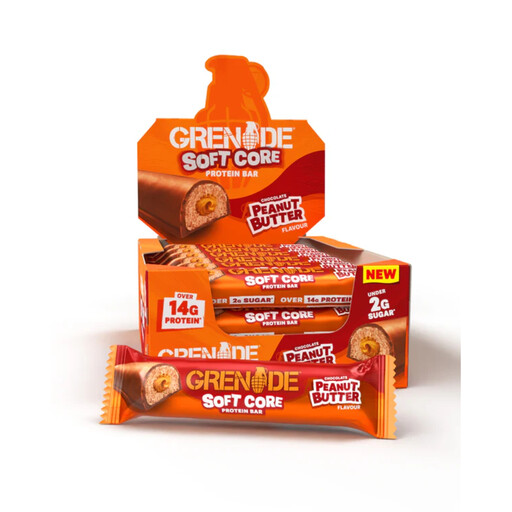
Grenade Soft Core Peanut Butter, 12 × 50g
The pack contains twelve 50g bars, so compare nutrition using one bar as the portion.
Peanuts are a stated allergen for this variant; check the current ingredient and allergen label before putting it in a packed lunch.
View on Joybuy
Questions about packed-lunch protein bars
Should I compare protein bars per 100g or per bar?
Use both: per-100g figures put different bar sizes on a common basis, while the per-bar figures describe the portion you plan to pack. Check the bar’s weight and serving information before comparing two labels.
Can a protein bar replace my office lunch?
Do not assume that a protein claim makes a bar a complete lunch. Treat it as a snack or one part of your packed lunch, and consider the rest of the food you are packing.
Why check sweeteners when a bar is labelled low sugar?
Sugar and sweetener information describe different ingredients. Read the exact bar’s ingredients and portion guidance; Myprotein and PhD warn that excessive consumption of their cited bars may have laxative effects.
How do I check whether a bar suits my dietary restrictions?
Read the current ingredients and allergen statement for the precise flavour and pack size you intend to buy. Do not assume that another flavour in the range has the same ingredients or dietary suitability.


