Parents filling mixed-age party bags
When ages and dietary needs differ, the largest protein figure is not a useful rule for choosing one snack for every child. Select a food that suits the group, and let families check its original packaging.


For mixed-age children’s party bags, choose a conventional age-appropriate snack rather than selecting an adult-style protein bar for its protein figure. NHS guidance and advice from Norfolk and Norwich University Hospitals NHS Foundation Trust focus on varied foods and regular meals and snacks; consider a particular bar for an older child only when their parent has confirmed the exact product is appropriate and the party’s food rules allow it.
When ages and dietary needs differ, the largest protein figure is not a useful rule for choosing one snack for every child. Select a food that suits the group, and let families check its original packaging.
A familiar protein snack for a named child is a different decision from handing the same bar to every guest. Check that child’s needs against the exact flavour, ingredients and portion.
Check the setting’s food policy and individual allergy arrangements before selecting packaged food. The NHS notes that some nurseries are peanut- or nut-free.
The first decision is whether the snack is for an entire group or for a child whose parent has approved a specific product. Then check the pack and the setting in which it will be shared.
Consider when: You are filling bags for children of different ages or do not know every family’s food preferences.
Keep in mind: An everyday snack still needs an age-appropriate format, an ingredient check and any checks required by the venue.
Consider when: The parent of a named older child has confirmed that the exact bar is appropriate for them.
Keep in mind: That confirmation does not make the bar suitable for the rest of the party, and it does not replace varied meals and snacks.
| Priority | What to check | Your needs |
|---|---|---|
| Everyday food fit | Consider the child’s age, the portion and whether the item is a familiar snack rather than an adult-style protein product. Norfolk and Norwich University Hospitals NHS Foundation Trust advises varied protein foods alongside regular meals and snacks for children aged 6–12. | I’m filling bags for a mixed group, so I would rather choose a snack that does not depend on a high protein figure to justify it. |
| Ingredients and allergens | Read the ingredients and allergen statements on every exact flavour. Keep the original wrapper with the food so a parent can inspect it. | Some guests may have dietary restrictions I do not know about; a brand name or a front-of-pack claim is not enough for me to make that decision. |
| Portion and warnings | Check the portion size, fibre information, sweeteners or polyols, and any pack warning. Barebells states that excessive consumption of its Hazelnut Nougat bar may have laxative effects; the NHS cautions that high-fibre foods can fill small children before they get other calories and nutrients. | If I’m considering a bar for one child, I want the parent to see the whole pack rather than judge it by its sugar claim. |
| Restricted diets | Check the exact recipe even when a product is described as vegan or as having no added sugar. Barebells says its vegan range uses soy and wheat proteins and contains gluten. | A plant-based label might matter to my family, but I still need to check the child’s other restrictions. |
| Party setting | Ask about the school or nursery food policy and the arrangements for individual allergies. The NHS notes that some nurseries are peanut- or nut-free. | I need a choice the organiser can distribute under the setting’s rules, not just one that looks suitable on a shop shelf. |
Protein per bar does not establish whether an adult-style product suits a child or a mixed party group. Norfolk and Norwich University Hospitals NHS Foundation Trust describes varied everyday protein foods as part of children’s regular eating.
For a general party bag, start with an age-appropriate snack. Reserve consideration of a particular protein bar for a child whose parent has approved it.
That claim does not describe the bar’s allergens or other ingredients. For example, Barebells lists milk, hazelnuts and soy in its Hazelnut Nougat bar and warns that excessive consumption may have laxative effects.
Read the full label, including ingredient, allergen and warning statements, before choosing the exact flavour.
Ingredient and cross-contact statements can differ between products. DDC Foods lists milk and soy for Grenade Carb Killa Cookie Dough and says several other allergens may be present.
Check each flavour in a mixed box separately, and leave its original wrapper on so families can review it.
Norfolk and Norwich University Hospitals NHS Foundation Trust advises regular meals and snacks for children aged 6–12. A party-bag item is not a substitute for that pattern.
Let parents decide whether and when their child eats the item.
These examples illustrate why the exact product label matters; they are not recommendations to put these bars in children’s party bags.
DDC Foods lists the Grenade Carb Killa Cookie Dough bar as a 60 g product with 20 g protein and 1.9 g sugars per bar.
PhD describes its Smart Bar Half Size as a 32 g bar with 10 g protein; its nutrition information uses an adult reference intake.
Barebells describes vegan and other protein-bar ranges, with ingredients that vary by product.
Quest Nutrition’s US page lists 21 g protein, 12 g dietary fibre and 7 g sugar alcohols for a 60 g serving of its S’Mores bar.
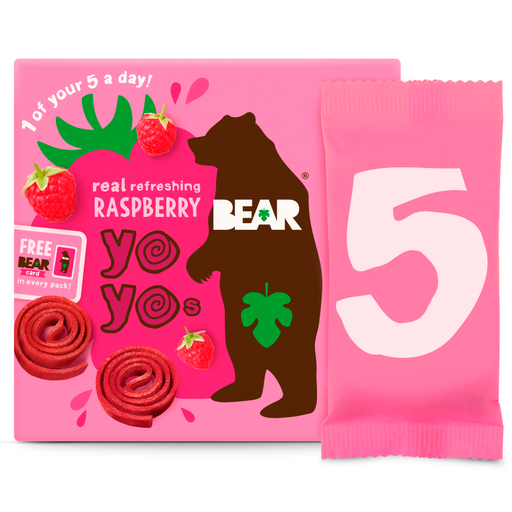
The product below is a fruit-snack option for the conventional-snack route, not a high-protein bar. Check its exact wrapper and the party’s food arrangements before sharing it.
 No image available
This is a fruit-snack option to consider for party bags rather than an adult-style protein bar. The pack contains five 20 g portions; check the exact wrapper for ingredients and allergens before sharing.
No: for a mixed-age group, choose an age-appropriate conventional snack rather than an adult-style bar on the strength of its protein claim. NHS guidance and advice from Norfolk and Norwich University Hospitals NHS Foundation Trust describe varied foods and regular meals and snacks for children; a particular bar needs a separate decision with the child’s parent.
Check the exact flavour’s ingredients, declared allergens, “may contain” statements, portion and any warning. Product examples from Barebells, Grenade’s retailer and Quest Nutrition list different allergens or cross-contact statements, so do not assume that another flavour has the same label.
Ask the setting about its food policy and individual allergy arrangements before bringing any bar. The NHS notes that some nurseries are peanut- or nut-free; a parent’s approval of one product for one child does not override the setting’s rules for shared food.
No. It does not answer questions about allergens, portion or pack warnings. Barebells describes its Hazelnut Nougat bar as having no added sugar, but also lists milk, hazelnuts and soy and warns that excessive consumption may have laxative effects.
Check the exact bar against all of that child’s dietary restrictions rather than relying on “vegan” alone. Barebells states that its vegan range uses soy and wheat proteins and contains gluten.