Packed-lunch shoppers comparing protein
If you want a portable addition to a ploughman’s lunch, compare the protein in one bar as well as the size of that bar. A larger portion does not necessarily make the figures directly comparable.


Choose a bar by its stated protein per bar, then check the portion size, full nutrition label and ingredients before adding it to a ploughman’s lunch. Tesco lists 10g protein per 40g Nature Valley Peanut & Chocolate bar, Decathlon UK lists 9.8g per 50g TREK Biscoff flapjack, and Waitrose & Partners lists 9g per Kellogg’s Almond & Salted Caramel bar; their formats and dietary suitability differ, so the protein figure alone does not settle the choice.
If you want a portable addition to a ploughman’s lunch, compare the protein in one bar as well as the size of that bar. A larger portion does not necessarily make the figures directly comparable.
Decathlon UK describes the TREK Biscoff protein flapjack as vegan and lists 9.8g protein per 50g bar. Check the current pack if a different flavour or a particular ingredient restriction matters.
Nut, soy, milk and gluten-related requirements call for a check of the exact bar’s ingredients and allergen statement. Vegan or gluten-free wording does not answer every allergen question.
Start with the amount in the bar you will pack, then read the nutrition and ingredient information for that same flavour and portion.
| Priority | What to check | Your needs |
|---|---|---|
| Protein per bar | Compare protein in grams per bar and note each bar’s weight. Tesco lists 10g per 40g Nature Valley Peanut & Chocolate bar; Decathlon UK lists 9.8g per 50g TREK Biscoff flapjack; Waitrose & Partners lists 9g per Kellogg’s Almond & Salted Caramel bar. | I want to know what one bar adds to my lunch, rather than judging it by the words on the wrapper. |
| Full nutrition label | Read sugars, saturates and salt as well as protein. Compare per-100g values on the same basis, then check what one bar contains. The NHS explains that nutrition labels give per-100g figures and may also give per-portion figures. | My lunch may also include cheese, bread and pickle, so I want to assess the bar alongside the other foods I am packing. |
| Ingredients and allergens | Check the ingredient list and allergen statement for the exact flavour. Decathlon UK describes TREK Biscoff as vegan; that description alone does not establish whether it meets a wheat, oat or soya restriction. | If someone eating the lunch has an allergy or dietary requirement, I need the current pack information—not just a broad claim such as vegan or gluten-free. |
Bars come in different portion sizes, and a protein claim says nothing by itself about sugars, saturates or salt.
Compare grams of protein per bar, then use the nutrition table to compare the other figures per 100g and per bar.
A vegan description and a gluten-free description answer different questions; neither replaces the ingredient and allergen statement for the flavour you are buying.
Check the current pack, including any relevant precautionary allergen wording, before choosing a bar for someone with an allergy.
A ploughman’s lunch can contain several foods, so the bar’s protein figure does not describe the nutrition of the whole meal.
Consider the bar’s portion and nutrition figures alongside the cheese, bread, pickle and other items you plan to pack.
Its Protein range includes nut-based bars. Nature Valley UK says the range provides 7g–10g protein per bar, depending on flavour.
An oat-flapjack option for shoppers who prefer that format. Decathlon UK describes the 50g Biscoff protein flapjack as vegan.
Its Almond & Salted Caramel bar offers a nut-bar format. Waitrose & Partners lists 9g protein per bar.
Graze describes a snack range that includes products positioned around plant protein or fibre. Check the particular bar rather than applying a range-wide description to every flavour.
These bars offer nut-bar and flapjack formats to consider as a portable addition to a ploughman’s lunch. Compare the exact flavour, pack size and label when choosing between them.
 No image available
A nut-bar format to consider when packing a separate bar with lunch. The listed pack contains four 40g bars; check this flavour’s protein figure and allergen statement on the current pack.
 No image available
An eight-pack of 40g Peanut & Chocolate bars for packing individually. Tesco lists 10g protein per 40g bar of this flavour; check the current pack’s nutrition and allergen information before choosing it.
 No image available
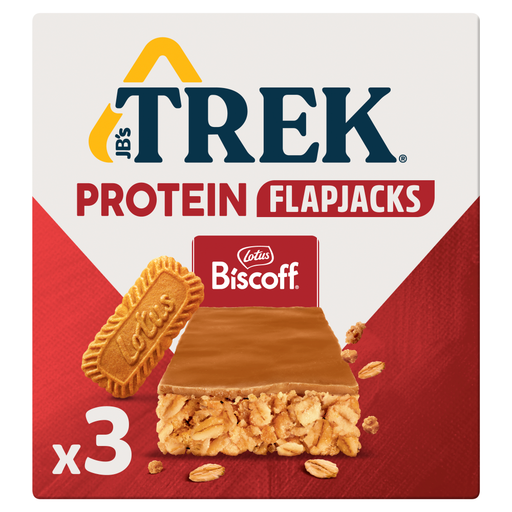
A three-pack of 50g flapjacks for shoppers considering a Biscoff-flavoured alternative to a nut bar. Decathlon UK describes the Biscoff protein flapjack as vegan and lists 9.8g protein, 12g sugars and 4.4g saturates per 50g bar; check the current pack for ingredients and allergen information.
 No image available
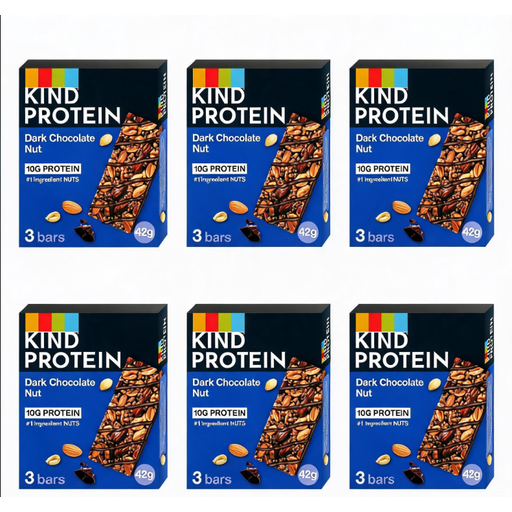
A dark-chocolate nut-bar option if you prefer that format with lunch. Keep the listed 3 x 42g x 6pcs pack configuration in mind, and check the current nutrition and allergen information for the bar you intend to pack.
 No image available
A three-pack of 50g salted-caramel flapjacks for shoppers who prefer a flapjack with their lunch. Check this flavour’s own protein, sugars and saturates figures and its allergen statement rather than applying the Biscoff variant’s details to it.
Compare protein in grams per bar and note the weight of each bar, then read its sugars, saturates and salt figures. The NHS explains that prepacked-food nutrition labels give per-100g values and may also show per-portion values, which helps when bar sizes differ.
No. It does not tell you the bar’s sugars, saturates, salt or ingredients. For example, Decathlon UK lists 9.8g protein, 12g sugars and 4.4g saturates per 50g TREK Biscoff flapjack; read those figures alongside the rest of the lunch and your dietary requirements.
Check the exact current pack before making that choice. Nature Valley UK says its Protein range uses nuts and isolated soy protein, while the listed TREK Biscoff and Kellogg’s Almond & Salted Caramel bars also have ingredient or allergen considerations. Do not rely on a flavour name or a different bar’s label.
Decathlon UK describes the TREK Protein Flapjack Biscoff as vegan and lists 9.8g protein per 50g bar. Check the current pack if ingredients, cross-contact wording or a different TREK flavour affect your choice.