Families needing an occasional backup snack
A wrapped bar may be useful on a day when portability matters. It should sit alongside the lunch rather than stand in for it; the NHS Eatwell Guide considers balance across a day or week.


Choose a protein bar as an occasional portable snack, not as the basis of a secondary-school packed lunch. The NHS Eatwell Guide frames dietary balance across a day or week, while The Independent’s 2026 nutritionist-led review describes protein bars as occasional convenience foods. Before buying a grab bag, check the school’s food policy and the exact flavour’s current label for allergens, precautionary warnings and sweeteners.
An individually portioned bar can be convenient, but whether it belongs in a lunchbox depends on the pupil, the rest of the lunch and the school’s rules.
A wrapped bar may be useful on a day when portability matters. It should sit alongside the lunch rather than stand in for it; the NHS Eatwell Guide considers balance across a day or week.
If a pupil wants this format, check the exact product’s ingredients and whether the school permits it. Protein content alone does not settle either question.
Screen each flavour and pack separately. Protein-bar examples listed by Tesco and Barebells include nuts, milk or soya, as well as precautionary allergen wording, depending on the product.
Start with whether a bar is needed at all. If it is, check the school policy and label before choosing between a small multipack and a larger sports-style bar.
| Priority | What to check | Your needs |
|---|---|---|
| Place in the lunch | Consider what else is packed and whether the bar is a snack or being used instead of lunch. The NHS Eatwell Guide looks at balance over a day or week. | I need something portable for an occasional busy day, without making a protein claim the reason to replace lunch. |
| School and allergy rules | Check the school’s current food policy, then read the physical pack for ingredients, highlighted allergens and any “may contain” statement for that flavour. | A bar has to fit the pupil’s allergy needs and the school’s rules, even if another flavour from the same brand has been suitable. |
| Sweeteners | Read the ingredients and any on-pack excessive-consumption warning. Tesco’s PhD Smart Chocolate Brownie listing and Barebells’ selection-box information include laxative-effect warnings. | If this is an unfamiliar bar, I would rather try one at home before putting it in a school lunchbox. |
| Pack and portion | Compare the number of bars, the weight of each bar and whether flavours differ within the pack. Tesco lists protein-snack multipacks with 40g bars alongside larger sports-style formats. | A small pack makes sense if the flavour, ingredients or likely frequency of use is still uncertain. |
| Nutrition label | Compare figures on the same basis, such as per bar or per 100g, and check the full ingredients rather than a front-of-pack protein or sugar claim alone. | I want to understand what this particular portion contains, not assume that a high-protein or low-sugar description answers every lunchbox question. |
A bar can be convenient without being a substitute for the rest of a packed lunch. The Independent’s 2026 nutritionist-led review describes protein bars as occasional convenience foods rather than everyday essentials.
Plan the lunch first, then decide whether a bar has a useful place as a snack.
A flavour name does not give the full allergen picture. Tesco identifies Myprotein Layered White Gold as unsuitable for peanut or nut allergy sufferers, and Barebells’ Caramel Cashew contains cashew and peanut ingredients.
Check the school policy and the current label of every flavour, including precautionary allergen statements.
Some bars use sweeteners. Tesco’s PhD Smart Chocolate Brownie listing and Barebells’ selection-box information warn that excessive consumption may have laxative effects.
Try an unfamiliar product at home first rather than packing several bars for a school day.
A larger pack is less useful if the pupil dislikes a flavour or its ingredients conflict with school rules.
Check a single bar or small permitted multipack before choosing a larger case; assess each flavour separately in a mixed box.
These examples show why the exact flavour and pack matter more than the brand name when shopping for a school lunchbox.
Grenade sells sports-style protein bars in individual portions and multipacks.
PhD’s Smart Protein Bars include 64g single-bar and multipack formats.
Myprotein offers Layered Protein Bars in several flavours and pack formats.
Quest protein bars are listed by UK specialist retailers in individual and multipack formats.
Barebells offers 55g bars and a mixed selection box containing several flavours.
Tesco is a retailer listing individual protein bars and multipacks from several brands.
These Joybuy options include small protein-snack multipacks, a protein flapjack multipack and a larger sports-style bar multipack. For a secondary-school lunchbox, check each exact pack against the school policy and the pupil’s allergy needs before choosing.
 No image available
A four-bar sports-style multipack to consider for occasional use rather than as a lunch replacement. Check the current label for milk, wheat and soya allergens, polyols and any school restrictions; try an unfamiliar bar at home first.
 No image available
A four-bar pack for families considering a smaller snack portion. The peanut flavour needs particular attention where a pupil has an allergy or a school restricts nuts; check the full allergen statement on the current pack.
 No image available
Another four-bar, 40g-per-bar option for occasional portions. Its nut flavour makes the school policy and the exact pack’s peanut, almond and other allergen information essential checks.
 No image available
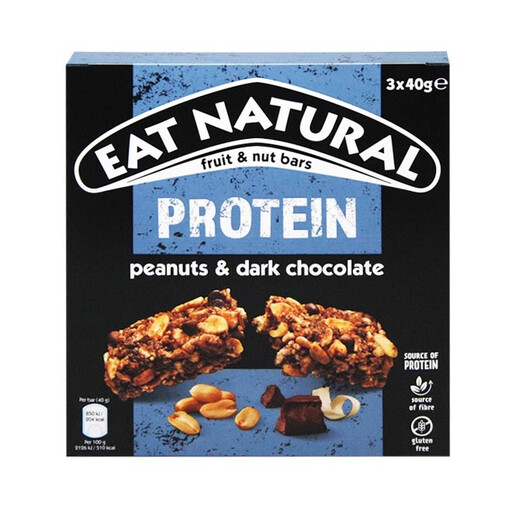
The three-bar pack offers a way to try this flavour without choosing a larger case. Because the product contains peanuts, check the school’s nut rules and the current pack’s complete allergen statement before including it in a lunch.
 No image available
A three-pack for pupils who prefer a flapjack format to a conventional protein bar. Check the current pack for soya and any precautionary allergen wording; do not assume a product is suitable for a nut-sensitive lunch because nuts are absent from its name.
Not by default. The NHS Eatwell Guide considers dietary balance across a day or week, and The Independent’s 2026 nutritionist-led review treats protein bars as occasional convenience foods. Consider a bar as a snack when it fits the pupil and the rest of the lunch, not as a replacement justified by its protein claim.
The Department for Education’s September 2026 guidance describes legal requirements for food and drink provided in state-funded schools in England; that scope does not itself provide a universal permission list for lunches packed at home. Check the individual school’s packed-lunch and allergy policies.
Read the current pack’s ingredients, highlighted allergens and any precautionary “may contain” statement for the exact flavour. Then check the portion size and nutrition information on a consistent per-bar or per-100g basis; online listings alone should not decide an allergy-sensitive choice.
No. Check the ingredients and warnings as well as the sugar figure. Tesco’s PhD Smart Chocolate Brownie listing and Barebells’ selection-box information warn that excessive consumption may have laxative effects, so an unfamiliar bar is better tried at home first.
Try a suitable single flavour or small pack first, after checking the school policy and allergens. A mixed box can contain flavours with different ingredients: Barebells’ UK selection box, for example, includes cashew, peanut and hazelnut varieties, so each one needs its own label check.