Parents packing an occasional bar
Compare the nutrition for one bar, then consider how it fits alongside the other foods in the packed lunch. Protein alone does not tell you what the whole snack contains.


For an occasional school packed-lunch snack, check the school’s food policy and the child’s allergens before comparing protein per bar. Then consider the portion size, sugars and saturated fat alongside protein; a bar is one snack item, not a replacement for the rest of lunch.
Compare the nutrition for one bar, then consider how it fits alongside the other foods in the packed lunch. Protein alone does not tell you what the whole snack contains.
Nut-containing bars and products with other allergen warnings need to be checked against both the child’s allergies and the individual school’s packed-lunch policy before they go in a lunchbox.
Check the claim on the exact pack as well as its ingredients and may-contain statement. Vegan or gluten-free labelling does not establish that a bar is free from nuts or other allergens.
Start with whether the bar can go to school, then compare nutrition for the portion you would actually pack.
| Priority | What to check | Your needs |
|---|---|---|
| School rules and allergens | Read the school’s packed-lunch policy and the exact pack’s ingredients and may-contain statement. Check again if the product or packaging changes. | I need a bar that the school permits and that the child can eat. England’s Department for Education allergy guidance includes food brought from home when schools plan their allergy-safety arrangements. |
| Protein per bar | Find the grams of protein for one bar and its weight; do not compare a per-100g figure with another product’s per-bar figure. | If I pack one bar, I want to know how much protein is in that portion, rather than relying on a front-of-pack protein claim. |
| Whole-bar nutrition | Compare sugars, saturated fat and energy for the same serving size. Front-of-pack traffic-light labels, where shown, provide another way to read those values. | A no-added-sugar or protein claim is not enough for my choice; I want to see the total sugars and the rest of the nutrition panel too. |
| Place in the lunch | Consider the bar alongside the other packed-lunch foods, rather than treating its protein figure as a measure of the whole meal. | I’m packing a portable snack, not using a bar in place of the main lunch foods, fruit or vegetables. |
That claim does not describe the bar’s sugars or saturated fat. In its 2025 report on supermarket snack bars, Action on Sugar stated that 37% of the bars assessed would be high in sugars and 55% high in saturated fat under voluntary UK front-of-pack traffic-light criteria.
Read protein, sugars, saturated fat and energy for one bar before comparing products.
Several protein-bar examples contain peanuts or other allergens. England’s Department for Education allergy guidance says schools should consider food brought from home in their allergy-safety arrangements.
Check the school’s current policy and the exact pack’s ingredients and may-contain statement before packing a bar.
Tesco lists 13g of sugars per 45g Nakd Cocoa Hazelnut Protein Bar despite its no-added-sugar claim.
Compare total sugars per bar, not just wording on the front of the pack.
The Nakd Cocoa Hazelnut bar is listed as vegan and gluten-free but contains peanuts and hazelnuts. Dietary claims address different questions from an individual allergen declaration.
Read the full declaration, including may-contain warnings, for the particular bar.
These examples show why the exact flavour and pack matter more than a brand-wide protein claim.
Its Protein Peanut & Chocolate and other protein-bar variants provide different nutrition and ingredient profiles.
Trek’s Original Oat Protein Flapjack is presented as a plant-protein option.
The Cocoa Vanilla Protein Flapjack is an oat-based bar to assess by its 54g portion.
Its Peanut & Dark Chocolate Protein Bar is a nut-based option.
The Cocoa Hazelnut Protein Bar combines a no-added-sugar claim with a nut-containing recipe.
Tesco has listed an Alpen Protein Bar Chocolate multipack; Alpen muesli is a different product type.
These are protein-bar and flapjack options to compare for an occasional school packed-lunch snack. Check the current pack and school policy for each flavour; a listing for one variant does not establish the ingredients of another.
 No image available
Consider this nut-containing variant only if it fits the child’s allergies and the school’s policy.
The pack contains four 40g bars. This variant is listed as containing peanuts, almonds, milk and soya; check the current pack before use.
 No image available
If a plant-based flapjack is on your shortlist, check the dietary claims and nutrition on this flavour’s pack.
The pack contains three 50g flapjacks. This variant’s selection information identifies soya; read the current allergen and may-contain statements before packing it for school.
 No image available
Compare this bar’s protein figure only if a peanut-containing product is permitted by the school and suitable for the child.
Nature Valley lists 10.2g protein per 40g bar for this variant. It contains peanut, soya and milk and may contain tree nuts; check the current pack.
 No image available
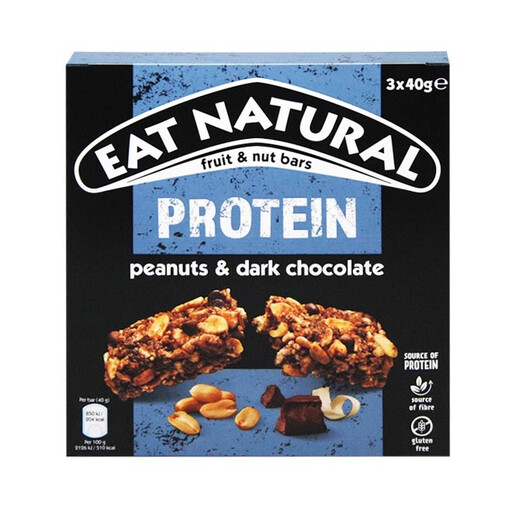
Check this peanut-containing option against the school’s policy before comparing its per-bar nutrition.
The pack contains three 40g bars. This variant is listed as containing peanuts, other nuts, milk and soya; check its current ingredient declaration.
 No image available
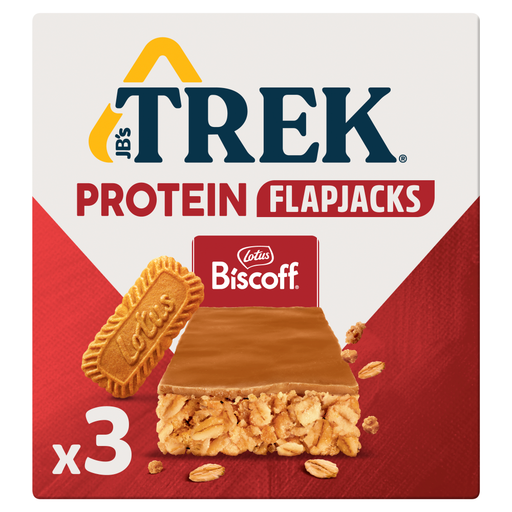
For this flapjack, check the nutrition panel as well as the school’s allergen rules before choosing it for a lunchbox.
The pack contains three 50g flapjacks. This variant is listed as containing wheat and soya, with may-contain warnings for peanuts, other nuts and milk; confirm the current pack declaration.
No. Treat a bar as an occasional snack item alongside the other packed-lunch foods, not as a replacement for the main lunch, fruit or vegetables.
Check the individual school’s packed-lunch and allergy policy first, as well as whether the child can eat peanuts and the bar’s other ingredients. England’s Department for Education allergy guidance includes food brought from home in schools’ allergy-safety arrangements.
No. Tesco lists 13g of sugars per 45g Nakd Cocoa Hazelnut Protein Bar despite its no-added-sugar claim. Compare the total sugars figure for the portion you would pack.
Compare grams of protein for one bar, checking that each figure refers to the stated bar weight rather than 100g or a multipack. Then read sugars, saturated fat and allergens for those exact variants before choosing one for school.