
24/7 Customer Support

Free returns

Same-day & Next-day Delivery

Quality Guaranteed

Unlock Your Welcome Offers: FREE Delivery | Up to 80% OFF | Free 30-day JoyPlus trial
Download the APP
Navigating the world of protein bars can feel like a workout in itself. Shelves are packed with options, all promising to be the perfect fuel for your fitness goals or busy lifestyle. Yet, many UK shoppers find themselves with a snack that’s more akin to a glorified chocolate bar, derailing their health efforts and wasting money. As a Joybuy Product Recommendation Officer, my role is to help you see past the clever marketing and make an informed choice.
Before you add another bar to your basket, let's look at the common pitfalls that catch people out.
To avoid these traps, focus on three core parameters on the nutrition label. This will help you choose effective high protein snacks that align with your goals, whether that's finding a post-workout snack or a convenient meal replacement bar.
A simple way to gauge a bar's true purpose is to look at its protein-to-calorie ratio. A genuine protein supplement will offer a significant amount of protein for a relatively modest calorie count. As a general rule of thumb, aim for at least 15-20 grams of protein in a bar that sits around the 200-250 calorie mark. If a bar has 10 grams of protein but over 300 calories, it's likely more of an energy bar than a protein-focused snack.
Always check the "Carbohydrates" section on the label and look for two specific lines: "of which sugars" and "of which polyols". An effective low sugar protein bar should have a sugar content of just a few grams. If the polyol content is very high (e.g., over 15-20g), be mindful of how your body reacts to sugar alcohols. This is crucial for finding healthy snack bars that won't cause bloating or discomfort.
The type of protein affects how your body uses it. Here’s a quick breakdown:
Instead of a one-size-fits-all approach, we've matched some promising options to different needs and lifestyles.
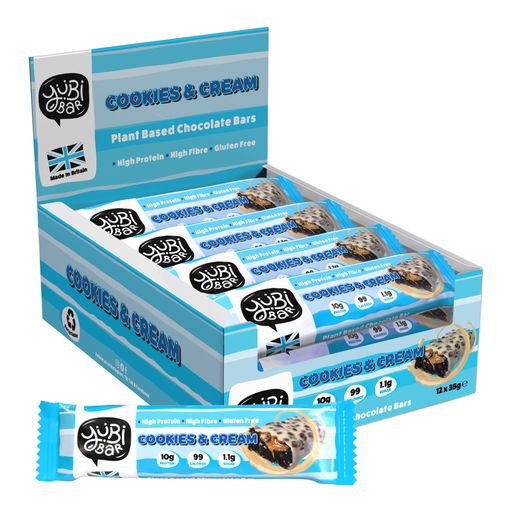
Why This Fits Their Persona: Perfect for someone who wants a lighter, guilt-free snack to curb afternoon cravings without a heavy calorie load. It's a great entry-point into protein snacks or for those on a calorie-controlled diet.
This bar directly counters the "healthy halo" trap. At just 99 calories, it's genuinely a light snack, not a hidden calorie bomb. The sugar is also very low at 1.1g per bar.
Provides 10g of plant-based protein in a small, convenient 35g bar. It's also HFSS compliant, aligning with UK health standards.

Why This Fits Their Persona: Designed for those who take their training seriously. It delivers a substantial protein hit to support muscle repair and is a popular choice for a satisfying post-workout snack.
It sidesteps the "vague protein promise" by using a high-quality blend of calcium caseinate and whey protein isolate. With just 1.0g of sugar, it relies on polyols for sweetness, a trade-off many serious athletes accept for the low sugar content.
A very strong protein-to-calorie ratio, with 21g of protein in a 233-calorie bar. The multi-layered texture and popular flavour make it feel like an indulgent treat.

Why This Fits Their Persona: For those days when there's no time for a proper lunch. This bar is specifically formulated as a meal replacement, offering balanced nutrition to keep you going without resorting to unhealthy takeaway options.
Unlike a simple protein snack, this bar is fortified with a full spectrum of 23 essential vitamins and minerals. This avoids the trap of replacing a meal with something that lacks comprehensive nutrition.
Designed for satiety, it contains 16g of protein and 4.8g of fibre to help you feel full. It's a structured, convenient solution for calorie and portion control on busy days.
We have compiled a complete, real-time list of products that fully satisfy these strict selection criteria and UK safety regulations.
Some bars, like the Slimfast option mentioned, are specifically formulated as meal replacement bars and are fortified with vitamins and minerals to provide balanced nutrition. However, most standard protein bars are designed as supplements or snacks. They typically lack the full range of nutrients found in a whole-food meal and shouldn't be used to replace meals on a regular basis.
Yes, you can eat protein bars daily as part of a balanced diet. They are a convenient way to increase your protein intake, especially around workouts or when you're on the go. However, it's important to remember that whole food sources of protein (like chicken, fish, eggs and legumes) should still form the foundation of your diet. Always check the ingredients for sugar and polyol content to ensure they fit your overall dietary goals.
When choosing vegan protein bars, look for a blend of plant-based protein sources, such as pea, soy or rice protein. A blend helps to create a complete amino acid profile, similar to that of animal-based proteins. Also, check that it's fortified with Vitamin B12, which is often lacking in vegan diets. The YuBi bars are a good example of a plant-based option that uses a pea and soy protein blend.