
24/7 Customer Support

Free returns

Same-day & Next-day Delivery

Quality Guaranteed

Unlock Your Welcome Offers: FREE Delivery | Up to 80% OFF | Free 30-day JoyPlus trial
Download the APP
Navigating the world of protein bars can feel like a workout in itself. With shelves stacked high with options all claiming to be the perfect healthy snack bar, it's easy to end up with a product that doesn't quite live up to the hype. Many of us have been there: you buy a box of promising-looking bars, only to find they are either packed with hidden sugars or have a texture that’s more like flavoured cardboard.
As the Joybuy Product Recommendation Officer, my role is to help you see past the clever marketing. Before you spend your money, let's look at the common pitfalls and what you should really be checking on the label.
To make an informed choice, you need to look beyond the front-of-pack claims. Here are the key parameters to analyse.
A simple way to gauge the quality of a protein bar is to check its protein-to-calorie ratio. A bar designed for muscle support should ideally provide at least 1 gram of protein for every 10-15 calories. For example, a 200-calorie bar should contain around 20g of protein. This helps distinguish genuine high protein snacks from glorified cereal bars.
For those looking for low sugar protein bars or low carb snacks UK, the 'carbohydrates (of which sugars)' line is crucial. A good target is to look for bars with less than 5g of sugar. Many bars use sugar alcohols (polyols) like maltitol or xylitol to provide sweetness without the calories of sugar. While generally a good alternative, be aware that excessive consumption can have a laxative effect for some individuals.
The type of protein affects how your body uses it.
Instead of a generic list, we've matched some options to specific needs and lifestyles you might recognise.

Why This Fits Their Persona: This profile needs a convenient, tasty and entirely plant-based option that fits a busy lifestyle. This bar delivers on all fronts, offering a gluten-free and vegan-friendly formula without compromising on a rich, dessert-like flavour.
It directly counters the 'hidden sugar bomb' trap with only 0.5g of sugar per bar, using sweeteners instead. The fudgy texture and dark chocolate coating also avoid the 'cardboard' compromise.
1. Plant-based and gluten-free, catering to specific dietary needs. 2. Low calorie count (99kcal) makes it a light yet satisfying snack.
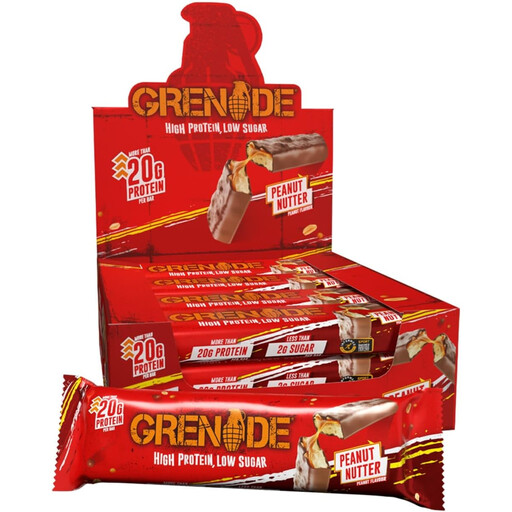
Why This Fits Their Persona: This user prioritises macros for muscle recovery. They need a high-protein, low-sugar bar that tastes great as a post-workout reward. The Grenade bar is a popular choice in UK gyms for this exact reason.
It avoids being a 'protein pretender' by delivering a solid 20g of protein per 60g bar. With only 1.7g of sugar, it also sidesteps the sugar trap, making it a reliable choice for macro-tracking.
1. Excellent protein-to-calorie ratio (20g protein for 214 kcal). 2. Multi-layered texture with a soft core and crunchy peanuts provides a satisfying eating experience.
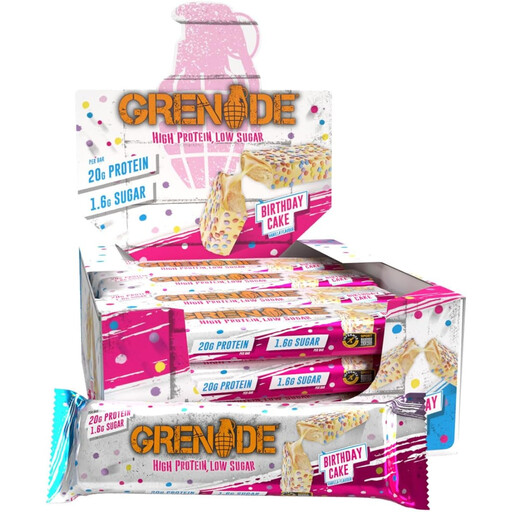
Why This Fits Their Persona: This person wants to satisfy a sweet tooth without the guilt of a high-sugar dessert. They are looking for an indulgent, confectionery-style experience that still aligns with their fitness goals.
It masterfully avoids the flavour compromise. The combination of a soft core, white chocolate coating and colourful sprinkles delivers a genuine dessert flavour while keeping sugar to just 1.6g per bar.
1. High protein content (21g) supports muscle maintenance. 2. The unique birthday cake flavour offers a welcome change from standard chocolate or peanut varieties.
We have compiled a complete, real-time list of products that fully satisfy these strict selection criteria and UK safety regulations.
They can be, provided you choose wisely. A bar that is high in protein, low in sugar and made from quality ingredients can be a very convenient and beneficial part of a balanced diet. However, a bar high in sugar and saturated fat is little more than a chocolate bar in disguise. Always check the nutritional information to ensure it aligns with your health goals.
The ideal time depends on your goal. For a post-workout snack, consuming a bar within 30-60 minutes of exercise can help with muscle repair and recovery. They also work well as a mid-morning or mid-afternoon snack to curb hunger and prevent you from reaching for less healthy options.
Protein is known to be more satiating than carbohydrates or fats, meaning it can help you feel fuller for longer. Using a protein bar to replace a higher-calorie, lower-nutrient snack (like a packet of crisps or a pastry) can help reduce your overall calorie intake and support weight management goals. However, they are not a magic solution and should be consumed as part of a calorie-controlled diet and active lifestyle.