Joybuy Insights

Decoding Protein Bars: A UK Buyer's Guide to Choosing the Right Snack

Navigating the world of protein bars can feel overwhelming. Shelves are packed with options, all promising to be the perfect fuel for your busy life. Yet, many UK shoppers find themselves disappointed with a snack that’s either a glorified chocolate bar or has a texture like cardboard. Choosing the right bar isn't just about grabbing the one with the highest protein number; it's about understanding what's inside and whether it truly fits your needs.

As a Joybuy Product Recommendation Officer, my role is to help you see past the marketing clutter. Let's break down the common pitfalls and what to look for, so your next protein bar is a satisfying and worthwhile purchase.

The 3 Common Protein Bar Pitfalls to Avoid

Before you buy, be aware of these frequent traps that can lead to a poor choice:

  1. The High-Sugar "Health" Bar: Many bars are marketed as healthy snack bars but contain as much sugar as a standard confectionery item. This sugar rush leads to an energy crash, defeating the purpose of a sustained energy snack. Always check the 'of which sugars' line in the nutritional information.
  2. The Low-Quality Protein Filler: Not all protein is created equal. Some bars use cheaper, less effective protein sources or simply don't contain enough to be beneficial as a post-workout snack. A bar with less than 10g of protein may not provide the muscle support you're looking for.
  3. The Unpleasant Taste and Texture: The biggest complaint is often about the eating experience itself. A bar can have a perfect nutritional profile on paper, but if it's chalky, overly dense or has an artificial aftertaste, it's unlikely to become a regular part of your routine.

Core Factors for Choosing Your Protein Bar

To avoid these issues, focus on a few key parameters. Analysing these details will help you find a bar that genuinely works for you.

1. The Macronutrient Profile: Protein, Carbs and Sugar

This is the most critical part of the label.

  • Protein Content: For a substantial post-workout snack aimed at muscle recovery, look for bars with 15-25 grams of protein. For a general healthy snack bar to manage hunger, 10-15 grams is often sufficient.
  • Protein Source: The type of protein matters. Whey and casein are milk-derived and popular for their complete amino acid profiles. Plant-based options like soy, pea and nut proteins are excellent for those following a vegan diet. If you need vegan protein bars, check that the source is explicitly plant-based.
  • Sugar and Carbohydrates: This is where many bars fall short. Aim for low sugar protein bars with less than 5g of sugar per serving. Also, be mindful of low carb protein bars if you're following a specific diet. Many use sugar alcohols (polyols) like maltitol or xylitol to keep sugar content down. While useful, they can cause digestive discomfort for some if consumed in large amounts.

2. The Ingredients List: Simplicity is Key

A shorter, more recognisable ingredients list is generally a good sign.

  • Whole Foods: Bars that list whole foods like nuts, seeds or oats near the top of their ingredients list often provide a better texture and a broader range of nutrients.
  • Dietary Needs: If you have allergies or intolerances, this is non-negotiable. Look for clear labelling for gluten-free protein bars and check the allergen information, which is usually in bold.

Our Top Product Recommendations

Instead of a one-size-fits-all approach, we've matched a few options to different needs and lifestyles, helping you find a suitable fit.
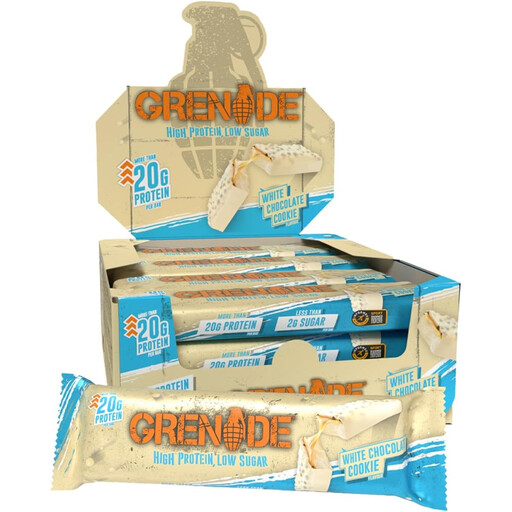
MATCH FOR: The Post-Workout Recovery Seeker
Grenade High Protein Low Sugar Protein Bar White Chocolate Cookie Flavour

Grenade High Protein Low Sugar Protein Bar White Chocolate Cookie Flavour

Why This Fits Their Persona: For the dedicated gym-goer or athlete in the UK, this bar delivers a substantial protein hit to support muscle repair after a tough session. It's designed to feel like a treat, making post-workout nutrition something to look forward to.

How It Avoids the Trap

It directly counters the "high-sugar" pitfall with only 1.7g of sugar per 60g bar, while providing a high 23g of protein, avoiding the "low-quality filler" issue.

Key Advantage & Pros

High Protein Content: 23g of protein per bar supports muscle maintenance.
Low Sugar: Satisfies sweet cravings without the sugar crash.
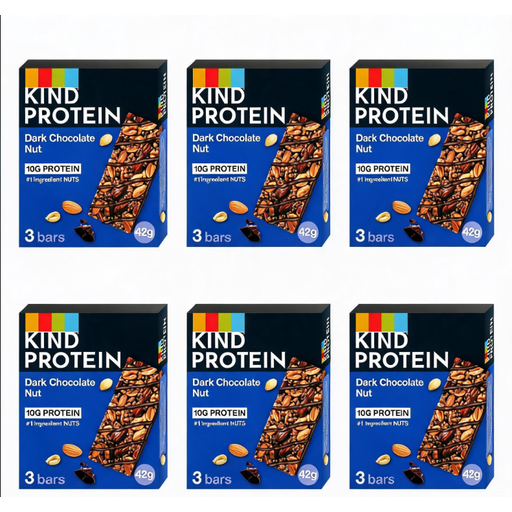
MATCH FOR: The Health-Conscious On-the-Go Professional
KIND Protein Dark Chocolate Nut Bars

KIND Protein Dark Chocolate Nut Bars

Why This Fits Their Persona: For the busy professional needing a convenient and satisfying snack between meetings, this bar offers a balanced option. It's made with whole nuts, providing a satisfying crunch and texture that feels more like real food than a processed supplement.

How It Avoids the Trap

It avoids the "unpleasant texture" pitfall by using whole peanuts and almonds as its primary ingredients. The 10g of protein is a sensible amount for a general snack, not just for intense workouts.

Key Advantage & Pros

Whole Ingredients: Made with nuts as the first ingredient for a natural texture and taste.
Balanced Nutrition: Provides 10g of plant-based protein and fibre for satiety.
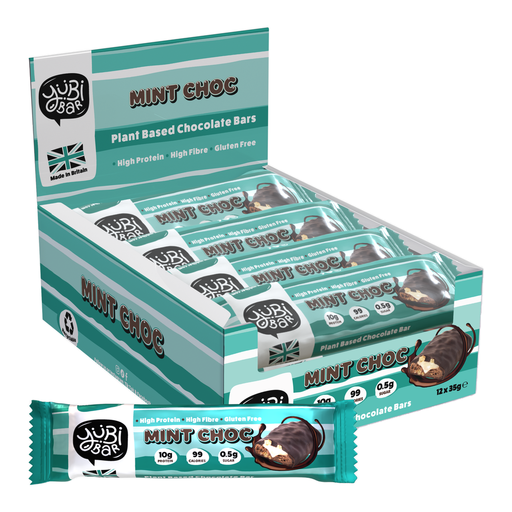
MATCH FOR: The Vegan or Gluten-Free Snacker
YuBi Bar Protein Nutrition Bar Mint Chocolate Flavour

YuBi Bar Protein Nutrition Bar Mint Chocolate Flavour

Why This Fits Their Persona: Finding a tasty snack that meets specific dietary needs can be a challenge. This bar is designed to be vegan and gluten-free, using pea and soya protein. It's a great choice for anyone with these requirements who doesn't want to compromise on flavour.

How It Avoids the Trap

This bar is specifically formulated for dietary needs, using gluten-free oats and plant-based protein. With just 0.5g of sugar, it avoids the "high-sugar" trap common in many free-from products.

Key Advantage & Pros

Vegan & Gluten-Free: Suitable for multiple dietary restrictions.
Extremely Low Sugar: At only 0.5g per bar, it's an excellent choice for those monitoring sugar intake.

Looking for More Options?

We have compiled a complete, real-time list of products that fully satisfy these strict selection criteria and UK safety regulations.

Frequently Asked Questions

1. Are protein bars actually a healthy choice?

They can be. A well-chosen protein bar can be a convenient and functional part of a balanced diet, especially when you need a quick source of protein. However, it's crucial to read the label. A bar high in sugar and saturated fat is more of a treat than a health food. The key is to select one that aligns with the principles mentioned above: high in protein, low in sugar and made with quality ingredients.

2. When is the right time to eat a protein bar?

This depends on your goal.

  • Post-Workout: Consuming a bar within 30-60 minutes after exercise can help with muscle repair and recovery.
  • As a Snack: A protein bar is a great way to manage hunger between meals and prevent you from reaching for less nutritious options. The protein and fibre help you feel fuller for longer.
  • On-the-Go: For busy commuters or those travelling, a protein bar is a portable and mess-free way to get in some nutrition.

3. Can I eat a protein bar every day?

For most people, eating a quality protein bar daily is perfectly fine, provided it fits within your overall calorie and macronutrient targets. However, they should be seen as a supplement to, not a replacement for, a diet rich in whole foods. Whole food sources like chicken, fish, eggs, legumes and tofu should always form the foundation of your protein intake.