
24/7 Customer Support

Free returns

Same-day & Next-day Delivery

Quality Guaranteed

Unlock Your Welcome Offers: FREE Delivery | Up to 80% OFF | Free 30-day JoyPlus trial
Download the APP
Protein bars have become a staple for many in the UK, from gym-goers needing a post-workout snack to busy professionals seeking a convenient source of on-the-go protein. However, the market is flooded with options, and not all bars are created equal. Many products that appear healthy are little more than glorified confectionery, leading to wasted money and derailed dietary goals.
As a Joybuy Product Recommendation Officer, my role is to help you navigate this confusing landscape. This guide will highlight the common pitfalls to avoid and break down the essential factors to consider, ensuring you select a product that genuinely supports your lifestyle.
Before you add a box of bars to your basket, be aware of these frequent marketing traps that can mislead even savvy shoppers.
To make an informed choice, focus on these three key parameters on the product label.
The amount of protein is a primary consideration. For a substantial post-workout snack, a bar with 20g or more of protein is often sought to support muscle repair. For a general healthy snack bar, 10-15g is typically sufficient to help with satiety.
Equally important is the source.
Always check the "carbohydrates (of which sugars)" line in the nutritional table. A true low sugar protein bar should have 5g of sugar or less per serving. Pay attention to the "polyols" value; if it's high, be mindful of potential digestive effects. This is key for anyone managing their sugar intake or following a low-carb lifestyle.
Scan the ingredients list for whole-food components versus a long list of artificial additives. If you have dietary restrictions, this is non-negotiable. Look for clear allergen labelling and certifications like gluten-free snacks if you are coeliac or have a sensitivity.
Based on the criteria above, here are a few options from our catalogue matched to different user needs.
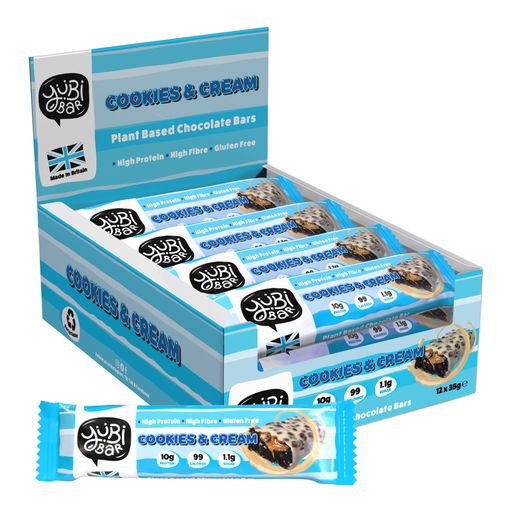
Why This Fits Their Persona: This bar is well-suited for daily snacking. It's plant-based, gluten-free and contains under 100 calories, making it an easy choice for a light, on-the-go protein boost without a heavy calorie cost.
It directly counters the "healthy halo" trap by being genuinely low in sugar (1.1g) and calories (99kcal), aligning its nutritional profile with its healthy positioning.
Provides 10g of protein from a plant-based blend (pea and soya) and is HFSS compliant, making it a responsible choice for health-conscious consumers.

Why This Fits Their Persona: This bar is designed for those who take their training seriously. With a substantial 20g of protein per 60g bar, it's built to support muscle repair after a tough workout, while the low sugar content keeps it aligned with strict fitness goals.
Despite its indulgent, dessert-like flavour, it contains only 2.0g of sugar. This sidesteps the trap of high-protein bars that are secretly loaded with sugar.
It uses a dual milk protein blend of calcium caseinate and whey protein isolate to support muscle maintenance. The multi-layered texture also makes it more satisfying to eat.
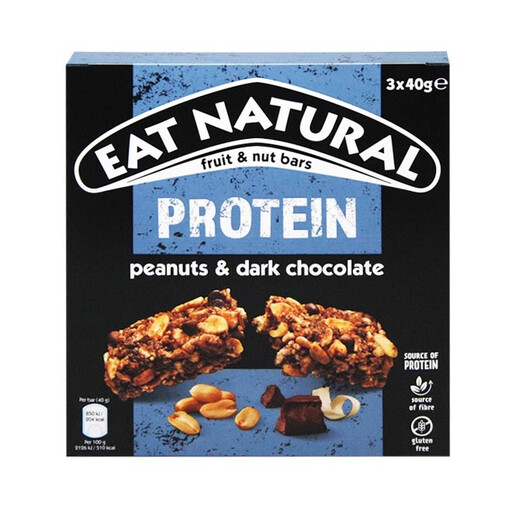
Why This Fits Their Persona: This bar is for those who prefer snacks made from simple, recognisable ingredients. It's packed with 45% peanuts, offering protein and healthy fats from a whole-food source, making it a satisfying and substantial snack.
It avoids the trap of overly processed bars with long, chemical-sounding ingredient lists. The formulation is straightforward, with peanuts, dark chocolate, coconut and honey.
Delivers a high protein content (22.8g per 100g) primarily from whole peanuts and soya crispies. It contains no artificial flavours, colours or preservatives.
We have compiled a complete, real-time list of products that fully satisfy these strict selection criteria and UK safety regulations.
While convenient, most protein bars are designed as snacks and should not regularly replace a balanced meal. They typically lack the full range of micronutrients, fibre and complex carbohydrates found in a complete meal. They are best used to bridge the gap between meals or as a post-exercise recovery aid.
This is often due to the high concentration of sugar alcohols (polyols) like maltitol, sorbitol or xylitol, which are used as low-calorie sweeteners. The body doesn't fully digest them, which can lead to bloating, gas or a laxative effect in sensitive individuals. If you experience this, look for bars sweetened with other ingredients like stevia or sucralose, or those with a lower polyol content.
Most protein bars should be stored in a cool, dry place away from direct sunlight. Heat can cause chocolate coatings to melt and the texture of the bar to change. There is no need to refrigerate them unless the packaging specifies otherwise. Always check the "Best Before End" date on the packaging.