
24/7 Customer Support

Free returns

Same-day & Next-day Delivery

Quality Guaranteed

Unlock Your Welcome Offers: FREE Delivery | Up to 80% OFF | Free 30-day JoyPlus trial
Download the APP
Navigating the world of protein bars can feel like a workout in itself. With shelves stacked high and every wrapper promising peak performance and delicious flavour, it’s easy to end up with a snack that’s more akin to a chocolate bar than a functional part of your health regime. Many UK consumers find themselves caught out by clever marketing, choosing products that don’t quite align with their fitness or dietary goals.
As a Joybuy Product Recommendation Officer, my role is to help you see past the hype. This guide will break down the common pitfalls to avoid and the key factors to check, ensuring your next purchase is a smart one.
Before you add anything to your basket, be aware of these frequent traps that can derail your nutritional goals and waste your money.
To make an informed choice, focus on these three non-negotiable factors on the nutrition label.
This is arguably the most important metric. A truly functional protein bar should offer a high amount of protein for a very low amount of sugar. As a general rule, look for bars that provide at least 15g of protein while keeping the sugar content under 5g. This simple check helps you quickly identify genuine low sugar protein bars and steer clear of the glorified confectionary.
The ingredients list will tell you where the protein comes from. Here’s a quick breakdown:
Don't just stop at the sugar line. Look at the "Total Carbohydrates" and the "of which Polyols" line underneath it. This gives you a clearer picture of what you're consuming. Additionally, a higher fibre content (over 5g is a good starting point) contributes to feeling full and supports digestive health, making the bar a more effective healthy snack uk option for bridging the gap between meals.
Instead of a one-size-fits-all approach, we’ve matched some options to different user needs and lifestyles here in the UK.
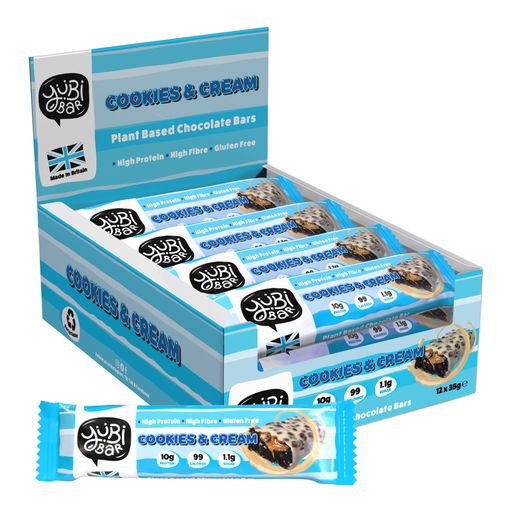
Why This Fits Their Persona: This bar is ideal for someone who wants a lighter, plant-based protein boost without a heavy calorie load. It's a great entry-level option for replacing a daily chocolate biscuit or sugary snack with something more functional.
It sidesteps the high-sugar illusion by keeping both sugar (1.1g) and total calories (99kcal) very low. It's transparently a light, high-protein snack, not a disguised dessert.
Provides 10g of plant-based protein in a sub-100 calorie bar, making it a very efficient choice for calorie-controlled diets. It is also gluten-free.
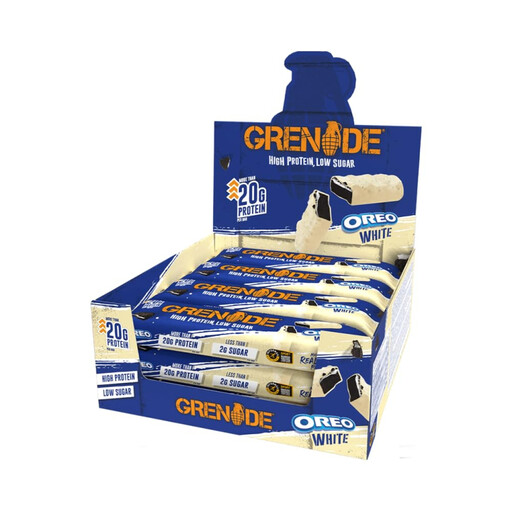
Why This Fits Their Persona: For those serious about their macros, this bar delivers a substantial protein hit to support muscle repair. It's a popular choice for a post-workout snack or a satisfying treat that won't compromise a low-carb diet.
It directly tackles the protein-to-sugar ratio pitfall by offering a high 21g of protein with only 1.3g of sugar. While it uses polyols to achieve this, it's a trade-off this user profile often finds acceptable for the performance benefits.
Excellent protein-to-calorie ratio and a multi-layered, confectionery-style texture that satisfies cravings without the sugar load. The protein blend includes fast and slow-release sources.

Why This Fits Their Persona: This bar strikes a great balance. It's a substantial, satisfying snack for a busy professional who needs a convenient on-the-go option that keeps them full between meetings without a sugar crash.
It avoids the vague protein source trap by using a quality blend of milk, whey and soy proteins. It also keeps sugar very low (2g per 64g bar), delivering on the promise of a macro-friendly snack.
Delivers a solid 21g of protein in a larger 64g bar format, making it more filling than smaller options. The brand also highlights its palm oil-free formulation.
We have compiled a complete, real-time list of products that fully satisfy these strict selection criteria and UK safety regulations.
While convenient, protein bars are supplements to a balanced diet, not replacements for whole food meals. For most people, one bar a day is a sensible limit, perhaps used as a post-workout refuel or a planned on-the-go snack. Consuming multiple bars, especially those high in sugar alcohols, may lead to digestive upset. Always check the product's packaging for specific recommendations.
They can be a much healthier choice than traditional high-sugar snacks, provided you read the label carefully. A good low sugar protein bar will have a strong protein-to-sugar ratio, use quality protein sources and contain a decent amount of fibre. They are a tool to help you meet your nutritional goals, but should still be part of a varied and balanced diet.
This depends on your goal.