
24/7 Customer Support

Free returns

Same-day & Next-day Delivery

Quality Guaranteed

Unlock Your Welcome Offers: FREE Delivery | Up to 80% OFF | Free 30-day JoyPlus trial
Download the APP
Protein bars can be useful for busy commutes, gym bags, desk drawers and packed lunches. However, attractive packaging does not always tell you whether a bar suits your diet, appetite or budget. A product labelled “high protein” may still contain considerable sugar, calories, fat or sweeteners, while a larger multipack may offer poor value if the bars do not fit your routine.
This guide explains the key details to check when comparing protein bars UK shoppers can buy online, followed by product recommendations matched to different needs.
A bar may contain more protein than a conventional cereal bar but still be relatively high in calories or sugar. For example, Nature Valley Protein Peanut & Chocolate bars provide 10g of protein per 40g bar, but the listed nutrition is 198 kcal per serving, with 6.8g of sugars. That may work well as a filling snack, but it is not automatically suitable for a low-calorie plan.
Compare the per-serving figures, not only values per 100g. Serving sizes vary considerably between 30g bites, 40g cereal bars, 50g protein flapjacks and 60g high protein bars.
Many low sugar protein bars use polyols such as maltitol, xylitol or erythritol. These ingredients can reduce the “of which sugars” figure, but the bar may still contain a substantial amount of carbohydrate. Grenade White Oreo, for instance, lists 1.3g sugars and 17g polyols per 60g bar.
If you are monitoring carbohydrates, read the complete carbohydrate panel. Also note that excessive consumption of some polyols may cause digestive discomfort, as stated on product packaging.
“Plant-based”, “gluten-free” and “vegetarian” are not interchangeable. A vegan protein bar should contain no milk, whey, honey or other animal-derived ingredients, while gluten-free shoppers still need to check the allergen statement and formulation.
Common allergens in this category include milk, soya, peanuts, tree nuts, wheat and oats. Recipes and manufacturing arrangements can change, so always check the current wrapper before eating, particularly if you have an allergy or intolerance.
Choose a protein level that reflects how you plan to use the product:
A high protein figure does not make a bar a replacement for a varied diet. It simply helps you compare products against your own daily requirements.
For low sugar protein bars, check all three figures together:
YuBi Peanut Protein Bars list 10g protein, 0.5g sugar and 99 calories per 35g bar. By contrast, Trek Cocoa Oat Protein Bars provide 9g protein and 227 calories per 50g bar, with 14g sugars. Neither profile is universally right or wrong: one is more compact for sugar and calorie control, while the other is more substantial as an oat-based snack.
Check whether the product is:
Frozen products need particular care. The Myprotein Cookie Crunch Layered Ice Cream Bar must be stored at -18°C or colder, must not be refrozen after defrosting and is less practical for a commute than a shelf-stable bar.

Why This Fits Their Persona: A familiar, individually wrapped option for shoppers starting to compare protein snack bars without committing to a large bulk box.
Its listing provides per-bar nutrition, making the 10g protein, 6.8g sugars and 198 kcal easier to assess before purchase.
Four 40g bars, gluten-free according to the supplied product information, and suitable for vegetarians. Contains peanuts, milk and soya.

Why This Fits Their Persona: A larger pack for regular gym users or office workers who want a confectionery-style bar available throughout the week.
The supplied nutrition information states 21g protein, 2.0g sugars and 245 kcal per 64g bar, so the larger serving is clear rather than hidden.
12 individually wrapped bars, palm-oil-free formulation as listed, and a chocolate-style texture with caramel and crisp pieces. Contains milk and soya.

Why This Fits Their Persona: A practical choice for vegans seeking oat-based protein flapjacks for commutes, hikes or a substantial afternoon snack.
The product information identifies it as vegan and gluten-free, while also listing soya as an allergen and noting possible traces of milk and nuts.
16 x 50g pack, 9g protein per bar and a chewy cocoa-oat format. It is not a low-sugar option, with 14g sugars per bar.
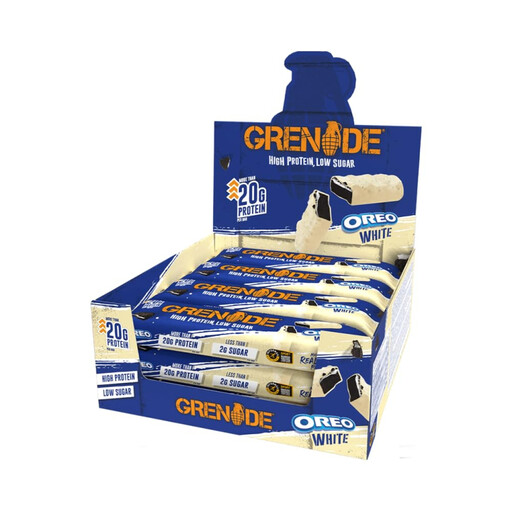
Why This Fits Their Persona: A bulk option for frequent gym-goers who want individually wrapped, dessert-style bars ready for repeated post-workout or between-meal use.
The listing separates sugars from polyols: 1.3g sugars and 17g polyols per bar, alongside 21g protein and 232 kcal.
12 x 60g format and 21g protein per bar. Contains milk, soya and wheat, so it is unsuitable for dairy-free or gluten-free diets.
We have compiled a complete, real-time list of products that fully satisfy these strict selection criteria and UK safety regulations.
Some products are specifically labelled as meal replacement bars, such as Slimfast Meal Support Bars. These provide added vitamins and minerals alongside protein, but should be used according to the package directions. A standard protein bar is generally intended as a snack, not a complete replacement for regular meals.
Not necessarily. Check total carbohydrate, sugars and polyols together. A bar may show very low sugars while still containing a notable amount of carbohydrate or sweeteners. Your dietary requirements should determine whether the product fits.
Most shelf-stable bars should be kept in a cool, dry place away from direct sunlight. Check the packaging for the best-before date and storage instructions. Frozen protein snacks require freezer storage and should not be refrozen after defrosting. Always read the latest label before consumption, as ingredients and product information may change.