
24/7 Customer Support

Free returns

Same-day & Next-day Delivery

Quality Guaranteed
Download the APP
Categories
Navigating the world of protein bars can feel overwhelming. With countless options lining the shelves, each promising different benefits, it’s easy to feel lost. Are you looking for a quick post workout snack to aid muscle recovery, a convenient on the go protein source for your busy days or simply a healthier way to satisfy a sweet craving?
Finding the right bar isn't just about picking a flavour you like; it's about matching the nutritional profile to your personal health and fitness goals. This guide is designed to help you understand what to look for and to highlight a few standout options that cater to different needs, from high-protein fuel to plant-based goodness.
Before you add a bar to your basket, it’s worth considering a few key factors. A little label-reading can ensure you’re getting a product that truly works for you.
The primary reason for choosing a protein bar is, of course, the protein. The amount can range from around 10g to over 20g per bar. For a light snack to tide you over, a lower amount might suffice. For post-exercise recovery, a bar with 20g of protein or more is often preferred.
The source of the protein is also important, especially for those with dietary restrictions. Whey and casein (milk-based) are common and effective, but if you follow a plant-based diet, look for bars that use soy, pea or nut proteins. These plant based protein bars offer a great alternative.
Many healthy snack bars are not as healthy as they seem, often containing high levels of sugar. It's crucial to check the 'of which sugars' line in the nutrition information. Many brands now offer excellent low sugar protein bars, using sweeteners like maltitol or xylitol instead. While these are great for reducing sugar intake, be mindful that excessive consumption of polyols (sweeteners) can sometimes have a laxative effect.
Beyond vegan options, many people require gluten free protein bars due to coeliac disease or sensitivity. Always check the ingredients list and allergen warnings, which should be clearly stated on the packaging. If you have allergies, it’s a non-negotiable step to ensure the product is safe for you.
Here are a few recommendations that stand out for their formulation, flavour and suitability for different lifestyles.
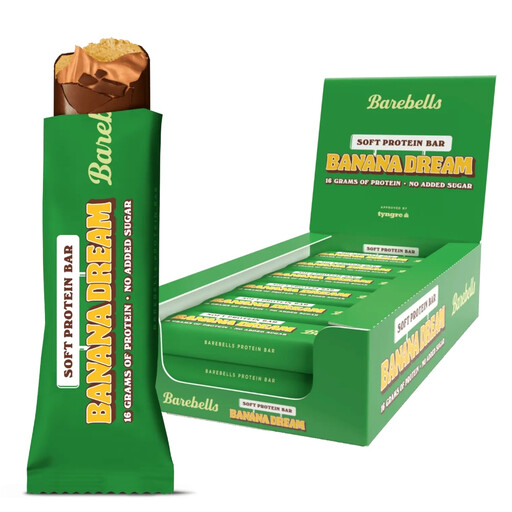
Why It Stands Out: The Barebells Banana Dream bar redefines what a protein bar can be. It moves away from the often-dense texture of traditional bars, offering a soft core, a layer of creamy caramel and a milk chocolate coating. The nostalgic banana protein bar flavour makes it feel like a genuine treat.
Pros:
Who is it for? This bar is ideal for anyone seeking a delicious, low-sugar alternative to a standard chocolate bar. It’s perfect for an afternoon snack at the office or a guilt-free dessert that still contributes to your daily protein intake.
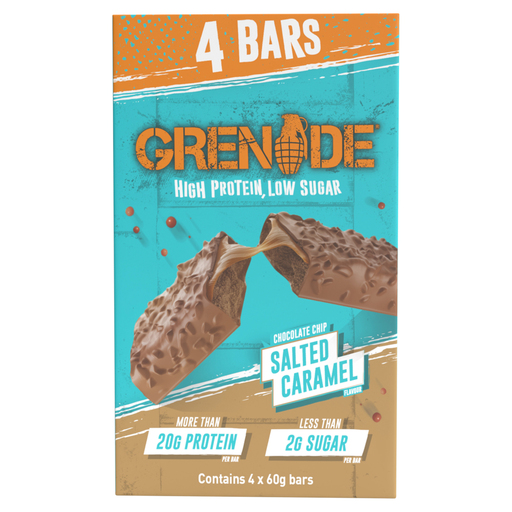
Why It Stands Out: When it comes to high protein snacks, Grenade is a name many fitness enthusiasts recognise. This bar packs a serious punch with 21g of protein. The triple-layered construction, combining a sweet nougat base with chocolate chips and a distinct salted caramel protein bar flavour, delivers on both taste and texture.
Pros:
Who is it for? This bar is an excellent choice for athletes and gym-goers looking for a substantial post workout snack to help with muscle repair and growth. It’s also great for anyone prioritising a high protein intake to manage hunger throughout the day.
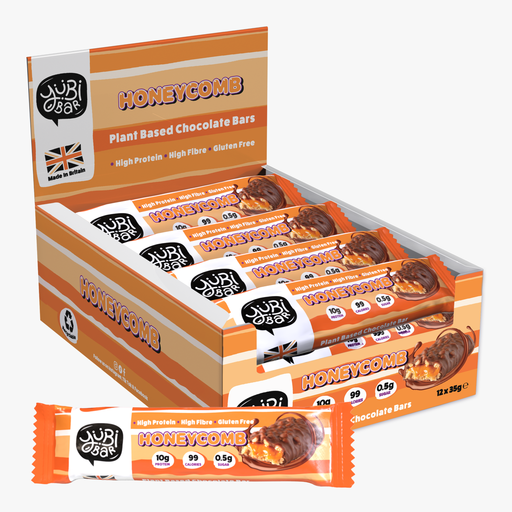
Why It Stands Out: Finding a bar that ticks all the dietary boxes without compromising on taste can be a challenge, but the YuBi Honeycomb bar succeeds. It is entirely plant-based, gluten-free and remarkably low in calories, making it one of the most accessible vegan protein bars on the market.
Pros:
Who is it for? This is the go-to bar for vegans, coeliacs and anyone following a dairy-free diet. Its low-calorie profile also makes it a perfect fit for those managing their weight who still want a protein-rich, satisfying snack.
Our recommendations cover some of the most popular needs, but the world of healthy snack bars is vast. If you're searching for different flavours, textures or nutritional profiles, there are many more choices available.
To discover a wider variety of options tailored to your specific goals, why not explore our full range of Protein & Energy Snacks?
The ideal time depends on your goal. For muscle recovery, consuming a bar within 30-60 minutes after a workout is effective. As a general snack, they are great for curbing hunger between meals and preventing you from reaching for less healthy options.
They can be a useful tool. The high protein and fibre content in many bars helps increase feelings of fullness (satiety), which can help you control your overall calorie intake. For this purpose, it's best to choose low sugar protein bars with a favourable protein-to-calorie ratio.
Yes, a protein bar can be part of a healthy daily diet. However, they should be used to supplement a balanced intake of whole foods like lean meats, fish, legumes and vegetables, not as a complete meal replacement. Always consume them as part of a varied diet and active lifestyle.