
24/7 Customer Support

Free returns

Same-day & Next-day Delivery

Quality Guaranteed

Unlock Your Welcome Offers: FREE Delivery | Up to 80% OFF | Free 30-day JoyPlus trial
Download the APP
Navigating the snack aisle for a genuinely beneficial protein bar can feel like a workout in itself. The shelves are packed with options, all promising high protein and great taste. Yet, many UK consumers find themselves disappointed with a purchase that’s either a glorified chocolate bar or has the texture of flavoured cardboard. As a Joybuy Product Recommendation Officer, my role is to help you see past the marketing clutter and make a choice that suits your lifestyle and nutritional goals.
Before you add another box of bars to your basket, let's look at the common pitfalls that lead to buyer's remorse.
To avoid these traps, focus on a few core parameters. These objective details on the label will tell you more than any flashy packaging.
A simple way to gauge a bar's efficiency is to look at its protein content relative to its total calories. A bar designed for performance, such as a post-workout snack, should offer a significant amount of protein without an excessive calorie load. For a standard 60g bar, aiming for around 20g of protein for approximately 200-240 calories is a solid benchmark. If a bar has only 10g of protein but over 300 calories, it's likely more of an energy bar than a protein supplement.
To achieve a sweet taste without the sugar, most high protein low sugar bars use sweeteners called polyols (sugar alcohols), such as maltitol, xylitol or glycerol. You'll see them listed under carbohydrates on the nutritional panel. While they have fewer calories than sugar and a lower impact on blood sugar levels, they can cause digestive discomfort or bloating in some individuals, particularly when consumed in large amounts. It's a factor to be aware of if you have a sensitive stomach.
The type of protein affects how your body uses it.
Instead of a generic list, we've matched some standout options to specific needs and lifestyles you might identify with.
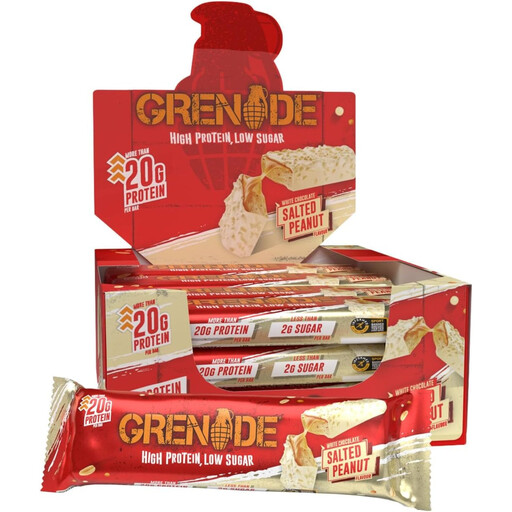
Why This Fits Their Persona: For those who track their macros meticulously, this bar is a go-to gym snack. It delivers a substantial protein hit to support muscle recovery after a tough session at the gym, without derailing a low-carb or low-sugar diet plan.
It sidesteps the "healthy snack illusion" by keeping sugar exceptionally low (2.0g per bar) while using a high-quality milk protein blend, not just filler proteins.
Provides 20g of protein per 242-calorie bar. The white chocolate and salted peanut flavour profile offers a satisfying taste that feels like a treat.

Why This Fits Their Persona: Finding a tasty, low-calorie vegan protein bar can be a challenge. This bar is designed for that exact purpose. At under 100 calories, it's a lighter snack perfect for a mid-afternoon pick-me-up or to satisfy a sweet craving without a heavy calorie cost.
It solves the "protein source puzzle" for vegans by using a plant-based blend of pea and soy protein. It's also gluten-free and HFSS compliant, confirming its status as a genuinely healthier choice.
Delivers 10.5g of protein for just 99 calories. The smaller 35g bar size makes it a convenient and portion-controlled on-the-go protein source.
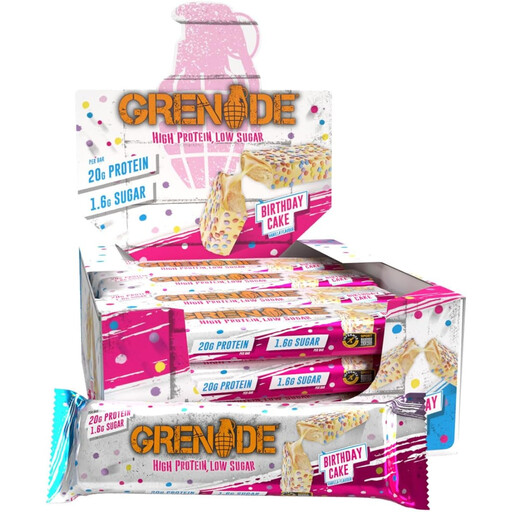
Why This Fits Their Persona: This is for the person who wants their protein bar to feel like a genuine treat. The flavour and texture are designed to mimic a dessert, making it the perfect choice to satisfy a sweet tooth without the associated sugar and calories of an actual cake.
It directly counters the "texture trade-off" pitfall. With a soft core, white chocolate coating and sprinkles, it offers a multi-layered experience that is far from the typically dense and dry protein bar.
An indulgent flavour profile with an impressive 21g of protein and only 1.6g of sugar. It's a great way to manage cravings while sticking to your nutritional goals.
We have compiled a complete, real-time list of products that fully satisfy these strict selection criteria and UK safety regulations.
Yes, for some people they can. This is often due to the high concentration of polyols (sugar alcohols) like maltitol used as sweeteners. These are not fully absorbed by the gut and can lead to gas and bloating in sensitive individuals. If you experience this, look for bars sweetened with stevia or sucralose, or those with a lower polyol content.
This depends on your goal. As a post-workout snack, consuming a bar within an hour of exercise can help with muscle repair. As a low carb snack, it's effective between meals to manage hunger and prevent you from reaching for less healthy options. They are also excellent for on-the-go protein when you're travelling or have a busy day.
While convenient, protein bars are best viewed as a supplement to a balanced diet, not a replacement for a whole-food meal. They are great for bridging the gap between meals or for a quick nutritional boost, but they lack the full spectrum of micronutrients and fibre you would get from a complete meal.