
24/7 Customer Support

Free returns

Same-day & Next-day Delivery

Quality Guaranteed

Unlock Your Welcome Offers: FREE Delivery | Up to 80% OFF | Free 30-day JoyPlus trial
Download the APP
Protein bars can be useful for a gym bag, desk drawer, commute or packed lunch. However, a high-protein label does not automatically mean a bar suits your diet, budget or intended use. Some products are closer to confectionery, while others contain sugar alcohols that may not suit everyone.
This guide explains the key figures to check, common buying pitfalls and suitable options for different UK lifestyles.
A bar may contain 20g of protein but also provide more than 200 calories, considerable fat or a large amount of carbohydrate. Compare protein per serving, calories, sugar, fibre and portion size together rather than relying on the front-of-pack claim.
Also check whether the bar is designed as a snack or a meal replacement bar. A snack bar is not necessarily nutritionally complete enough to replace a regular meal.
Many low-sugar protein bars use polyols such as maltitol, glycerol or other sweeteners. These can reduce the listed sugar content, but the bar may still contain substantial carbohydrate and calories. Some people may also experience digestive discomfort after consuming large amounts of polyols.
Read the full nutrition panel, including polyols, fibre and carbohydrate. This is particularly important when comparing low-sugar protein bars with conventional energy bars.
Common protein sources include milk, whey, casein, soya, peanuts and other nuts. A product labelled vegetarian is not necessarily vegan, and a bar containing plant protein may still contain soya or traces of other allergens.
Before buying protein bars UK shoppers should check the ingredient list, allergen statement and storage guidance on the current packaging. Recipes and packaging can change.
For high-protein snack bars, compare the actual serving value rather than protein per 100g alone. The products in this guide range from around 8g to 21g per bar. A larger bar may provide more protein but also more calories, so consider whether you need a substantial snack or a lighter top-up between meals.
For low-sugar protein bars, look at:
For example, the Grenade Oreo bar lists 21g of protein and 1.0g of sugar per 60g bar, but also 17g of polyols. By comparison, the Nature Valley Protein Peanut & Chocolate Bar provides 10g of protein per 40g bar and 5.8g of sugar.
Milk proteins such as whey and casein are unsuitable for people avoiding dairy. Soya and pea protein can be useful in plant-based products, but they remain relevant allergens. Collagen may appear in some products, but it is not a complete alternative to choosing a bar based on your overall dietary needs.
Those looking for vegan protein bars should verify that the product is explicitly described as vegan and check the entire allergen statement. Do not assume that “plant-based” means free from all animal-derived ingredients.

Why This Fits Their Persona: The eight-bar pack offers a practical way to keep individually wrapped snacks at home, work or in a university bag.
The pack size makes it easier to compare cost per bar, while the nutrition panel clearly states 10.7g of fibre and 25.6g of protein per 100g.
Eight 40g bars; gluten-free according to the supplied product information; suitable for vegetarians.

Why This Fits Their Persona: A larger multipack suits regular gym users and active professionals who want a ready-to-eat option without daily preparation.
The supplied nutrition information lists approximately 21g of protein and 2.0g of sugar per 64g bar, making the serving figures straightforward to assess.
12 individually wrapped bars; 21g protein and 245 kcal per bar according to the supplied label data; contains milk and soya.
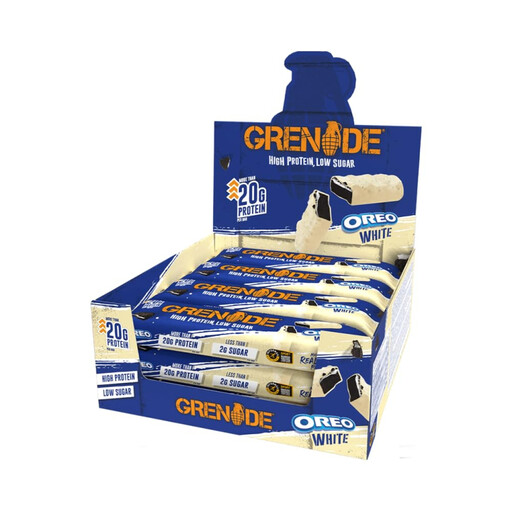
Why This Fits Their Persona: This larger multipack is suited to people who regularly need post-workout snacks or portable options between shifts, lectures and training sessions.
It shows both sugar and polyols per serving, helping shoppers avoid judging the product on the low-sugar figure alone.
21g protein and 1.3g sugar per 60g bar; 12 individually packed bars; contains milk, soya and wheat.
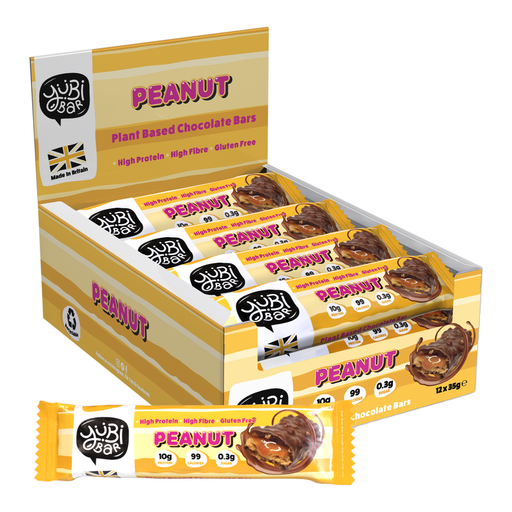
Why This Fits Their Persona: The compact 35g format works for commuters and shoppers seeking a plant-based, dairy-free snack option.
The product information specifies a plant protein blend and provides a per-bar nutrition panel rather than relying only on per-100g figures.
10g protein and 99 kcal per bar; 12-pack; the supplied information describes it as vegan, gluten-free and dairy-free. Contains soya and oats.
We have compiled a complete, real-time list of products that fully satisfy these strict selection criteria and UK safety regulations.
Only products specifically labelled and directed for meal replacement should be considered for that purpose. Many protein bars are snacks rather than nutritionally complete meals. Check calories, vitamins, minerals, fibre and serving instructions, and do not use a bar to replace meals routinely unless it fits your dietary plan.
Not necessarily. Low-sugar products often contain polyols or other sweeteners, which may cause digestive discomfort for some people when consumed in larger quantities. Read the full carbohydrate and polyol information, and follow the serving guidance on the packaging.
A protein bar can be convenient between meals, after exercise or during travel, but timing is less important than your overall diet. Choose a bar that matches your required protein, calories and dietary restrictions. Always check the label for allergens, storage instructions and current formulation before eating.