
24/7 Customer Support

Free returns

Same-day & Next-day Delivery

Quality Guaranteed

Unlock Your Welcome Offers: FREE Delivery | Up to 80% OFF | Free 30-day JoyPlus trial
Download the APP
Navigating the world of protein bars can feel overwhelming. With countless options on the shelves, each promising different benefits, it’s difficult to know which one truly fits your lifestyle and goals. Whether you need a convenient post-workout refuel, a midday snack to curb hunger or a treat that aligns with your dietary plan, finding the right bar is key.
This guide is designed to help you understand the key factors to consider when choosing a protein bar. We will look at nutritional labels, ingredients and how different bars cater to specific needs, from building muscle to managing a low-carb diet. Below, we’ve also highlighted a few options to help you make an informed choice.
Before picking a bar, it’s useful to know what to look for. Here are a few practical points to consider based on your personal health and fitness objectives.
The primary purpose of a protein bar is to provide a convenient source of protein. Look for bars that offer a substantial amount, typically between 10g and 20g, to contribute to muscle maintenance and growth. However, it's equally important to check the sugar content. Many bars can contain as much sugar as a standard chocolate bar. If your goal is to manage your weight or maintain a balanced diet, opting for low sugar protein bars is a sensible approach. Pay attention to the 'carbohydrates (of which sugars)' line on the nutritional information panel.
Your ideal protein bar depends on your daily activity and dietary strategy.
The market now offers a wide variety of options for different dietary needs. If you follow a plant-based diet, there are many high-quality vegan protein bars available that use protein sources like soya, pea, or nut protein. For those with coeliac disease or gluten sensitivity, it is crucial to check for a "gluten-free" certification on the packaging. Always read the allergen information carefully, as many bars are produced in facilities that handle nuts, dairy and other allergens.
Here are a few protein bars that cater to different preferences and dietary goals. All are available as a protein bars multipack, offering convenience and value.
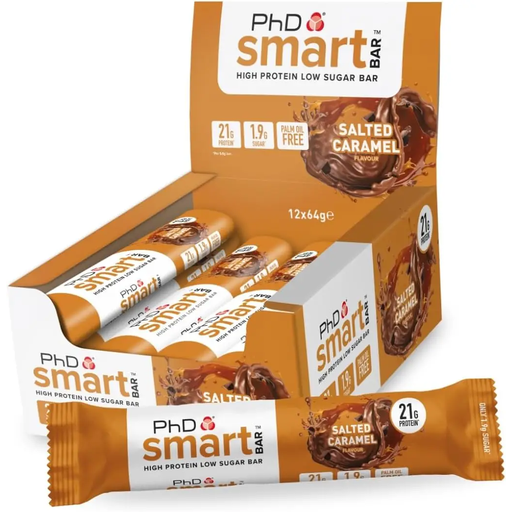
Why It Stands Out: This bar delivers a significant protein punch while keeping sugar exceptionally low. Its formulation is also palm oil-free, a point of consideration for many environmentally-conscious consumers.
View PhD Smart Protein Bar on Joybuy.co.uk
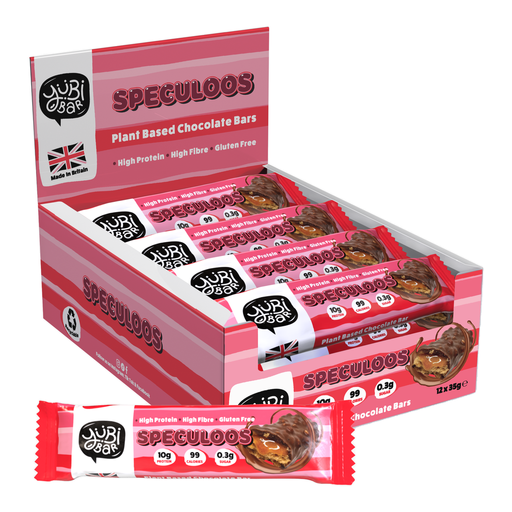
Why It Stands Out: The YuBi Bar is notable for its low-calorie profile, making it one of the lighter options available. It is entirely plant-based and gluten-free, catering to specific dietary lifestyles.
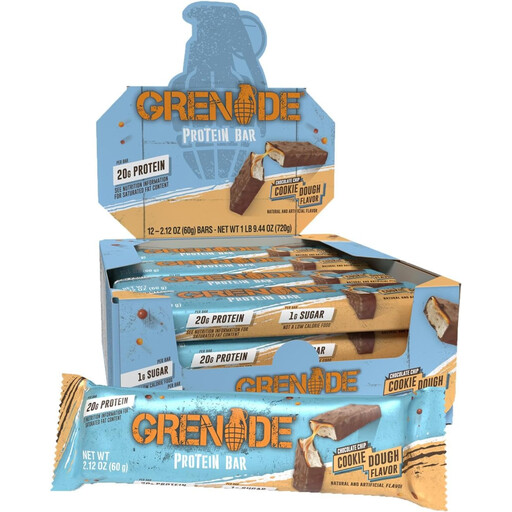
Why It Stands Out: Grenade's Carb Killa range is well-regarded for its indulgent, dessert-like flavours and textures. This bar is a prime example, offering a satisfying treat that is also a high-performance low carb protein bar.
View Grenade Carb Killa Bar on Joybuy.co.uk
If the recommendations above don't quite fit your needs or if you're interested in exploring other flavours and nutritional profiles, there is a wider selection available.
Discover our full range of energy bar snacks to find the perfect match for your lifestyle.Explore More Energy & Snack Bars
Protein bars are versatile. You can eat one 30-60 minutes after a workout to aid muscle recovery, between meals to manage hunger and boost your protein intake or as a convenient on-the-go snack when you don't have time for a full meal.
They can be. A protein bar can help with weight management by promoting satiety (the feeling of fullness), which may help reduce overall calorie intake. Choose bars that are high in protein and fibre but low in sugar and calories to align with your weight loss goals. They should be consumed as part of a balanced diet, not as a meal replacement unless specifically designed for that purpose.
For most people, eating one protein bar per day as part of a balanced diet is perfectly fine. They are a convenient way to supplement your protein intake. However, whole food sources of protein should always be the foundation of your diet. It's also worth noting that many bars contain polyols (sugar alcohols) as sweeteners and excessive consumption may cause digestive discomfort for some individuals. Always read the product label for specific usage recommendations.