
24/7 Customer Support

Free returns

Same-day & Next-day Delivery

Quality Guaranteed

Unlock Your Welcome Offers: FREE Delivery | Up to 80% OFF | Free 30-day JoyPlus trial
Download the APP
Navigating the world of protein bars can feel like a workout in itself. With shelves stacked high with options all promising to be the perfect fitness snack, it's easy to grab a box only to find you've bought something that's more of a glorified chocolate bar. Many of us have been there: lured in by "high protein" labels, only to be let down by the taste, texture or a hidden sugar rush.
As the Joybuy Product Recommendation Officer, my role is to help you see past the clever marketing. Before you spend your money, let's look at the common pitfalls that UK shoppers face and how to identify a protein bar that genuinely supports your health and fitness goals.
To avoid these traps, you don't need a degree in nutrition—just a few key things to look for on the label. Focusing on these parameters will ensure you're choosing effective and enjoyable healthy snacks UK residents can rely on.
This is the most critical check. A good rule of thumb is to look for bars with at least 15-20 grams of protein while keeping the sugar content below 5 grams. Many high-quality low carb protein bars now contain less than 2 grams of sugar. This ensures you're getting a product that fuels your body without causing a sugar spike and subsequent crash.
Check the ingredients list. Look for high-quality, complete protein sources listed first. These include:
A blend of these is often used to provide both fast and slow-digesting protein.
To achieve a sweet taste without sugar, most low sugar snacks use sugar alcohols, also known as polyols. You'll see them listed as maltitol, xylitol or glycerol. They have fewer calories than sugar and a smaller impact on blood sugar levels. However, it's worth noting that for some individuals, consuming them in large quantities can lead to digestive discomfort. This is why it's always wise to stick to the recommended serving size.
Based on these practical criteria, here are a few recommendations from our catalogue, matched to different needs and lifestyles.
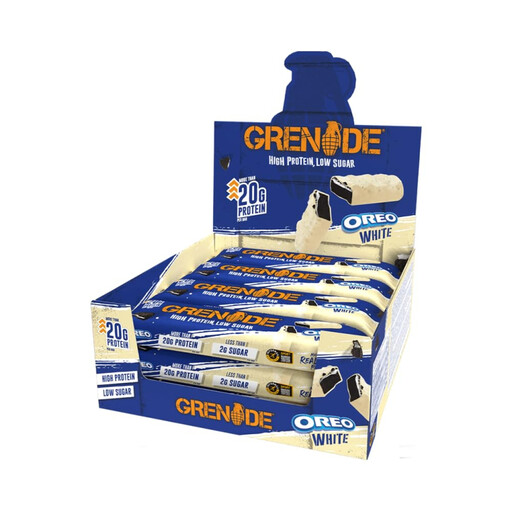
Why This Fits Their Persona: For those who want a snack that feels like a treat without derailing their diet. The authentic biscuit flavour and multi-layered texture satisfy sweet cravings, making it a sustainable choice for long-term fitness plans.
This bar directly counters the "high-sugar" pitfall. Despite its indulgent white chocolate and Oreo flavour, it contains only 1.3g of sugar per 60g bar.
It delivers a substantial 21g of protein from a quality milk protein blend, making it an excellent post-workout food or a filling snack.

Why This Fits Their Persona: Perfect for those on a plant-based or gluten-free diet who need a convenient protein boost. Its smaller 35g size and low-calorie profile make it an ideal light snack rather than a heavy meal replacement.
It avoids the "protein filler" issue by using a blend of pea and soy protein isolate, providing a quality plant-based protein source. It also has an exceptionally low sugar content of just 0.5g per bar.
Each bar contains 10g of protein and is under 100 calories, making it one of the most macro-friendly vegan options for a quick, guilt-free snack.
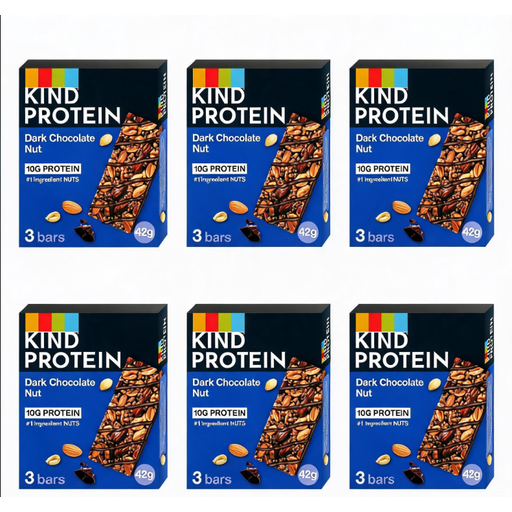
Why This Fits Their Persona: This bar is for individuals who prioritise whole-food ingredients. It's less of a "lab-created" bar and more of a nut-and-chocolate bar with a protein boost, making it a satisfying and wholesome choice.
It avoids the "cardboard texture" pitfall completely. The use of whole peanuts and almonds as the primary ingredient provides a crunchy, satisfying texture that feels like eating real food.
Provides 10g of plant-based protein per bar and is a good source of fibre. The ingredient list is straightforward and free from artificial flavours.
We have compiled a complete, real-time list of products that fully satisfy these strict selection criteria and UK safety regulations.
Whether a protein bar is a healthy choice depends entirely on its nutritional profile and your personal goals. A bar that is high in protein but low in sugar can be an excellent fitness snack to support muscle maintenance and keep you full between meals. However, a bar with high sugar content is best viewed as a treat. Always check the protein-to-sugar ratio.
Protein bars are versatile. Many people consume them within 30-60 minutes after a workout to help with muscle recovery. They are also very effective as a convenient on-the-go snack to curb hunger pangs and prevent you from reaching for less nutritious options. For busy professionals, they can sometimes serve as a quick meal replacement, though they shouldn't replace whole-food meals regularly.
Yes. While they are a convenient tool, protein bars are still a processed food supplement. It's important to consume them as part of a balanced diet rich in whole foods. Furthermore, many low-sugar bars contain polyols (sugar alcohols) and excessive consumption can cause digestive issues like bloating or gas in some individuals. It's best to stick to one or two bars per day at most.