
24/7 Customer Support

Free returns

Same-day & Next-day Delivery

Quality Guaranteed

Unlock Your Welcome Offers: FREE Delivery | Up to 80% OFF | Free 30-day JoyPlus trial
Download the APP
Navigating the world of protein bars can feel like a workout in itself. The shelves are packed with options, all promising to be the perfect fuel for your fitness goals or a healthy on-the-go snack. Yet, many UK shoppers find themselves disappointed, with a cupboard full of chalky, overly sweet or nutritionally questionable bars. As a Joybuy Product Recommendation Officer, my role is to help you see past the marketing clutter and make smarter choices. Here are the three most common pitfalls to avoid.
To avoid these traps, focus on a few key parameters. Analysing these details will ensure you get a product that genuinely supports your lifestyle, whether you need post-workout snacks or a simple protein boost during a busy day.
A useful rule of thumb is to look for at least 1.5g of protein for every 20 calories. For a typical 200-calorie bar, this means aiming for around 15g of protein or more.
Equally important is the sugar content. Look for low sugar protein bars with less than 5g of sugar per serving. Many achieve this using sugar alcohols (polyols) like maltitol or xylitol. While effective, be aware that consuming these in large quantities can cause digestive discomfort for some individuals. The label will often carry a warning about potential laxative effects.
The protein source directly impacts how your body uses it. Here’s a quick breakdown:
The right bar for a bodybuilder is different from the one for a busy office worker.
Based on these practical criteria, here are a few recommendations from the protein bars UK market, matched to different needs and preferences.
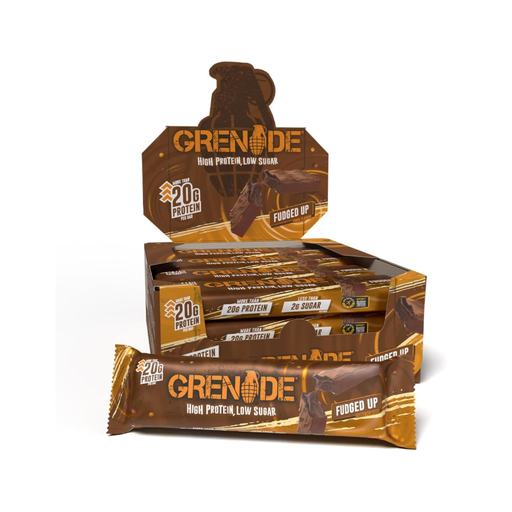
Why This Fits Their Persona: This bar is designed for those who take their training and nutrition seriously. It delivers a solid 20g of protein with minimal sugar, making it an ideal post-workout snack to support muscle recovery without derailing a strict diet plan. The Informed Sport accreditation provides peace of mind for competing athletes.
It sidesteps the "healthy confectionery" trap by offering an indulgent, multi-layered fudge flavour while keeping sugar to just 1.7g per bar. It also avoids the taste letdown with a satisfying texture that mimics a real treat.
Delivers 20g of high-quality protein from a milk protein blend. It is also Informed Sport certified, ensuring it is free from banned substances.
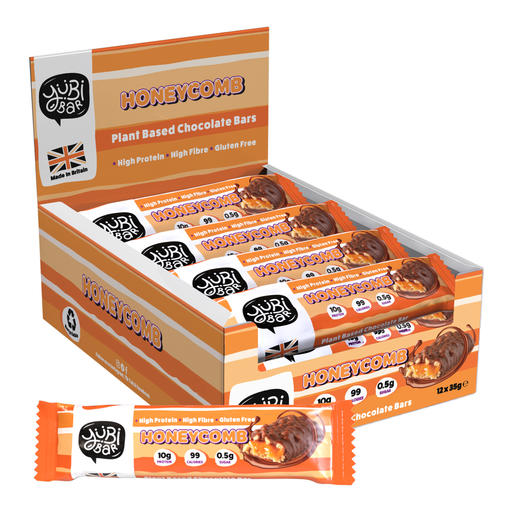
Why This Fits Their Persona: For those seeking a lighter, plant-based option, this bar is an excellent choice. It's perfect for a mid-afternoon pick-me-up at the office or a light snack that won't feel heavy. Being vegan, gluten-free and low-calorie, it caters to multiple dietary requirements without sacrificing taste.
This bar directly solves the protein source puzzle for vegans by using a blend of pea and soya protein. It also avoids the "healthy" trap by being genuinely low in calories (99 kcal) and sugar (0.3g), making it a truly macro-friendly choice.
Fully plant-based and gluten-free formulation. Provides a solid 10.5g of protein in a small, convenient 35g bar, making it a light yet satisfying snack.
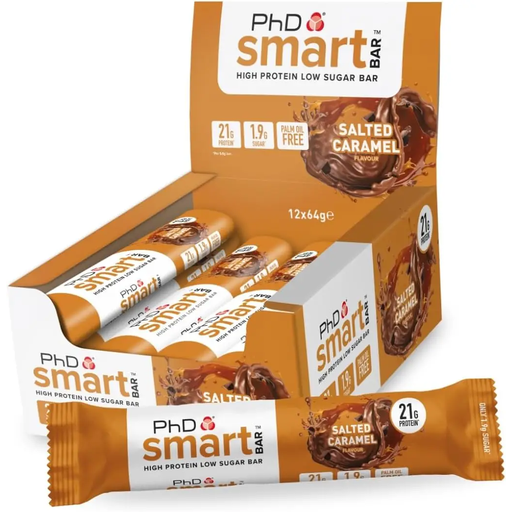
Why This Fits Their Persona: For those who prioritise taste and want a bar that feels like a genuine treat, this is a strong contender. It's designed to deliver a confectionery-style experience with its caramel layer and white chocolate coating, making it easier to stick to a healthier diet by satisfying sweet cravings effectively.
This bar directly counters the taste and texture letdown by focusing on an indulgent, multi-textured build. It also avoids being a "sugary" bar in disguise by packing 20g of protein with only 2.1g of sugar, offering a balanced nutritional profile.
Features a high protein content (20g) from a blend of milk, whey, collagen and soya. The formulation is also palm oil-free, a key consideration for many environmentally conscious UK consumers.
We have compiled a complete, real-time list of products that fully satisfy these strict selection criteria and UK safety regulations.
Protein bars are best viewed as a convenient food supplement, not a replacement for whole-food meals. Their healthiness depends entirely on their ingredients and your overall diet. A bar that is high in protein, low in sugar and contains quality ingredients can be a beneficial part of an active lifestyle. However, a bar loaded with sugar and unhealthy fats is little more than a glorified sweet. Always read the nutritional information.
The versatility of protein bars is one of their main attractions. They are particularly effective when consumed within 30-60 minutes after a workout to aid muscle repair. They also serve as an excellent snack between meals to curb hunger and prevent you from reaching for less healthy options. Finally, they are a practical choice when you're on the move and don't have time for a proper meal.
This is a common issue, often caused by two main ingredients: sugar alcohols (polyols) and high fibre content. Sugar alcohols like maltitol, xylitol and sorbitol are used to provide sweetness without sugar but are not fully digested by the body. For some people, this can lead to bloating, gas or a laxative effect. If you are sensitive, look for bars sweetened with other ingredients like stevia or sucralose, or simply consume bars with polyols in moderation.