
24/7 Customer Support

Free returns

Same-day & Next-day Delivery

Quality Guaranteed

Unlock Your Welcome Offers: FREE Delivery | Up to 80% OFF | Free 30-day JoyPlus trial
Download the APP
Protein bars can be useful for gym bags, desk drawers, commutes and busy afternoons. However, the front of the wrapper rarely tells the full story. A bar labelled “high protein” may also contain substantial sugar, polyols, fat or allergens, while a smaller bar may offer less protein than expected.
As the Joybuy Product Recommendation Officer, I focus on the details that help shoppers compare products objectively rather than relying on attractive flavour names or broad wellness language.
Protein content varies considerably between protein snack bars. A 30g nut bar may provide around 8g of protein, while a 60g sports nutrition bar may provide 20–21g. The larger bar may therefore suit post-workout use, but it can also contain more calories.
Always compare protein per serving, serving weight and energy per bar. Looking only at protein per 100g can make a small product appear more impressive than it feels in everyday use.
Many low sugar protein bars use polyols, such as maltitol, instead of conventional sugar. This can reduce the “sugars” figure on the nutrition panel, but total carbohydrate may remain relatively high. Some people may also experience digestive discomfort or a laxative effect after consuming large quantities of polyols.
Check the figures for carbohydrate, sugars, polyols and fibre, not just the marketing claim on the front.
Protein bars commonly contain milk, soya, peanuts, tree nuts, oats, wheat or eggs. “Plant-based” does not automatically mean free from soya, and “gluten-free oats” should not be confused with a product that is suitable for every allergy.
UK shoppers with allergies or intolerances should read the current packaging, precautionary allergen statement and ingredients list before purchase. Formulations can change.
For a straightforward high protein snack, compare the actual amount per bar. The products in this guide range from approximately 8g to 21g per serving.
Protein source also affects suitability:
A protein bar is a convenient food, not automatically a meal replacement. Choose based on the role it needs to perform.
For low sugar protein bars, assess the complete panel. For example, the Grenade Peanut Butter bar lists 1.7g of sugars and 15g of polyols per 60g bar, while the Trek Cocoa Oat bar lists 14g of sugars per 50g bar. Both may suit different routines, but they are not nutritionally interchangeable.
Shoppers seeking low-carb protein bars should pay particular attention to total carbohydrate rather than relying on the sugar figure alone.
Look for clearly declared allergens and check whether the bar matches your diet:
Pack size matters too. A 12-pack can be practical for regular gym or office use, whereas a three- or four-pack may be more suitable when you are comparing flavours. Check the price per bar and grammes of protein per bar to make a fair comparison.
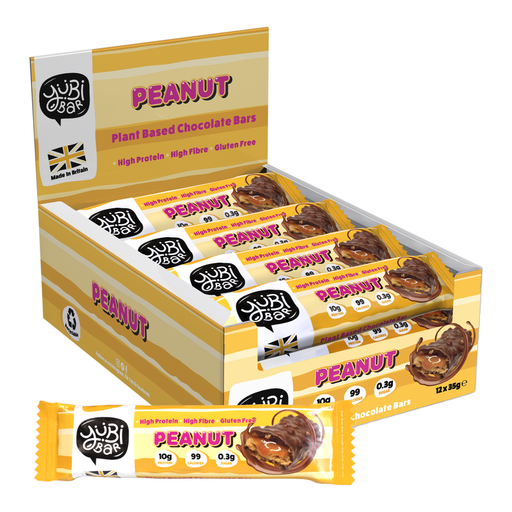
Why This Fits Their Persona: A 12-pack format offers a convenient way to keep compact protein snack bars available at work, at home or in a gym bag, with 10g of protein and 99 calories per 35g bar.
Its per-bar nutrition panel makes calorie and sugar comparison simple. It contains maltitol and xylitol, so quantity should be moderated if you are sensitive to polyols.
10g protein, 2.5g fibre and 0.5g sugar per bar. The product is described as plant-based and gluten-free. Check the label carefully because it contains soya and carries peanut, nut and other allergen warnings.

Why This Fits Their Persona: This larger confectionery-style bar suits shoppers who want a substantial chocolate protein bar with a layered texture for post-workout snacks or between-meal use.
The product provides a full per-bar panel: 21g protein, 245 calories and approximately 2g sugar. It is not vegan and contains milk and soya.
20–21g protein per bar, palm-oil-free formulation and a white chocolate blondie flavour with caramel and crisp pieces. It may contain traces of gluten and eggs.

Why This Fits Their Persona: The 12 x 60g format is practical for regular gym-goers, active professionals and shoppers who want a consistent post-exercise or between-meal option.
The label separates sugars from polyols: 1.7g sugars and 15g polyols per bar. That distinction helps low-sugar shoppers avoid mistaking reduced sugar for minimal carbohydrate.
20g protein, 5.6g fibre and 214 calories per 60g bar. It has a peanut-and-chocolate flavour, but contains milk, soya and peanuts.

Why This Fits Their Persona: A plant-based protein flapjack in a 16-pack suits households, hikers and commuters who prefer an oat-based texture and individually wrapped portions.
Its nutrition panel makes the higher carbohydrate and sugar content visible: 22g carbohydrate and 14g sugars per 50g bar. This helps shoppers avoid assuming every vegan bar is low sugar.
Vegan and made with gluten-free oats, providing 9g protein and 2g fibre per bar. It contains soya and may contain milk, nuts and peanuts.
We have compiled a complete, real-time list of products that fully satisfy these strict selection criteria and UK safety regulations.
Some products are specifically labelled as meal replacement bars, such as Slimfast Meal Support Bars. These contain added vitamins and minerals and provide around 202 calories and 16g protein per 60g serving. They should be used according to the packaging instructions and should not routinely replace a varied diet without considering your overall nutritional needs.
Look for a clearly stated vegan formulation and check the allergen panel. The Trek Cocoa Oat Protein Bar is described as vegan and uses plant-based protein. YuBi Bars are also described as plant-based, but they contain soya and carry several allergen warnings. Always confirm the current label before ordering.
Yes, a ready-to-eat bar can be a convenient post-workout snack when you need portable protein. Compare protein per serving, calories and your wider meal plan. A bar should complement your normal food intake rather than automatically replace a meal. If you are managing an allergy, medical condition or prescribed diet, seek appropriate professional advice before choosing supplements or fortified products.