Colleagues looking for protein
If protein matters more than having a fruit-only snack, compare the amount per serving as well as per 100g. A dried-fruit label alone does not tell you how much protein a portion provides.


When protein is the priority, compare fruit-and-nut bars with plain dried fruit rather than assuming fruit alone will meet that aim. Sainsbury's lists 6.2g protein per 45g nākd Cherry bar and 2.4g per 100g for its BEAR mango-and-passionfruit snack; check the same weight basis on current packs before choosing. For a shared office tin, keep ingredient and allergen information accessible, particularly for snacks containing nuts.
If protein matters more than having a fruit-only snack, compare the amount per serving as well as per 100g. A dried-fruit label alone does not tell you how much protein a portion provides.
Choose a format that lets colleagues see the ingredients and allergens before taking a snack. Individual packs can make that information easier to retain than an unlabelled loose mixture.
Plain dried fruit remains an option when flavour and fruit content matter more than protein. Check the exact product's nutrition panel rather than expecting its protein value to match a fruit-and-nut bar.
Decide whether the tin is meant to offer a protein-focused snack, a fruit snack, or both; then check the label and pack format for the people who will use it.
| Priority | What to check | Your needs |
|---|---|---|
| Protein per portion | Read protein per serving and per 100g on the exact pack. Sainsbury's lists 6.2g per 45g nākd Cherry bar and 2.4g per 100g for BEAR mango and passionfruit; the stated portions are not the same size. | I want to know what one snack contributes, not choose by a protein claim or the words “dried fruit” alone. |
| Ingredients and allergens | Check the full ingredients and any may-contain statement. Keep the original packaging or a readable ingredient record with snacks offered to colleagues. | Others may take food from the tin, so they need to be able to check it for themselves before eating. |
| Pack format | Check whether portions stay in their wrappers or will be decanted from a larger pack. If using a bulk mix, plan how its label will remain beside the tin. | For a communal tin, I would rather make portions and product information easy to identify than leave an unlabelled mix for people to guess about. |
The amount can differ substantially between formats. Sainsbury's lists 2.4g protein per 100g for BEAR mango and passion fruit, while its nākd Cherry fruit-and-nut bar lists 6.2g per 45g bar.
Compare the nutrition panels on the same per-100g basis, then check how much protein the portion you intend to put in the tin provides.
Sainsbury's lists peanuts in the nākd Cherry bar and warns that it may contain soya and nuts. Once snacks are removed from their packaging, colleagues may lose access to that information.
Keep wrappers or the original pack available, and check workplace arrangements before putting a nut-containing mix into a communal tin.
A protein figure answers one question about a snack, not questions about its other ingredients or nutrition values.
Compare the serving size, ingredients and nutrition panel alongside protein, especially when choosing between a fruit-only product and a bar.
These examples help distinguish fruit-only snacks, fruit-and-nut products and bars; a brand name alone does not establish the protein content of a particular pack.
The Cherry Fruit & Nut Protein Bar is a fruit-and-peanut bar rather than plain dried fruit.
Whitworths describes a range spanning dried fruit, nuts and seeds.
Tesco lists dried fruit and fruit-and-nut bars in separate grocery categories.
Sainsbury's provides product listings for both a fruit-only snack and a fruit-and-nut protein bar.
M&S lists dried fruit and fruit-and-nut medleys in its fruit-snack range.
These options cover protein-labelled nut bars, a Daily Nuts pack and a tin of pure nuts. The pure-nut tin is not dried fruit; consider it only if nuts suit the office and you can keep its ingredient information with any shared portions.
 No image available
A peanut-and-chocolate bar to consider when the office tin calls for a protein-labelled snack rather than plain dried fruit. The pack contains four 40g bars; check protein per bar and the full allergen statement before sharing.
 No image available
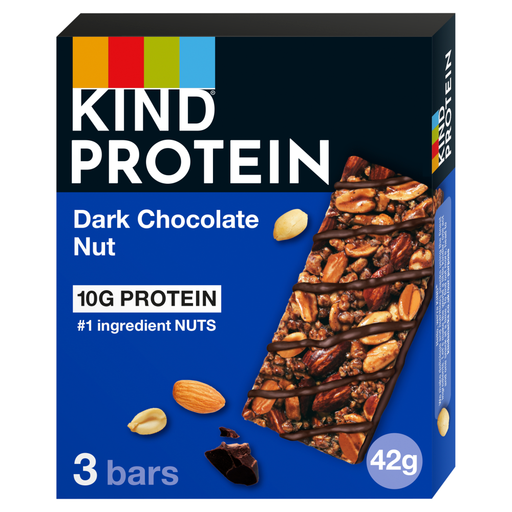
This dark-chocolate-and-nut bar is another protein-labelled format for the tin. The pack contains three 42g bars; compare protein per bar with other options and retain the ingredient and allergen information for colleagues.
 No image available
This nut bar offers a salted-caramel variant of the protein-labelled bar format. The pack contains four 40g bars; compare the current nutrition panel and check its ingredients before putting it in a shared tin.
 No image available
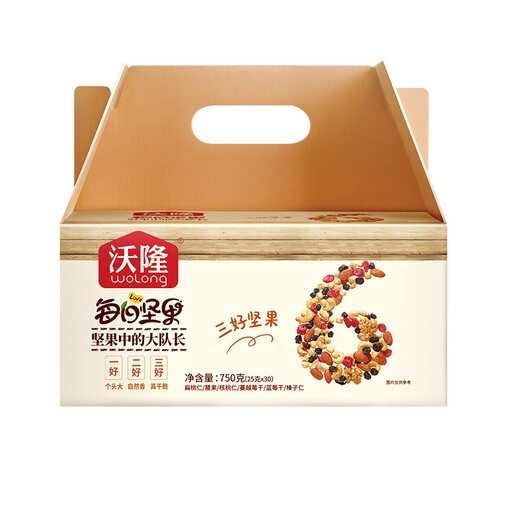
Consider this Daily Nuts product if a nut-based snack suits the people using the tin. The stated pack size is 750g; check its portion format, protein per serving and full ingredient and allergen statement before sharing.
 No image available
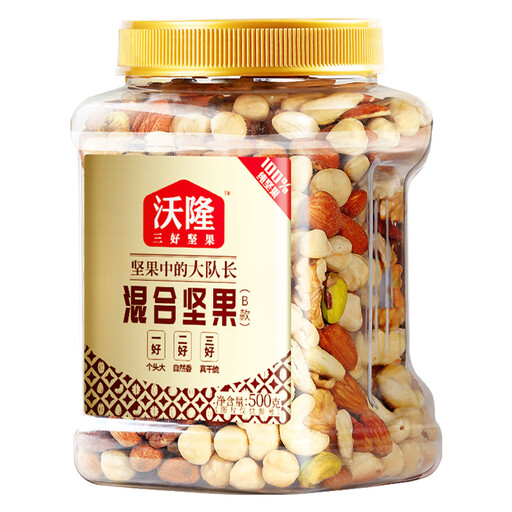
This is a pure-nut option, not a dried-fruit snack. Its 500g tin is a bulk format: check protein per intended portion, and keep the ingredient and allergen information visible if you serve it to colleagues.
Do not assume it is: Sainsbury's lists 2.4g protein per 100g for its BEAR mango-and-passionfruit snack, compared with 6.2g per 45g bar for its nākd Cherry fruit-and-nut product. Those figures use different serving sizes, so compare the current packs per 100g and per portion before deciding.
They can be considered only if colleagues can still identify the ingredients and allergens and the arrangement suits the workplace. Sainsbury's lists peanuts in the nākd Cherry bar and a may-contain statement for soya and nuts. Keep wrappers or the original packaging accessible rather than leaving an unlabelled mixture in the tin.
Check the ingredient and allergen statement on the exact pack when choosing for a shared tin. The Food Standards Agency notes that sulphur dioxide and/or sulphites are often used in dried fruit such as raisins, dried apricots and prunes; their presence should not be guessed from the type of fruit alone.